Any
extracts used in the following article are for non-commercial research
and educational purposes only and may be subject to copyright from their
respective owners.
Part 1 introduced
the Cannabaceae family, discussed the huge global market for CBD, and
noted that the conflicted FDA is out of step with the beneficial
indications reported in thousands of research papers and personal
anecdotes.
A broad-spectrum therapeutic, it discussed
CBD’s pharmacokinetics and pain-relief mechanisms, as well as its
antiviral and anti-inflammatory properties, anticancer mechanisms, and
its important role in treating demyelinating diseases.
It also
covered COX-2 inhibition, anti-ageing properties, how CBD can target
osteoarthritis pain without the side effects of NSAIDs or
corticosteroids, its role in preventing and treating kidney disease and
cardiovascular disease, wound healing, and the entourage effect.
Part
2 focuses on practical considerations. We know from the extensive
research since 1963—over 7000 papers in the last ten years alone—that
the risk-benefit ratio strongly supports CBD as a therapeutic for
preventing and treating many diseases. But what is the best way to do
this? In other words, how can its bioavailability be improved in the
most cost-effective way?
2.0 Discussion
Emphasis is mine in bold, and some passages are lightly reformatted for legibility.
2.1 Neuroplasticity
But first, a shout-out to Greg Eldefonso for his comment from Part 1:
“Spatial memory is increased with CBG by increasing Neuroplasticity.”
Neuroplasticity
is the brain’s capacity to continue growing and evolving in response to
life experiences. Plasticity is the capacity to be shaped, molded, or
altered; neuroplasticity, then, is the ability for the brain to adapt or
change over time, by creating new neurons and building new networks.
Historically, scientists believed that the brain stopped growing after childhood.
But current research shows that the brain is able to continue growing
and changing throughout the lifespan, refining its architecture or
shifting functions to different regions of the brain.
The
importance of neuroplasticity can’t be overstated: It means that it is
possible to change dysfunctional patterns of thinking and behaving and
to develop new mindsets, new memories, new skills, and new abilities
Therapeutics
that promote neuroplasticity—including some psychedelics—are also
beneficial for treating and preventing strokes, major depression, PTSD,
addiction, and Alzheimer's disease.
I’ve reviewed some of the literature and highlight a representative paper.
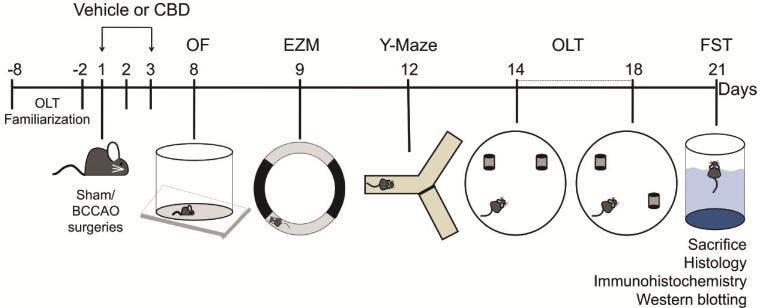
In 2016, Mori et al.
used a BCCAO mouse model to compare the effects of CBD with the
untreated controls. They found that CBD helped to alleviate the damage
and promoted recovery.
Bilateral common carotid artery occlusion (BCCAO, or 2VO) in mice is a widely used surgical model for studying cerebral hypoperfusion, vascular cognitive impairment (VCID), and global cerebral ischemia.
Cannabidiol reduces neuroinflammation and promotes neuroplasticity and functional recovery after brain ischemia
Abstract
This
study investigated the effects of cannabidiol (CBD), a
non-psychotomimetic phytochemical present in Cannabis sativa, on the
cognitive and emotional impairments induced by bilateral common carotid
artery occlusion (BCCAO) in mice.
Using a multi-tiered behavioral
testing battery during 21days, we found that BCCAO mice exhibited
long-lasting functional deficits reflected by increase in anxiety-like
behavior (day 9), memory impairments (days 12-18) and despair-like
behavior (day 21).
Short-term CBD 10mg/kg treatment prevented the
cognitive and emotional impairments, attenuated hippocampal
neurodegeneration and white matter (WM) injury, and reduced glial
response that were induced by BCCAO.
In addition, ischemic mice
treated with CBD exhibited an increase in the hippocampal brain derived
neurotrophic factor (BDNF) protein levels. CBD also stimulated
neurogenesis and promoted dendritic restructuring in the hippocampus of
BCCAO animals.
Collectively, the present results demonstrate that
short-term CBD treatment results in global functional recovery in
ischemic mice and impacts multiple and distinct targets involved in the
pathophysiology of brain ischemic injury.
…
Brain ischemia can result from stroke or cardiac arrest and is one of
the leading causes of death and disability worldwide, presenting a
significant global burden to patients, their relatives, and entire
economies (Flynn et al. , 2008, Kim and Johnston, 2011).
Patients
who survive an ischemic brain insult are particularly vulnerable to the
development of cognitive impairment, depression, and anxiety disorders
(Geri et al. , 2014, Moulaert et al. , 2010). Different experimental
models have been used to induce neuronal damage and behavioral
impairments that recapitulate conditions of brain ischemia (Hall and
Traystman, 2009).
These models have allowed investigations of the
pathophysiology of brain ischemia and the identification of potential
targets for neuroprotective compounds.
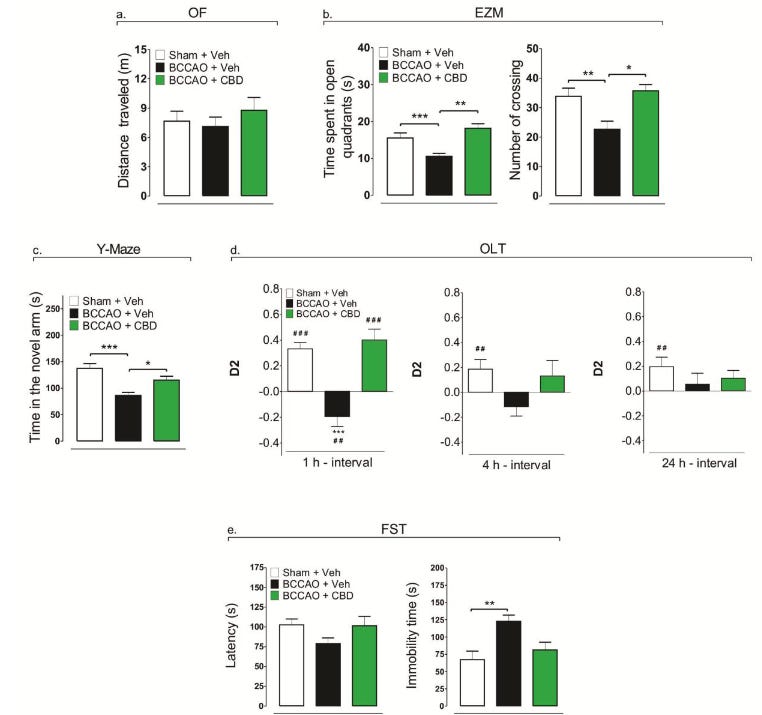
Figure 2. Effects of 10 mg/kg CBD on motor, cognitive, and emotional behavior in BCCAO mice.
(a) Motor activity was evaluated in the open field (OF) by measuring
the distance traveled. (b) Anxiety-like behavior was evaluated in the
elevated zero maze (EZM) by measuring the time spent in the open
quadrants and number of crossings between quadrants. (c) Cognitive
performance was evaluated in the Y-maze by measuring the time spent in
the novel arm. (d) Hippocampus-dependent memory was analyzed in the
object location test (OLT) using the D2 exploration index (D2
=[exploration time novel location – exploration time familiar location] /
[exploration time novel location + exploration time familiar location])
at 1, 4, and 24 h intervals. (e) The latency and immobility time were
recorded in the forced swim test (FST). The bars represent the mean ±
SEM in the different groups (n = 12-13/group). *p < 0.05, **p
<0.01, ***p < 0.001 (one-way ANOVA followed by Bonferroni’s test);
##p < 0.01, ###p <0.001, compared with zero (i.e., chance level
or no memory in the OLT; one-sample t-test).
Interpretation:
The white bar represents non-BCCAO + vehicle control.
The black bar represents BCCAO-treated mice, without the benefits of CBD.
The green bar shows the effects of CBD.
a: Motor activity. Higher is better. CBD: Beneficial.
b: Anxiety-like behaviour. Higher time spent in an open quadrant, with more crossings, is better. CBD: Beneficial.
c: Cognitive performance. Higher is better. CBD: Beneficial.
d: A memory test. Higher is better. CBD: Beneficial.
e: (L) Latency time to immobility. Higher is better. CBD: Statistically insignificant difference.
e: (R) Immobility time. Lower is better. CBD: Beneficial.
5. Conclusion
The
success of a future neuroprotective agent in brain ischemia may depend
on targeting multiple mechanisms to elicit global functional recovery.
The present study found that short-term CBD treatment promoted sustained
neuroprotective effects in mice that were subjected to the BCCAO model
of brain ischemia.
The benefits of CBD may be related to the
prevention of hippocampal neuronal loss, WM protection, a decrease in
neuroinflammation, and an increase in hippocampal plasticity, reflected
by increases in neurogenesis, MAP-2 immunoreactivity, and BDNF protein
levels.
The fact that short-term CBD treatment has protective
effects that are apparent 21 days after BCCAO implies a promising
therapeutic action of this compound against the long-term consequences
of BCCAO.
If you haven’t read Part 1 yet, it walks you through many other papers like this to present the biochemical background and therapeutic properties of CBD.
2.2 Decarbing
In
my ignorance, during the first year of taking hemp teas, I was probably
ingesting very little CBD in a bioavailable form, as I never decarbed
it.
What is decarboxylation?
Cannabinoids
produced by the plant appear at first in their acid forms. Acidic
cannabinoids, or “raw” cannabinoids, exist as cannabidiolic acid (CBDA)
for CBD and tetrahydrocannabinolic acid (THCA) for THC.
Decarbing simply removes a carboxyl group (-COOH) and releases it as carbon dioxide.
Note:
If you buy CBD as commercial drops or capsules, then it has already
been done for you. Similarly, if you are going to smoke it, the heat
generated by combustion or vaporisation automatically and instantly
decarbs it before inhalation.
You don’t have to decarb your hemp to get beneficial effects due to the entourage effect, and CBDA is, itself, a biologically active therapeutic:
“…
the acidic precursor of CBD (cannabidiolic acid, CBDA) is able to
inhibit the migration of breast cancer cells and to downregulate the
proto-oncogene c-fos and the cyclooxygenase-2 (COX-2) highlights the
possibility that CBDA might act on a common pathway of inflammation and
cancer mechanisms, which might be responsible for its anticancer
activity.”1
Cannabigerolic acid (CBGA) is the foundational precursor of all other major cannabinoids in hemp.
“According
to the reviewed data, acidic cannabinoids exhibit unique biological
activities that distinguish them from their neutral counterparts. These
include neuroprotective, anti-inflammatory, anticonvulsant, and
anti-proliferative actions, which are mediated by molecular targets such
as serotonin 5-HT1A receptors, cyclooxygenase-2 (COX-2), transient
receptor potential (TRP) channels, and peroxisome proliferator-activated
receptor-γ (PPARγ).
Acidic cannabinoids are
more appealing for therapeutic usage in children and the elderly,
considering that they are not intoxicating like THC; however, this
distinction applies primarily to non‑heated consumption.
While
most research has focused on neutral cannabinoids such as THC and CBD,
increasing attention is being given to their non-psychoactive acidic
precursors—tetrahydrocannabinolic acid (THCA), cannabidiolic acid
(CBDA), and cannabigerolic acid (CBGA).
These
compounds, synthesized from CBGA via THCA synthase and CBDA synthase,
display unique pharmacological actions, including cyclooxygenase-2
(COX-2) inhibition, peroxisome proliferator-activated receptor gamma
(PPARγ) activation, transient receptor potential (TRP) channel
modulation, and serotonin 5-HT1A receptor activity (Li et al. 2024; Russo 2011).
Preclinical
studies suggest that CBDA and THCA possess anti-inflammatory,
anticonvulsant, neuroprotective, anti-nausea, and anti-cancer properties
without the intoxicating effects of THC, making them promising
candidates for long-term therapy in both pediatric and geriatric
populations.”2
How to decarb
Lower
temperatures can lead to baking times of many hours, whereas higher
temperatures should be avoided because the active compounds degrade into
cannabinol (CBN), which lacks potency, and you will also lose fragile
terpenes through evaporation, thereby compromising the entourage effect.
The optimum temperature is a tradeoff between recovery rates and baking time.
The number to remember for both CBDA and THCA is 110°C / 230°F, with an upper boundary of 120°C / 250°F.
At
the lower bound, most of your THCA should be converted to THC in about
30-45 minutes. CBDA needs longer, 45-90 minutes, and this has been
demonstrated experimentally.
In 2016, Wang et al. used advanced analytical techniques to study decarb rates for THCA, CBDA, and CBGA at different temperatures:
Decarboxylation
Study of Acidic Cannabinoids: A Novel Approach Using
Ultra-High-Performance Supercritical Fluid Chromatography/Photodiode
Array-Mass Spectrometry
Abstract
Introduction: Decarboxylation is an important step for efficient production of the major active components in cannabis, for example, Δ9-tetrahydrocannabinol (Δ9-THC),
cannabidiol (CBD), and cannabigerol (CBG). These cannabinoids do not
occur in significant concentrations in cannabis but can be formed by
decarboxylation of their corresponding acids, the predominant
cannabinoids in the plant. Study of the kinetics of decarboxylation is
of importance for phytocannabinoid isolation and dosage formulation for
medical use. Efficient analytical methods are essential for simultaneous
detection of both neutral and acidic cannabinoids.
Methods:C. sativa
extracts were used for the studies. Decarboxylation conditions were
examined at 80°C, 95°C, 110°C, 130°C, and 145°C for different times up
to 60 min in a vacuum oven. An ultra-high performance supercritical
fluid chromatography/photodiode array-mass spectrometry (UHPSFC/PDA-MS)
method was used for the analysis of acidic and neutral cannabinoids
before and after decarboxylation.
Results:
Decarboxylation at different temperatures displayed an exponential
relationship between concentration and time indicating a first-order or pseudo-first-order reaction. The rate constants for Δ9-tetrahydrocannabinolic acid-A (THCA-A) were twice those of the cannabidiolic acid (CBDA) and cannabigerolic acid (CBGA).
Decarboxylation
of THCA-A was forthright with no side reactions or by-products.
Decarboxylation of CBDA and CBGA was not as straightforward due to the
unexplained loss of reactants or products.
Δ9-Tetrahydrocannabinolic acid A
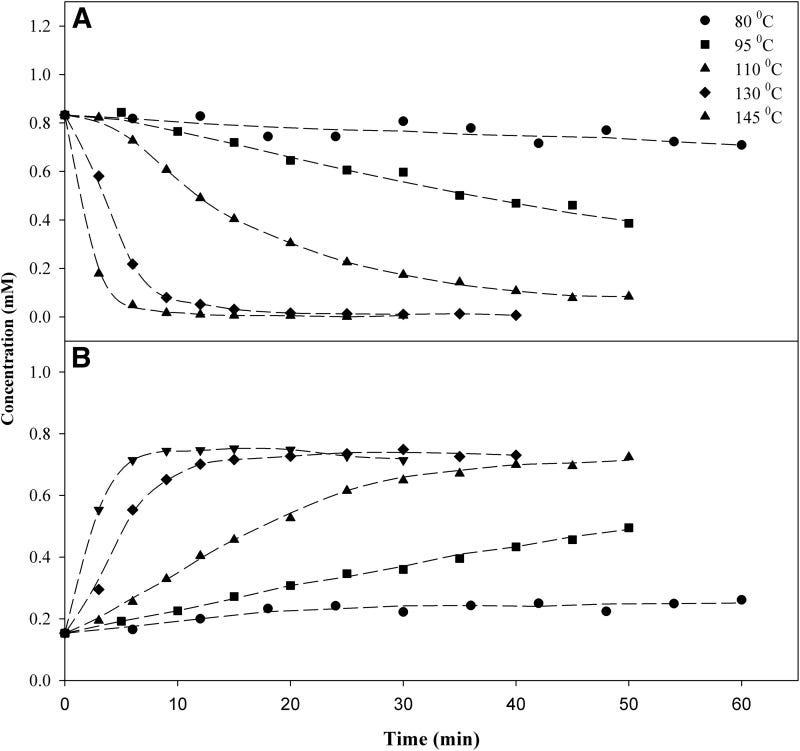
Figure 3 shows the results of the decarboxylation reactions for THCA-A→Δ9-THC.
At temperatures lower than 100°C, the reaction did not reach completion
within 60 min. At higher temperatures, the concentration of THCA-A
approached zero in 30, 9, and 6 min at 110°C, 130°C, and 145°C,
respectively.
FIG. 3
Concentration (mM) of (A) THCA-A and (B) Δ9-THC as a function of time and temperature.
110° is the sweet spot for THC.
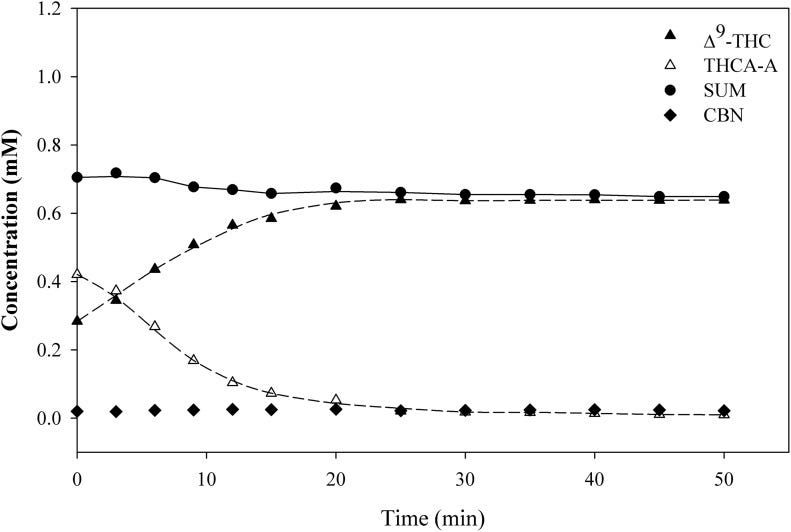
CBN remains at baseline, and after about 30 minutes, conversion from THCA to THC is almost complete:
FIG. 4.
Experimental results for THCA-A, Δ9-THC and CBN at 110°C.
You
will recover 7% less CBD from your hemp at 130°C vs 110°C. Recovery
rates from pure CBDA are higher than from CBDA in an extract.
THC recovery is relatively efficient at 110°C:
Cannabidiolic acid
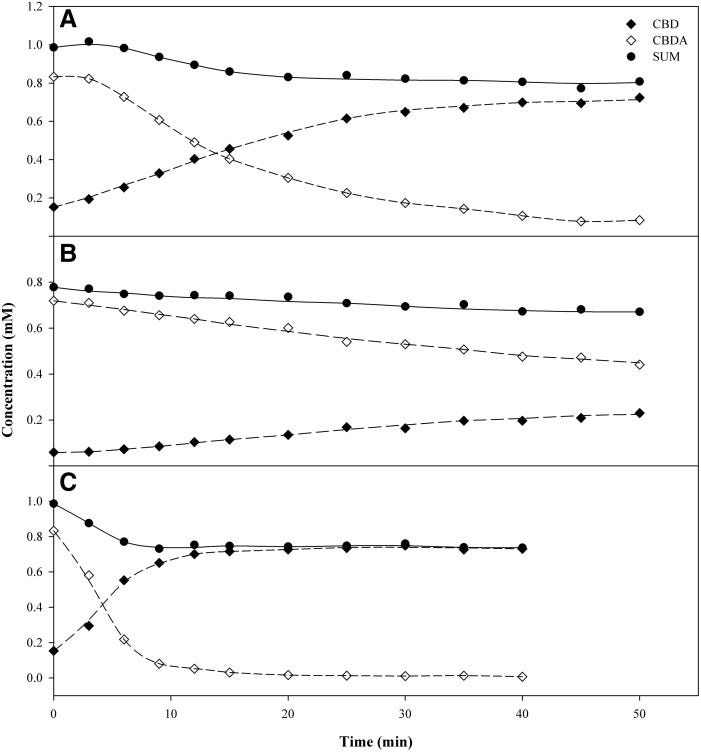
The experimental results for the decarboxylation of CBDA are shown in Figures 5 and 6.
In this case, the mass balance is not as clear as the THCA-A data. In
both 110°C and 130°C, the sum of the molar concentration of CBDA and CBD
diminished as the time and temperature of the experiments increase.
This indicates more complex chemistry than the stoichiometric conversion
of CBDA→CBD. It might also be an indication of compound evaporation
under vacuum condition or unidentified products produced at the higher
temperature.
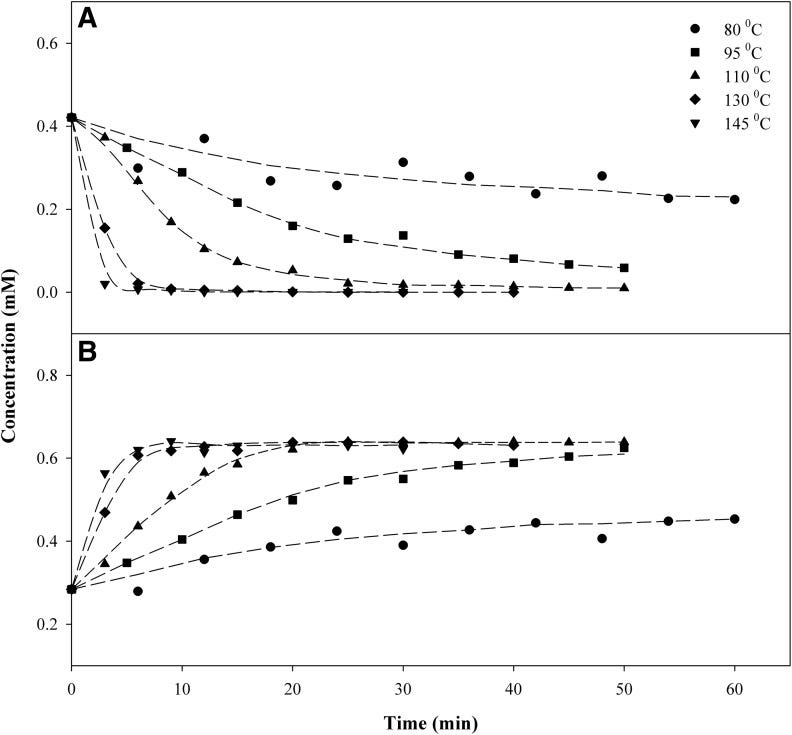
CBDA decarboxylation is very slow at 80 - 90 °C, but at 110 °C most of the conversion is complete by the 50-minute mark:
FIG. 5.
Concentration (mM) of (A) CBDA and (B) CBD as a function of time and temperature.
FIG. 6.
Experimental results for the decarboxylation of (A) CBDA in extracts at 110°C; (B) pure CBDA reference standard at 110°C; (C) CBDA in extracts at 130°C.
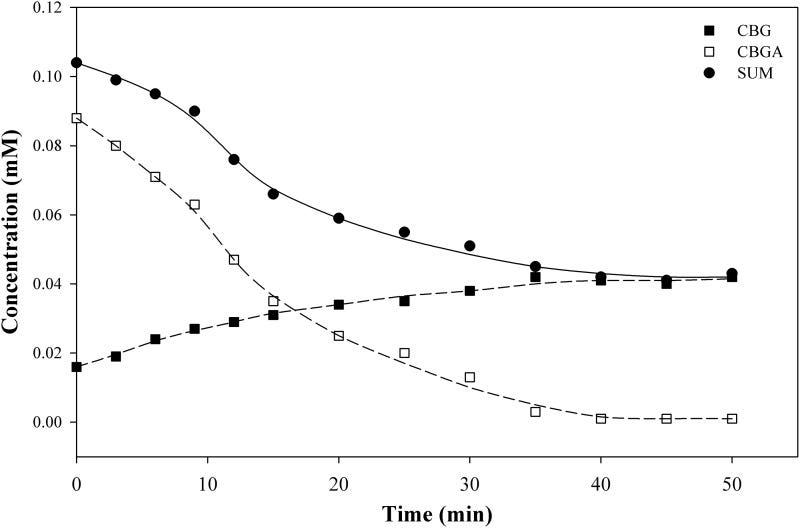
Cannabigerolic acid
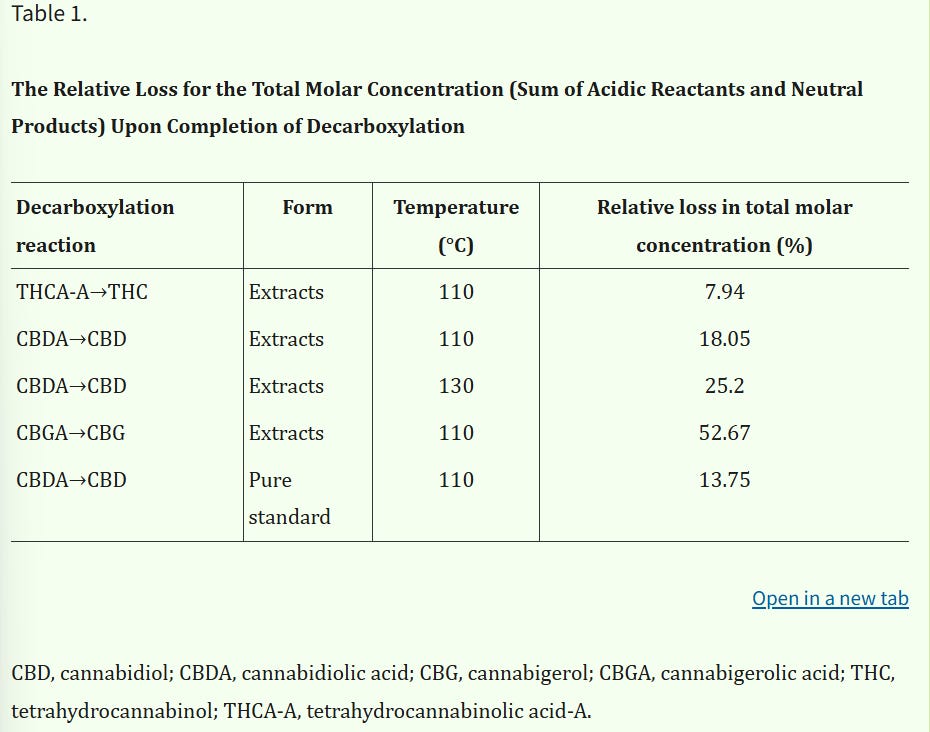
Similar results were obtained for the decarboxylation of CBGA, as shown in Figure 7 and Table 1.
In this case, the results are difficult to interpret because of the low
concentrations (<0.1 mM) compared to THCA-A and CBD (<1 mM).
Despite the low concentrations, the results are very similar to those of
CBDA (Figs. 5 and 6).
FIG. 7.
Experimental results for CBG and CBGA at 110°C.
Conclusions
…
The rate constants for the decarboxylation of THCA-A were higher than
those of the other two acids, CBDA and CBGA. The decarboxylation
reaction for THCA-A was essentially stoichiometric with no side
reactions. In particular, no CBN (a common oxidation by-product) was
observed under the experimental conditions.
The decarboxylation
reactions for CBDA and CBGA were more complex with undetermined side
reactions accounting for a loss of 18% (CBDA) to 53% (CBGA) for the
extracts. Further study is necessary and will be conducted to provide
better understanding of these two acids.
I
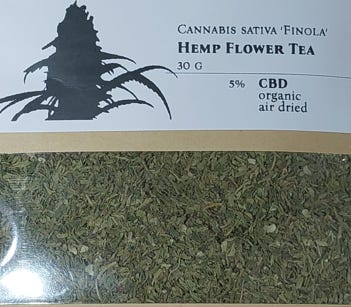
purchased 3 x 30g sachets of a Latvian variety with an average of 5%
CBD, “Finola”. The supplier marketed these as Finola “tops”. As the
name implies, this is dried vegetative material hand-picked from the top
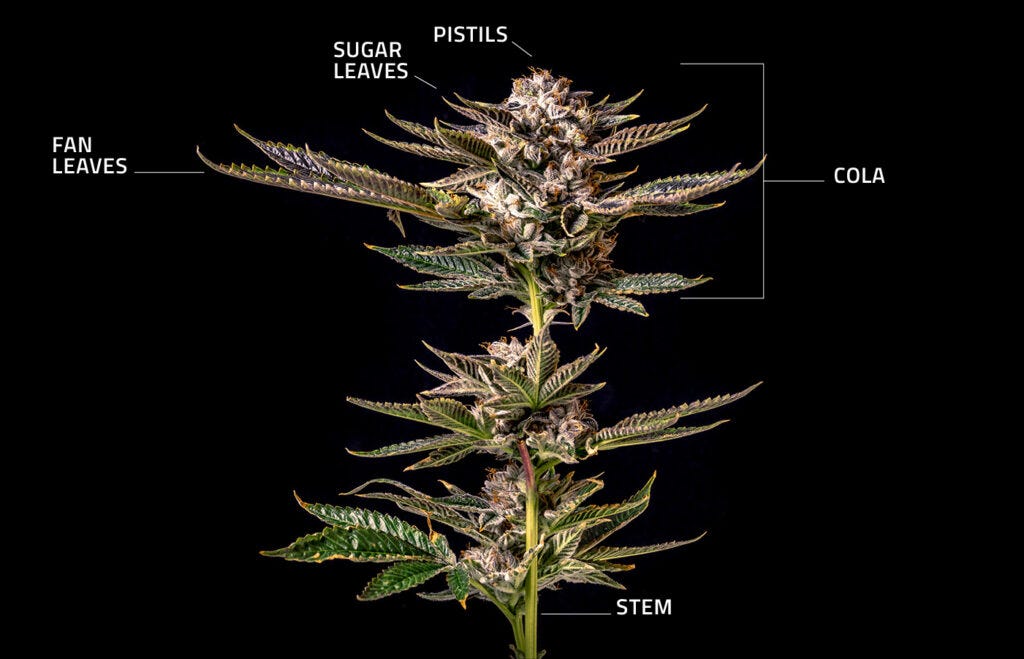
of the plant: the “main cola” or “terminal bud”. Tops should include
less stem material in the dried product than other grades.
Inflorescences (Flowers/Buds). These are the richest source, and in this variety, CBD content typically ranges from 3-8%.
Sugar leaves. Small, resin-coated leaves surrounding the flowers, a very rich source.
Fan leaves. Used for photosynthesis, these do not contain notable amounts of cannabinoids.
Stalks and stems. These contain minimal amounts of cannabinoids.
Seeds.
Again, these contain minimal amounts of CBD. As Finola is mainly
grown for seeds and hempseed oil, this is exactly what the industry
needs. Hempseed oil is mainly used in cosmetics, as a dietary
supplement, and for eco-friendly paints, varnishes, and biofuels.
Your online supplier may stock high-CBD varieties, but the price for these often rises disproportionally. For example, Cherry Wine (up to 20%-25% CBD), Solomatic CBD (up to 21% CBD), and BaOX (15% CBD, or more).
A
popular UK online supplier of CBD flower buds stocks many varieties in
the 15-20% CBD range, but you will pay £4.99/g for these, unless buying
in quantity.
I recommend calculating the cost per mg of CBD.
Worked examples
Rochanna, £4.99/g for 18% bud:
1g = 1000mg = 1000 x 0.18 (18%) = 180mg of CBD per gram.
1g costs £4.99 = 499/180 = 2.78p per mg of CBD.
In contrast, most of the cheaper, unnamed varieties typically yield 1-3% CBD.
My Finola tops cost £6.99 for 30g = £0.23/g for 5% bud.
1g = 1000 x 0.05 = 50mg of CBD per gram.
1g costs £0.23 = 23 / 50 = 0.46p per mg of CBD.
Finola tops are a quarter of Rochana's strength but 6 times less expensive.
I
also compared capsules to oil-based CBD drops. These lack the
entourage effect from taking a full-spectrum product, but drops can be
quite competitive.
The price for commercially refined CBD,
however, is net of recovery losses. In other words, you need to add
20-30% to the cost per mg of hemp-sourced CBD to allow for the “angel’s
share”3 during the decarb process.
Capsules:
£12.99 for 30 x 10mg capsules.
Total CBD = 30 x 10 = 300mg
1299 / 300 = 4.33p per mg of CBD.
Oil:
£4.99 for 10ml of CBD 2.8% oil.
Total CBD = 275mg (from the product spec)
499 / 275 = 1.82p per mg of CBD.
Other forms are available to suit your needs: as UK-legal hash, gummies, vapes or extracts.
All must legally contain less than 0.2-0.3% THC, depending on your region.
Other varieties are available
Preheat.
I recommend using an infrared thermometer to take regular check
readings. My fan oven cycles between 100-120°C (212 to 248°F), at the
lower end of the dial. It’s not lab equipment and is better suited to
cooking the family roast.
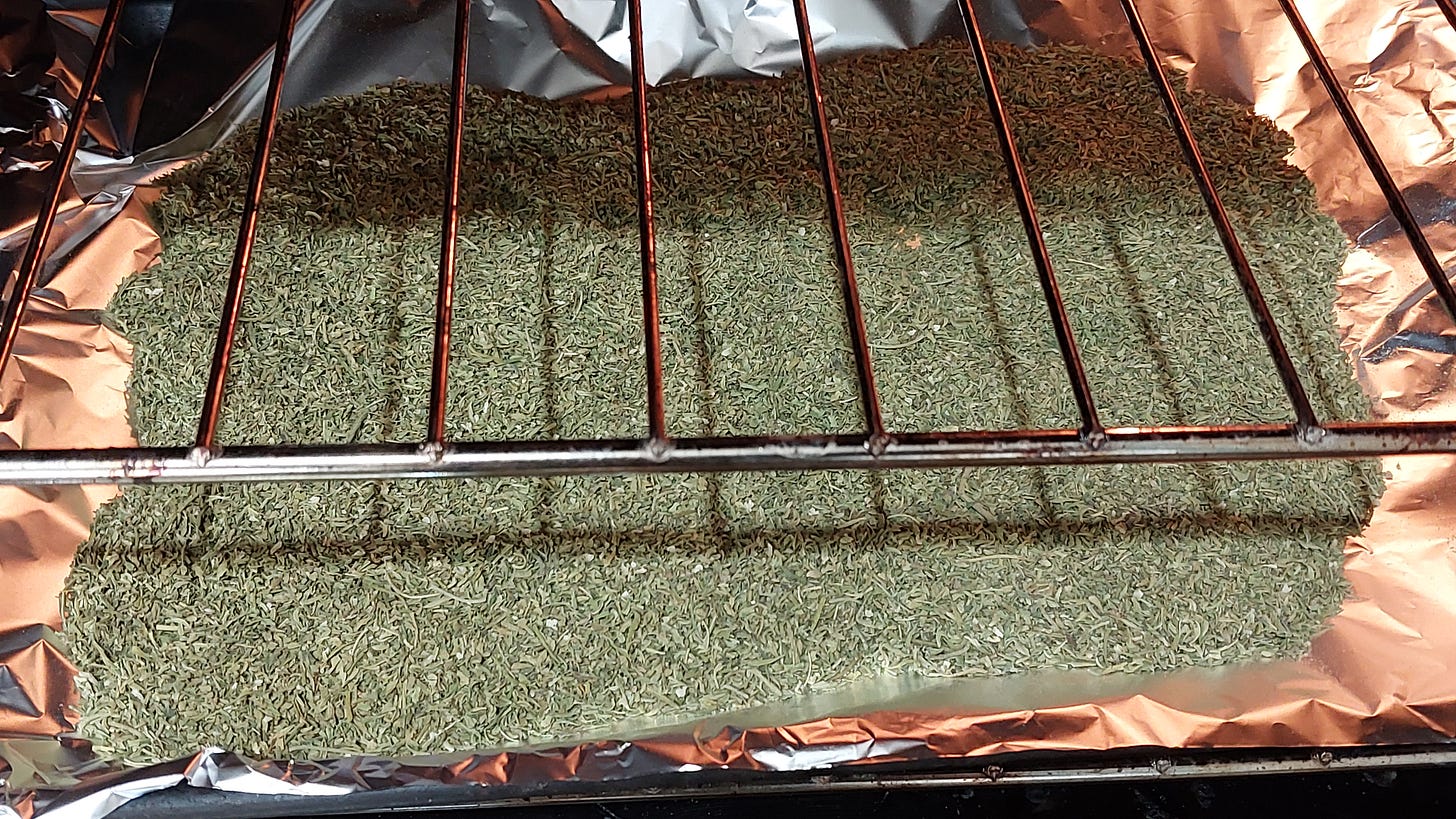
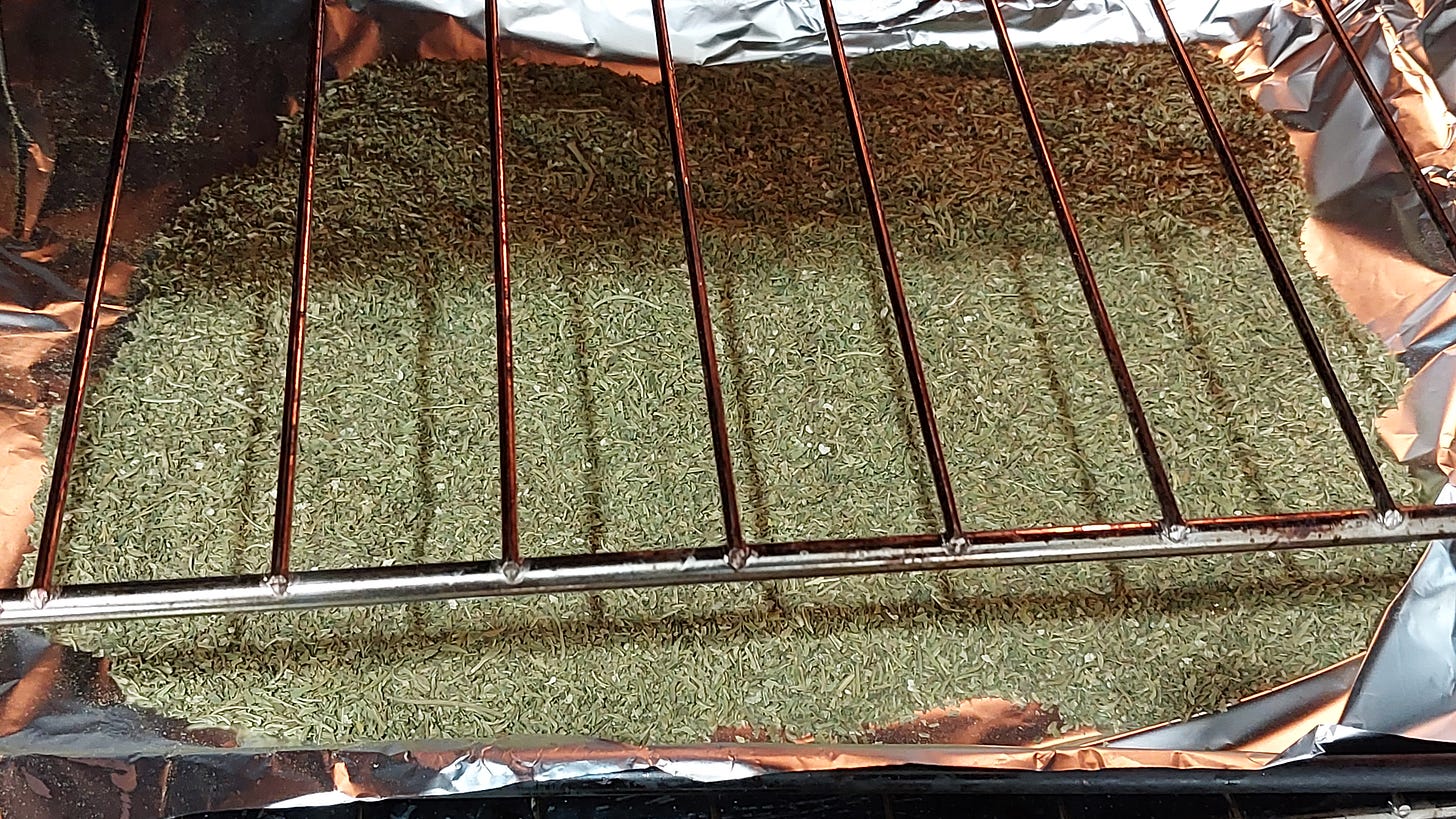
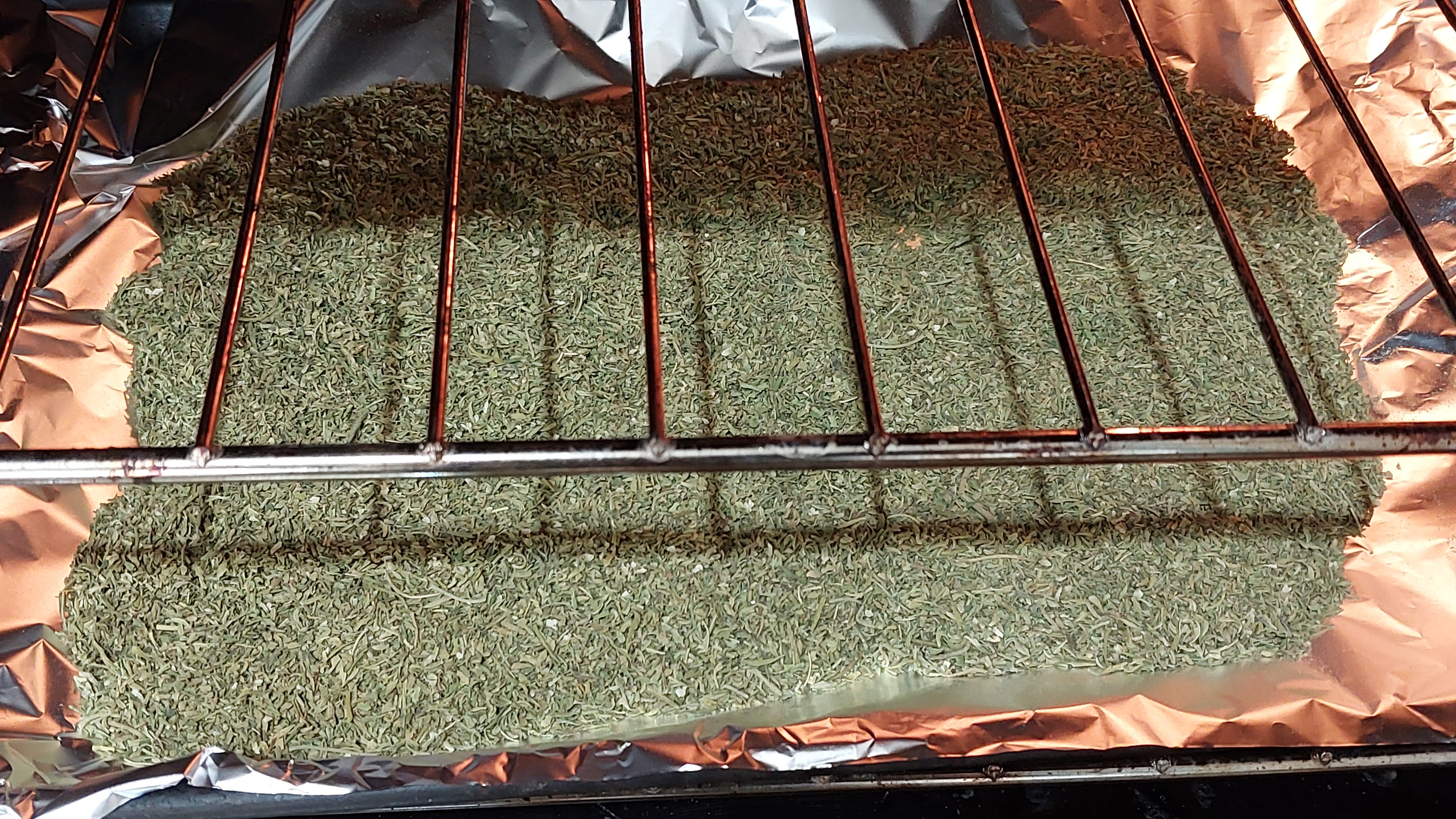
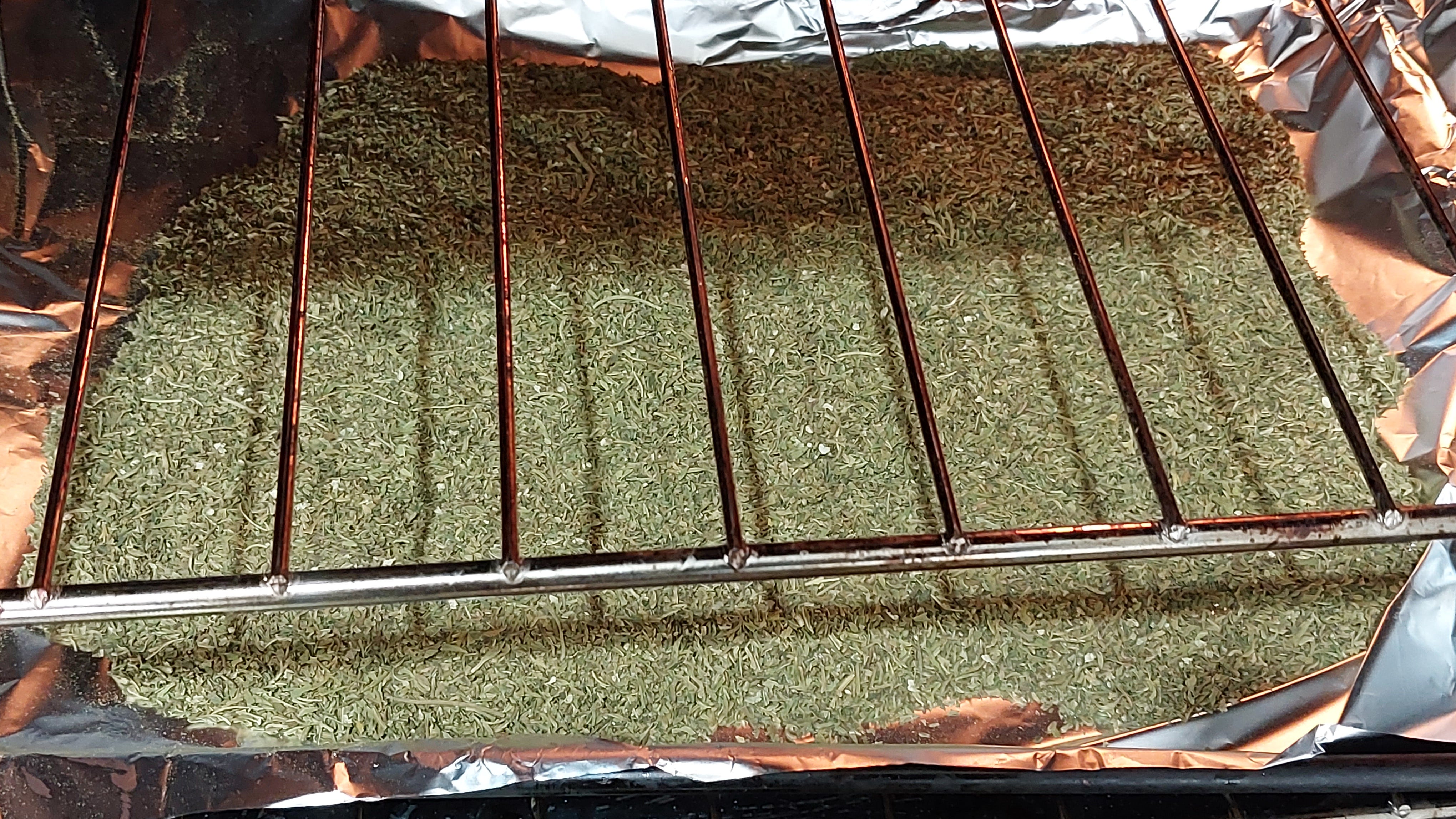
Line an oven tray with foil.
Spread
your tops out evenly. I recommend using the middle-lower shelves,
especially if a radiant heating element is at the top of the oven.
Leave
for 50-90 minutes (for CBDA). Try to stay closer to the 60-minute mark
unless it's running cooler than 110°C to minimise terpene loss. You
can mix the contents during this time to even out the process.
Once decarboxylation is complete, your hemp should turn a golden hue. Any darker than this, though, and you may have overcooked!
Let it cool for a few minutes before further handling. You can use your IR therm for a final check.
Note the subtle colour change:
I
covered mine with foil to limit evaporative losses, but this makes it
harder to get accurate temperature readings and, if it’s a fan oven, it
can start to take off unless it’s well wrapped.
BTW, it does make your kitchen smell funky.
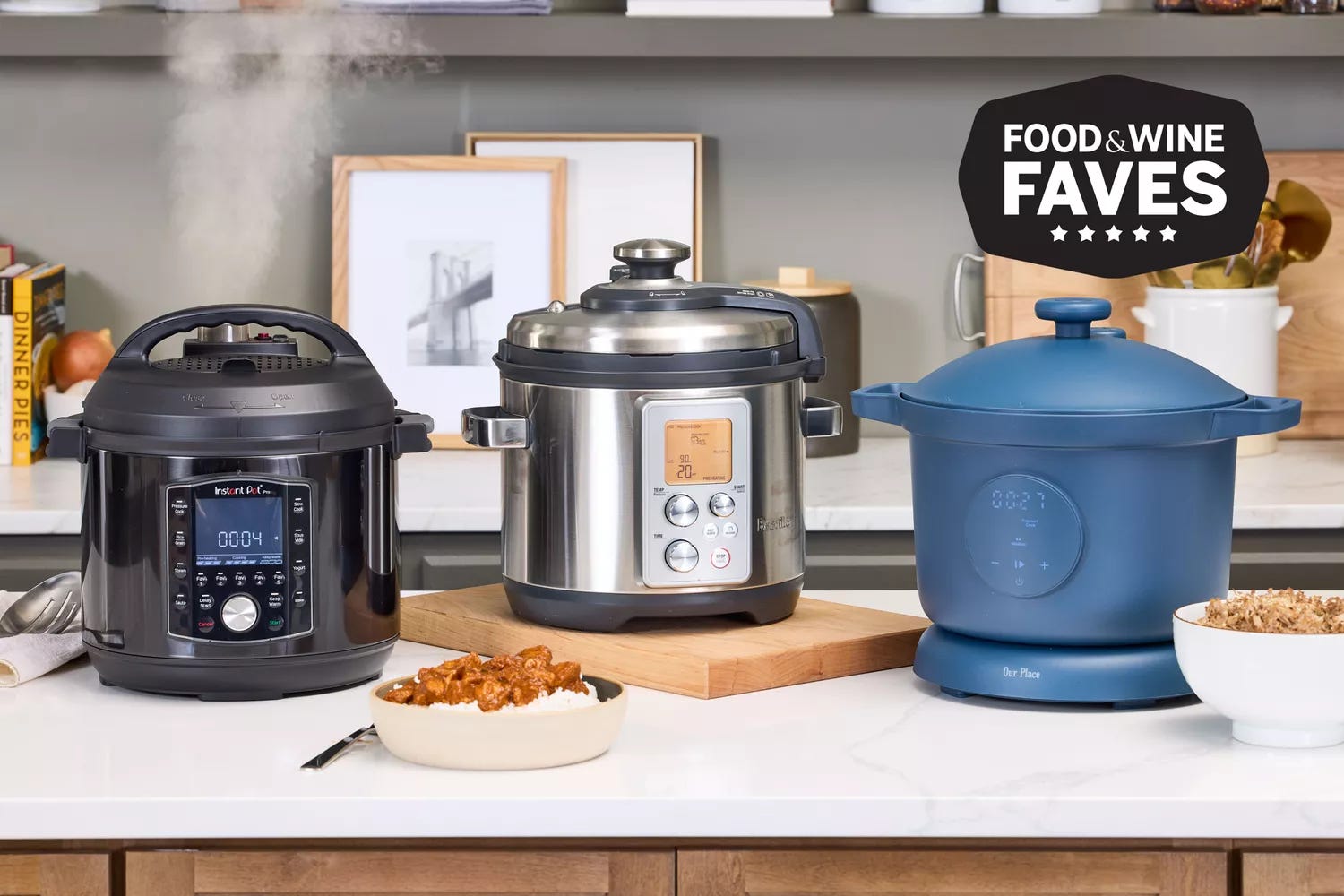
Direct oil infusion: The pressure cooker technique
Another method, which I haven’t tried yet, uses a pressure cooker. Please comment below if you use this for your decarbing.
The temperature at which most domestic pressure cookers operate is ideal for our needs: an accurately maintained 110°C.
A drawback is that these generate lots of steam, and water is an enemy of stored CBD, so we need a different workflow.
From reading the forums, it’s ideal for creating CBD-infused butter “cannabutter”.
Timings remain the same: 45-60 minutes at 110°C / 230°F
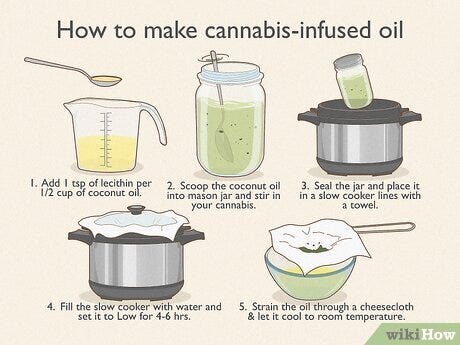
Half-fill a mason jar with small pieces of hemp, no larger than a grain of rice.
Add the carrier oil: melted butter, coconut, or olive oil. Use just enough to cover the material.
Close the lid until it’s finger-tight, so that it can vent pressure safely as it warms up.
You can place the jar on a trivet in the pressure cooker.
Add a few inches of water, seal the lid, and cook on high pressure for 45 - 60 minutes.
Filter out loose plant material from the oil. Let it cool enough to be decanted safely.
There is even a wikiHow guide, and they recommend a second stage at a “low setting”
(88-93°C / 190-200°F) in a slow cooker for another 4-6 hours, to allow
the decarbed cannabinoids and terpenes to fully infuse into the carrier
oil:
Their site also walks you through the oven decarb process.
How to take cannabutter
You can create edibles with cannabutter, substituting it for regular butter in a recipe.
Because
edibles are digested rather than inhaled, the effects of cannabinoids
can take much longer to become noticeable. With THC this is often cited
as 45 - 90 minutes, with the effects lasting as long as 8 hours.
Popular edibles include:
Fudgy brownies.
Chocolate chip cookies.
Rice krispie squares.
Popcorn.
Macaroni cheese.
Garlic mashed potatoes.
Baked fish.
You
are advised to start with a low dose (e.g. 5mg) and to wait 90-120
minutes to see how you react before considering increasing the dose.
Side effects of edible cannabis may include:
Dry mouth.
Sleepiness.
Paranoia.
Impaired motor control.
Altered senses.
Make sure that they are securely locked away too, as they can resemble candy, cookies, or other edibles.4
For
further reading, the FOOD52 site offers useful advice and recipes,
including dosing and serving-size calculations. You can substitute CBD
for THC in the calcs:
It takes a little bit of
math to figure out the exact dosing/serving size you should start with,
but it’s important to do it, no matter what type of edible you’re
making. Here’s an example:
1 gram of weed that is 15 percent THCA will have 150 milligrams of THCA.
I recommend a starting dose of 2.5 to 5 milligrams THC.
1
gram of weed in 2 dozen cookies breaks down like this: 150 milligrams
THC in the total batch divided by 24 cookies = 6.25 milligrams of THC
per cookie.
Start with ½ of a cookie, wait 1 to 2 hours
to feel the effects, then decide if you want to try a bit more (I’d
recommend adding no more than ¼ of the cookie at a time).
Keep
in mind that 100 percent conversion to THC is impossible, since there
is always loss during the decarboxylation, infusion, and cooking
processes. Just remember to plan ahead and have some non-infused snacks
to munch on once you’ve enjoyed your edible—and don’t forget to set a
timer to know how long it’s been since you took it.
Their
linked recipe for Double Chocolate Weed Brownies recommends baking at
177°C (350°F) for 25 minutes, but won’t this evaporate and degrade all
the terpenes and cannabinoids?
By all means use a cooking
thermometer, but there is no need to be too concerned, as long as the
internal temperature does not exceed about 100°C (212°F):
Temperature to Bake Cannabis Edibles
Almost all of my cannabis cookie recipes call to bake them at 325-350°F, and at first, I questioned myself, too.
Are these temperatures too hot? Will they burn off the THC? Will it ruin my final product?
But then Chef Phil explained to me why it is OK to bake cookies at this temperature without worrying about ruining them.
The oven temperature is set to 350°F (177°C), but this doesn’t mean the food temperature gets that high.
The instructions say to preheat the oven to 400°F (204°C) and put the baking dish inside to cook for 12-15 minutes.
You will know it is done when the fish reaches an internal temperature of 145°F (63°C).
Cannabis
cookies are the same. You place them in the oven at any temperature
called for in the recipe and let them cook until they are done,
approximately 165°F (75°C).
When baking, you do not need to worry
about ruining the THC because the item should never reach the
degradation temperature of 340°F (171°C).
Note: this explanation does not account for the low temperatures required to preserve different compounds, like terpenes, which may degrade at lower temperatures.
Don’t try to take shortcuts when decarbing:
Cooking Methods to Avoid
Now that we know it is safe to bake our edibles at temperatures 300°F(149°C) or more, it’s time to mention what is not safe for homemade edibles.
Remember, this is after the decarboxylation and infusion process has already taken place.
Avoid Burning
If
you accidentally overcook or burn your cannabis edibles at high
temperatures, there is then a possibility you may destroy some valuable
compounds.
The best way to prevent overcooking or overbaking is to
set a timer you will notice, whether it be on your oven or your phone,
so you don’t forget about your baked goods.
Avoid Frying
We’ve all seen the classic cannabis fan leaf going into the deep fryer, and that is OK because those leaves don’t contain very many trichomes.
However, that doesn’t mean frying your other edibles is a good idea.
Whether
you want to fry something in cannabis-infused oil or an infused edible
in regular oil, the temperatures are just too hot.
Hot oil can get up to between 350-375°F, making it possible to destroy the THC, so avoid this cooking method.
Avoid the Microwave
As tempting as it may be to thaw that cannabutter or coconut oil in the microwave, do not do it.
Microwaves can get very hot, upwards of 500°F, and are often unpredictable and unregulated when heating foods.
The variability and potential for such a high temperature make microwaving cannabis a no-no.
Whether
you’re trying to decarb in a microwave or thaw out some cookie dough,
resist the urge, be patient, and do it the right way.
TL;DR: Unless you’re only storing it for a few weeks, keep it in the fridge or freezer. Make sure it’s in an airtight and lightproof container, and bring it back to room temperature before use to prevent condensation.
Cannabidiol is rapidly degraded in storage by many environmental factors:
Heat.
Light.
Oxidation.
Water.
The ideal % RH should be between 50% and 65%.
Above 65% RH, and you can create a breeding ground for mould and mildew.
Below 50% RH, and you risk drying out and degrading your cannabinoid-rich trichomes.5
But you need to avoid condensation at all costs.
Heat is one of the greatest threats
At room temperature, 95% of your CBD can be degraded in as little as 4 months.
At 37°C, you can lose 10% per day, especially if it’s exposed to light.
Move it to the fridge, and it should be good for at least a year.
In
a freezer under the right conditions, CBD has an indefinite shelf life
(1-4+ years), but avoid freezing edibles or topicals, as it may alter
their texture.
Under oxidising conditions, 95% of it may be lost within a couple of days.
From 2020, by Fraguas-Sánchez et al.:
Stability characteristics of cannabidiol for the design of pharmacological, biochemical and pharmaceutical studies
Abstract
Cannabidiol
(CBD) is one of the most promising cannabinoids in therapeutics.
Nevertheless, the reported stability testing has been carried out with
plant extracts and not with CBD as a drug substance. The aim of this
work was to evaluate the stability of CBD in solution.
A
High-Performance Liquid Chromatography (HPLC) analytical method, with
CBD in ethanol, was previously validated for these stability studies.
The resulting method was linear and proportional in a range of
concentrations from 1 to 150 µg CBD/mL, as well as precise. It was also
considered suitable to quantify CBD in aqueous medium as reported in
accuracy studies.
The stability of CBD was influenced by
multiple factors. Temperature was one of the most critical parameters,
with an activation energy of 92.19KJ/mol. At room temperature, CBD was highly unstable (t95 = 117.13 days).
However, at 5 °C it was stable for at least 12 months. CBD was also sensitive to oxidation, with a short t95 of 1.77 days in oxidizing environments, as well as to light. The photolytic reaction seems to be oxidative.
The
solvent influences CBD stability, and the latter is more stable in
ethanol than in aqueous medium. In fact, in simulated physiological
conditions (pH 7.4 and 37 °C) 10% of CBD was degraded within 24 h.
These
studies indicate that CBD is highly unstable, and this should be taken
into account in the development of in vitro and in vivo studies of CBD
activity and in the pharmaceutical development of dosage forms.
…
Δ9-THC has been shown to be thermolabile [8], sensitive to oxidation
[9], unstable in acid solutions [10] and photolabile [11]. In respect of
CBD, it has been reported that, while methanolic extracts stored at 5ºC
showed a high stability [12], aqueous preparations were highly unstable
after 7 days of storage even at 5ºC, with a CBD loss of around 60%.
Oil
preparations stored in the same conditions were also unstable, although
a lower CBD degradation was detected [13]. Nevertheless, a more recent
study demonstrated that cannabis oil preparations showed a high thermal
stability with a slight (although significant) loss of CBD content of
around 12% after one year of storage in darkness at 4ºC [14]
… 3.4. Photo-stability studies
While
CBD solutions stored in darkness remained stable during the whole
experiment, samples exposed to light showed CBD degradation. It was
significantly more intensive at 25ºC compared to 5ºC, with a loss of 25
and 18% of the drug, respectively (Figure 5A).
No correlation
between CBD concentration and storage time higher than 25% was found in
samples stored in darkness, while in samples irradiated, correlation was
higher than 87% ( Figure 5D). .
As shown in Figure 5B, no CBD
degradation was found in nitrogen flushed light exposed samples within
the 72 hours of the study and, as a consequence, no statistically
significant correlation was found between CBD concentration and exposure
time.
… The reported results showed that
CBD stability is influenced by multiple factors, such as temperature,
light and oxygen. Temperature is one of the most important factors,
since CBD degradation was detected in the study carried out on this drug
in ethanol solution stored at 25, 40, 50, 60 and 70ºC.
The
higher the storage temperature, the higher the degradation rate constant
(K), except at 70ºC, probably due to a change in the degradation
pathway.
… The high instability of the solutions of CBD at room temperature (25ºC) requires its storage in a refrigerator.
Since in the stability study at 5ºC no significant degradation was
detected after 12 months of storage (the correlation between the
variables CBD concentration vs. storage time was not statistically
significant), the shelf life (t95) of CBD solutions stored in a
refrigerator was estimated from the Arrhenius equation, obtaining a
value of 4.8 years, which allows the storage of solutions of CBD in
ethanol in these conditions.
Because CBD is
highly lipophilic, it shouldn’t be stored in solvents that contain
water. Most alcoholic tinctures (which I use for Artemisia) also contain
water. Although they are more stable than water alone, you still need
to be cautious and use the highest percentage ethanol available.
… Our study also showed that CBD is more unstable in aqueous solvents than in ethanol, with a t95 value of 7 days at 25ºC when water with 0.5% Tween 80 was used as a solvent.
This
instability was partly due to the presence of dissolved oxygen, more
reactive than atmospheric oxygen. Therefore, when the aqueous solution
of CBD was saturated with an inert gas such as nitrogen, which displaced
the oxygen, the stability of CBD increased, obtaining a t95 value of
16.7 days.
However, it is still a value far removed from that
obtained when ethanol was used as a solvent. On the other hand, when
H2O2 was incorporated into the aqueous solution of CBD creating a
strongly oxidizing environment, rapid degradation of CBD occurred (t95
of 1.8 days), confirming that it is an easily oxidizable substance.
Cannabinoid molecules have also showed to be sensitive to light, and must be stored in darkness.
In our study, CBD has demonstrated to be sensitive to light when
incubated at both 5 and 25ºC in a photostability chamber according to
ICH guidelines.
… Finally, in
simulated physiological conditions (pH 7.4 and 37ºC), CBD was highly
unstable, with 10% of the drug degraded in 24h. When comparing CBD
aqueous solution (O±) incubated at 25ºC, a higher degradation was found.
While at 25ºC the estimated half-life (50% of degradation) was 19 days,
the half-life estimated from data obtained at 37ºC in PBS was 7 days.
This
difference could be attributed not only to the increase in the
degradation rate with the incubation temperature but also to the contact
with the air of the dissolution during the assay in physiological
conditions.
Keep it in the fridge, out of the light and exposure to atmospheric moisture and oxygen.
…
The solvent used has an important influence on the stability of the
CBD, so that ethanolic solutions are much more stable than aqueous ones.
In spite of this, it is necessary to keep the ethanol solutions of CBD
in the refrigerator in order to guarantee a shelf life of more than one
year, since at room temperature the solutions remain stable for less
than 4 months.
The Arrhenius equation (with Ea= 92.19KJ/mol and
A=6.65E+12d-1) is a validated tool to estimate the stability of CBD
alcoholic solutions at different temperatures. CBD is an easily
oxidizable substance, and its aqueous solutions must be saturated with
an inert gas like nitrogen in order to increase their stability from 7
to 19 days at room temperature. Light catalyzes the oxidation of CBD in
solution, so all solutions must be protected against it. The use of
antioxidants in CBD formulations should be considered.
Carefully
dried hemp may remain chemically stable for 1-2 years when stored in
the dark at room temperature in a low-oxygen environment, but
degradation is rapid when exposed to light.
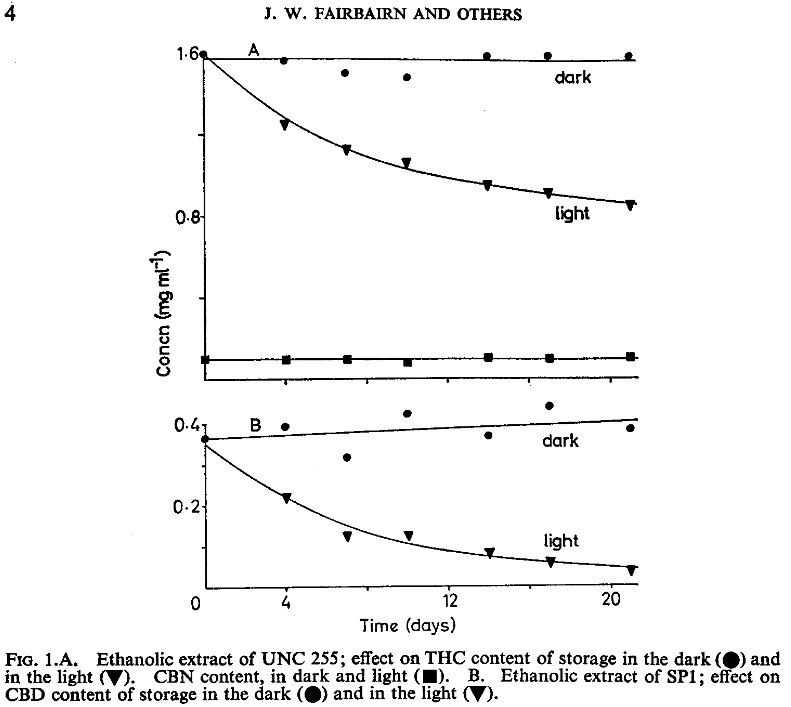
Key takeaways from “The stability of cannabis and its preparations on storage“ by Fairburn et al. (1976).6
A fifty-year-old study, but still useful!
The
effect of light on one sample of herbal cannabis (Table 2) shows once
more its deleterious effect. The results in Table 3 on a further 8
samples confirm that in the absence of light carefully dried herbal
cannabis is quite stable; in fact more so than previously thought. Thus
Lerner (1969) surmised a rate of loss of THC of 3 to 5 % per month at
room temperature, corresponding approximately to 31 to 46 % per year.
Assuming
a linear rate of decomposition Turner & others (1 973a) found a
loss of THC of 7 % per year at room temperature when stored in amber
bottles either in the dark or with limited exposure to light.
Our
seven samples of coarse powder in Tables 2 and 3 give corresponding
values ranging from 5 to 26 % with a mean of 13%. The results on
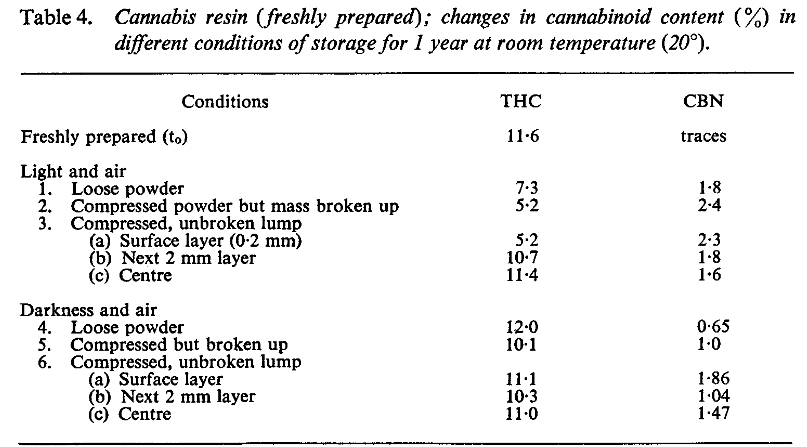
cannabis resin (Table 4) also show the deleterious effects of light but
in addition they illustrate other effects which are discussed below.
They do not discuss the carboxylation status of their samples, or quantify CBDA changes, so this may be a factor.
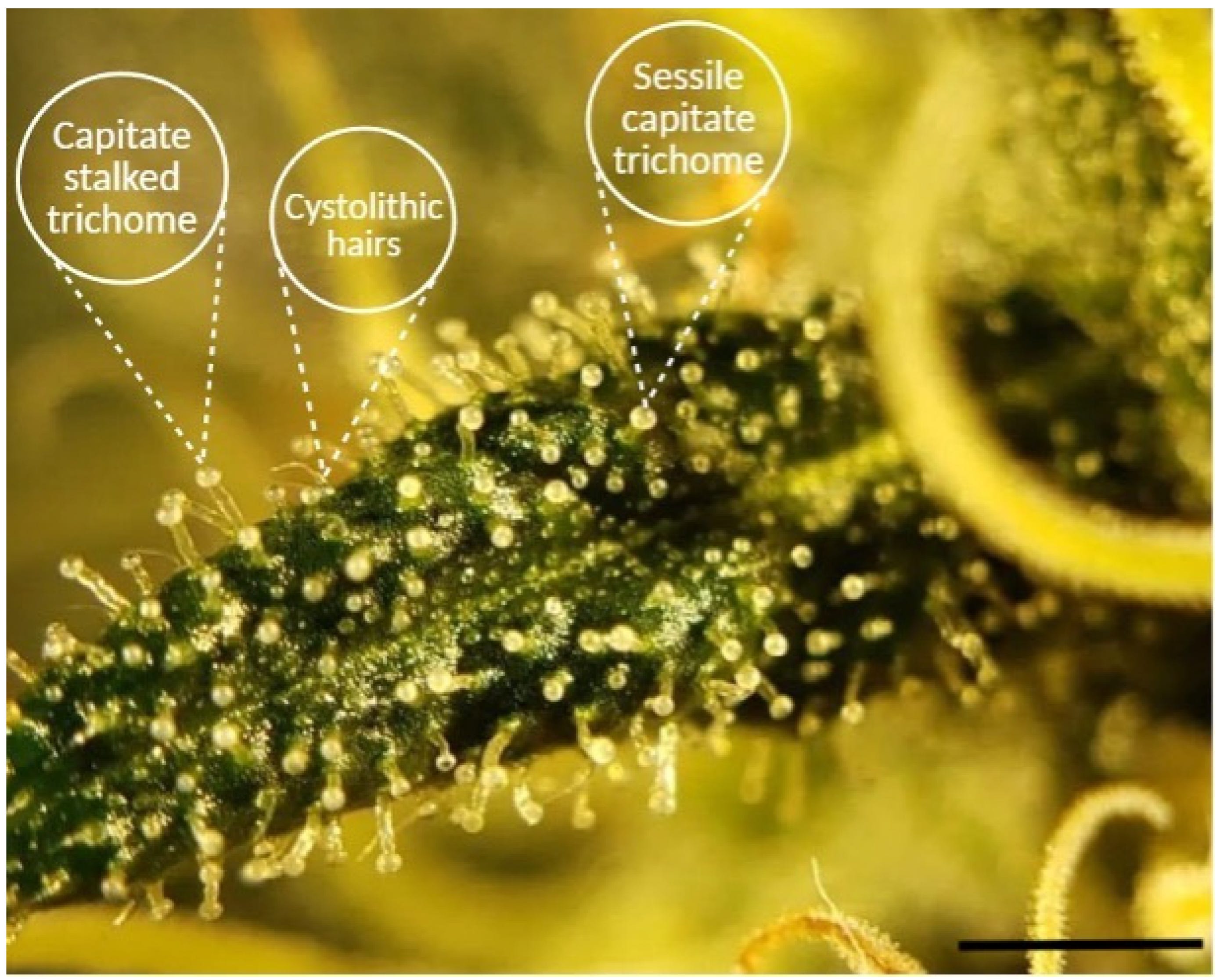
By “glands”,
they are referring to the delicate trichome hairs around the bud, where
cannabinoids are concentrated. Grinding bud too fine may lower your
final CBD and THC content.
The
effect of oxygen on herbal cannabis seems much less significant than
that of light or higher temperatures. This may be due to the fact that,
in the carefully dried plant, the cannabinoids are stored in
“well-closed containers”, the glands.
If these are burst by careless preparation or in the making of resin, then loss by oxidation is more likely.
The
results for herbal cannabis in Table 3 are consistent with this
suggestion: losses in the fine powder, where more glands will be
damaged, are consistently greater than in the coarse powder.
On
average the 6 samples of fine powder contained 11% less cannabinoids
than the coarse powder after 1 year storage. The results of a more
ambitious experiment on specially prepared resin are given in Table 4.
The loose powder showed less loss in THC after 1 year than compressed
powder in which many glands would be burst.
However, if the
compressed powder was retained as one lump this loss was mainly confined
to the surface layer which clearly protected the inner layers from
breakdown. This is also shown in our work on the Pakistani resin sample
(see Results) in which the inner layers always contained more THC than
the outer.
More recent research confirmed that dried hemp has a longer shelf life than oil-based capsules or dropper oils:
The
aim of the present study was to investigate the chemical stability of
cannabidiol (CBD) in the form of a solid powder (hereinafter referred to
as CBD powder) and also dissolved in sunflower oil.
We performed
stress studies in accordance with the International Conference on
Harmonization (ICH) guidelines, where 5 mg of marketed CBD in the form
of a solid powder and in form of oil solution were exposed for 7 and 14,
30, 60, 90, 180, 270, and 365 days to precisely defined temperature and
humidity conditions, 25 °C ± 2 °C/60% RH ± 5% and 40 °C ± 2 °C/75% RH ±
5% in both open and closed vials in the dark.
CBD powder was
significantly more stable than CBD in oil solution. Such finding is
important because CBD is often administered dissolved in oil matrix in
practice due to very good bioavailability. Thus, the knowledge on
admissible shelf time is of paramount importance.
From: “Stability Study of Cannabidiol in the Form of Solid Powder and Sunflower Oil Solution” (2021)
This research was conducted, in part, for use in forensic applications, particularly in drug seizures.
In
a forensic context such degradative processes can have relevant
consequences especially when illegal cannabis products are seized during
law enforcement activities. Prolonged storage may alter the chemical
composition of cannabis products, and this may become relevant when
results from analyses are used to determine if a criminal offence has
been committed.
… The contents of THC and CBN in cannabis
products (hashish and marijuana) were found to significantly depend on
the storage time, unless samples are stored at –20 °C, indicating that freezing is the best storage condition to avoid the reduction of the cannabinoids content over time.
Under
the other considered storage conditions (light and dark storage at room
temperature and refrigeration), THC content showed a significant
reduction over time, whereas CBN content significantly increased.
The
degradation process which consume THC and produce CBN were found to be
highly correlated and dependent on the storage temperature. The presence
of light was found to have a significant effect on the kinetic
constants and also on the stoichiometry of the degradation processes.
From “The role of time and storage conditions on the composition of hashish and marijuana samples: a four-year study“ (2019)
Globally, the average adult weight is approximately 62 kg. In the UK, adult men average 86 kg, and women 73 kg.
Across
35 clinical studies, doses ranged from <1 to 50 mg/kg/d. CBD was
reported as well tolerated, with epilepsy the most studied medical
condition, averaging 15 mg/kg/d in RCTs.7 For research purposes, doses are comparatively high.
The
long-term maintenance baseline dose for mild symptom management or
everyday wellness is typically 10mg. This is a useful dose for coping
with stress and anxiety, managing mild inflammation, and helping you
sleep.
The verywellmind site provides very useful, fully referenced dosing advice:
Key Takeaways
There is no set CBD dose for all people, and it varies by individual needs and conditions.
It’s safest to start with a low dose of CBD and increase it slowly to find the right amount for you.
Always talk to your healthcare provider before trying CBD, especially if you have health conditions or take other medications.
How Much Should You Take?
Research
studies have used different CBD dosages, and there’s no consensus on
how much should be used for specific conditions. If you decide to try
CBD, remember that there’s no universally agreed-upon dose. People may
respond differently to various amounts, so the right dose for your needs
might vary.
CBD Dosages
Research studies have used the following CBD dosages for different conditions:
Anxiety: 300 to 600 mg1
Bowel disease: 10 mg per day2
Cancer-related pain: 50 to 600 mg per day3
Parkinson’s disease: 75 to 300 mg per day4
Poor sleep: 25 mg per day5
Psychosis: 600 mg per day2
One
2020 review of studies found that participants showed improvements in
anxiety levels after single doses of CBD ranging from 300 to 600 mg.6 Such results indicate that CBD may hold promise as a treatment to alleviate symptoms of acute anxiety.
Warning
Always
talk to your doctor before using CBD if you have symptoms of a serious
mental or physical health condition. CBD may worsen symptoms or interact
with other medications you’re taking.
Looking at the dosage information for the CBD product that has been FDA-approved can also be helpful. Epidiolex,
an FDA-approved cannabis-derived medication used to treat seizures in
people with certain types of epilepsy, has a starting dosage of 5 mg per
kilogram of body weight, which can later be increased to 5 mg per
kilogram of body weight twice a day.
Other CBD products are
not FDA-regulated and do not have officially recommended dosages. This
can make it difficult to determine how much you might need, but there
are some things you can consider that might help.
Assess your sensitivity to CBD:
Your ability to tolerate CBD affects how much you need. If you’re very
sensitive to CBD, start with a small dose. Some people may need a larger
dose to notice any beneficial effects.
Consider individual factors:
You should take into account a number of factors. These include the
formulation and concentration of the capsule, oil drops, or gummies you
are taking, the symptoms you are treating, and your age, sex, weight,
and overall health. Generally, people with heavier bodies need to take a
little more to achieve the same effects. Men may need a larger dose,
while older people may need less.
Consider the symptoms you’re treating:
The symptoms you are trying to alleviate can also play a role in the
CBD dosage you need to take to see results. In one study, participants
who took 25mg of CBD each day had improved sleep quality, although the
results were not consistent.5 However, you might find that you need a lower or higher dose if you are treating another type of condition.
Try a dosage calculator:
Researchers note that while the variety of dosing strategies and
formulations makes it difficult to determine efficacy, there are a
number of online “dose calculators” available (such as mydosage.com) designed to help people choose the correct dose.6 The accuracy of such calculators is difficult to assess, but it may be a good place to start.
Before
you try CBD, discuss your plan with your doctor. They may be able to
recommend a dose and help you better understand any potential risks,
complications, side effects, or interactions you might experience.
Start With a Low Dose
Unless
your doctor recommends a specific dose, start by taking 10 to 20 mg
daily. Take this for a week to ensure that it is well-tolerated and that
you don’t experience any unwanted effects or an allergic reaction.
If this dose does not have the desired effect, try increasing it by 5mg each week until you reach the desired amount.
In
studies, amounts vary from as low as 20 mg per day to up to 1,500 mg
per day. The World Health Organization reports that dosages in clinical
research studies typically range between 100 and 800 mg per day.8
Is It Possible to Take Too Much?
So,
what is the maximum amount of CBD you should take? Researchers have
found that 600 mg per day appears to be safe, but one study suggested
that doses of up to 1,500 mg a day are safe and tolerated well.11
However,
it’s important to remember that research is still in its infancy, and
experts do not yet fully understand the potential long-term impacts of
CBD usage. For that reason, you should always discuss your CBD use with
your doctor.
Starting at a lower dose and working your way up to the amount you need may be the best ways to avoid taking too much.
Drugs.com is always worth checking, particularly if you take other meds:
What happens if I miss a dose?
Take
the medicine as soon as you can, but skip the missed dose if it is
almost time for your next dose. Do not take two doses at one time.
What happens if I overdose?
Seek emergency medical attention or call the Poison Help line at 1-800-222-1222.
What should I avoid while taking cannabidiol?
Drinking alcohol with cannabidiol can increase drowsiness.
Avoid
driving or hazardous activity until you know how this medicine will
affect you. Dizziness or drowsiness can cause falls, accidents, or
severe injuries.
What other drugs will affect cannabidiol?
Using
cannabidiol with other drugs that make you drowsy can worsen this
effect. Ask your doctor before using opioid medication, a sleeping pill,
a muscle relaxer, or medicine for anxiety or seizures.
Sometimes
it is not safe to use certain medications at the same time. Some drugs
can affect your blood levels of other drugs you take, which may increase
side effects or make the medications less effective.
Tell your doctor about all your other medicines, especially:
other seizure medications (especially clobazam or valproate); or
cannabis-based products.
This list is not complete. Many other drugs can affect cannabidiol, including prescription and over-the-counter medicines, vitamins, and herbal products.
Not all possible interactions are listed here. Tell your doctor about
all your current medicines and any medicine you start or stop using.
For
my Finola tops, based on the research, I decided on a therapeutic dose
of 50mg, taken in a tea bag. As I’m storing in the freezer, I do not
wish to keep opening or defrosting and refreezing a master batch of
dried hemp, as this exposes it to oxygen and moisture.
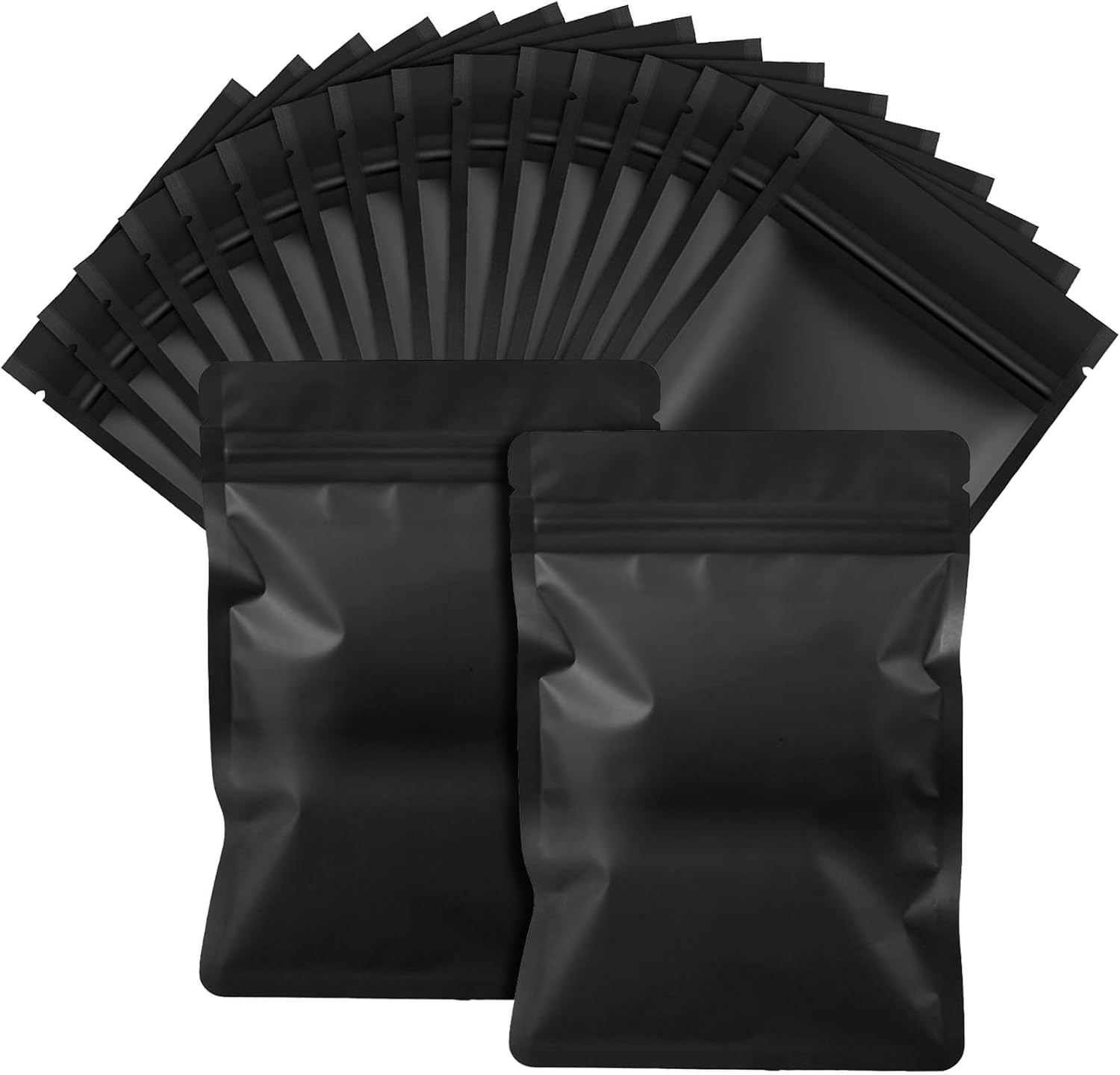
For these
purposes, food-grade, foil-lined resealable 8 x 10cm ziplock mylar bags
are ideal. I found that each one can hold 2-3 bags, and can easily be
pressed down to exclude as much air as possible:
Working
backwards, I need to allow for a CBD conversion ratio of 0.877, which
is typically used, with a final recovery efficiency of around 80%.
Thus I need 1.5g (1500mg) of dried hemp, calculated as follows:
CBD/CBDA concentration: 5% (0.05)
Initial potential CBD/CBDA: 1500mg × 0.05 = 75mg
Maximum potential CBD after conversion: 75mg × 0.877 = 65.775mg
With an 80% recovery efficiency, final estimated CBD: 65.775mg × 0.80 = 52.62mg
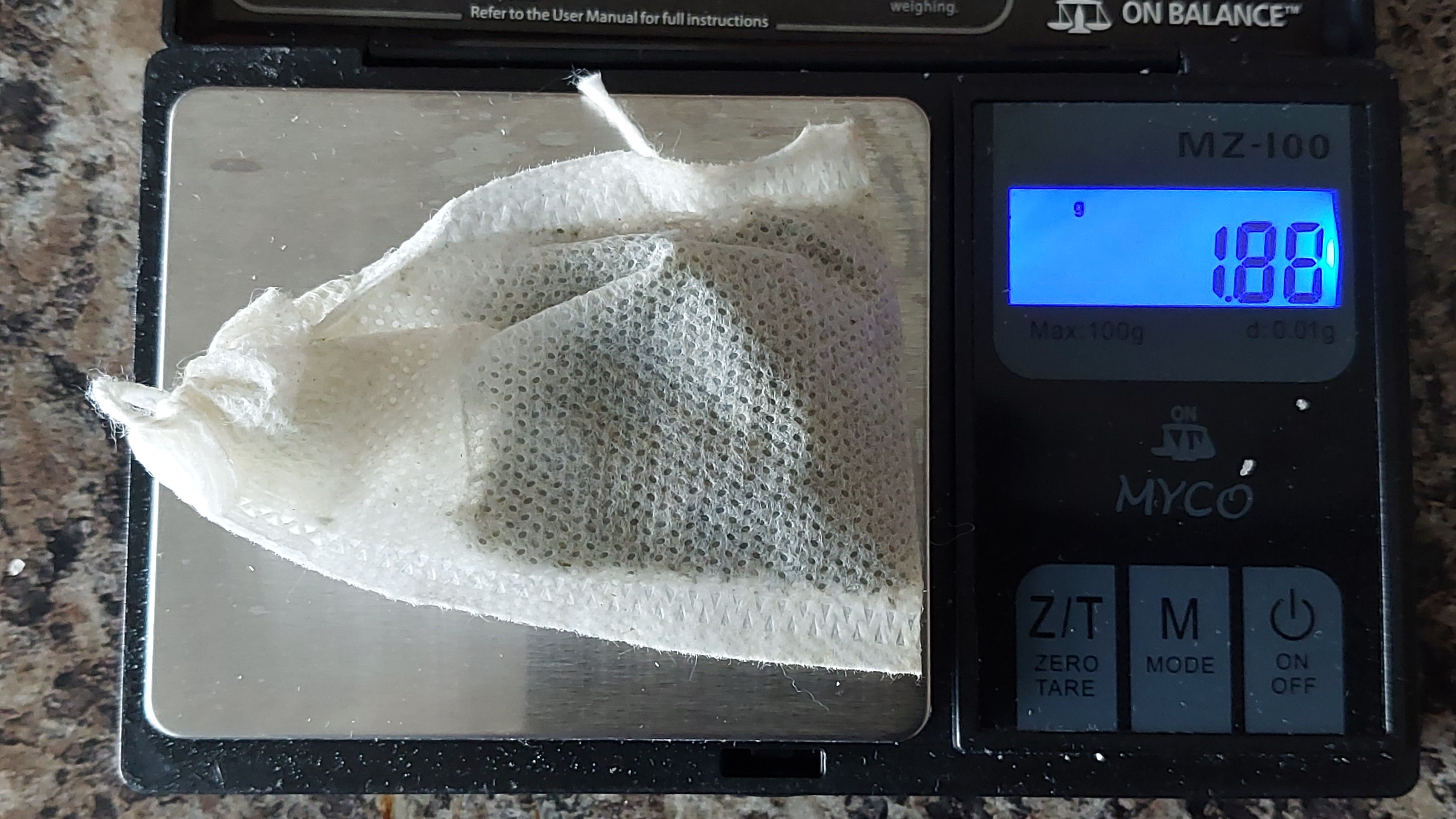
Each
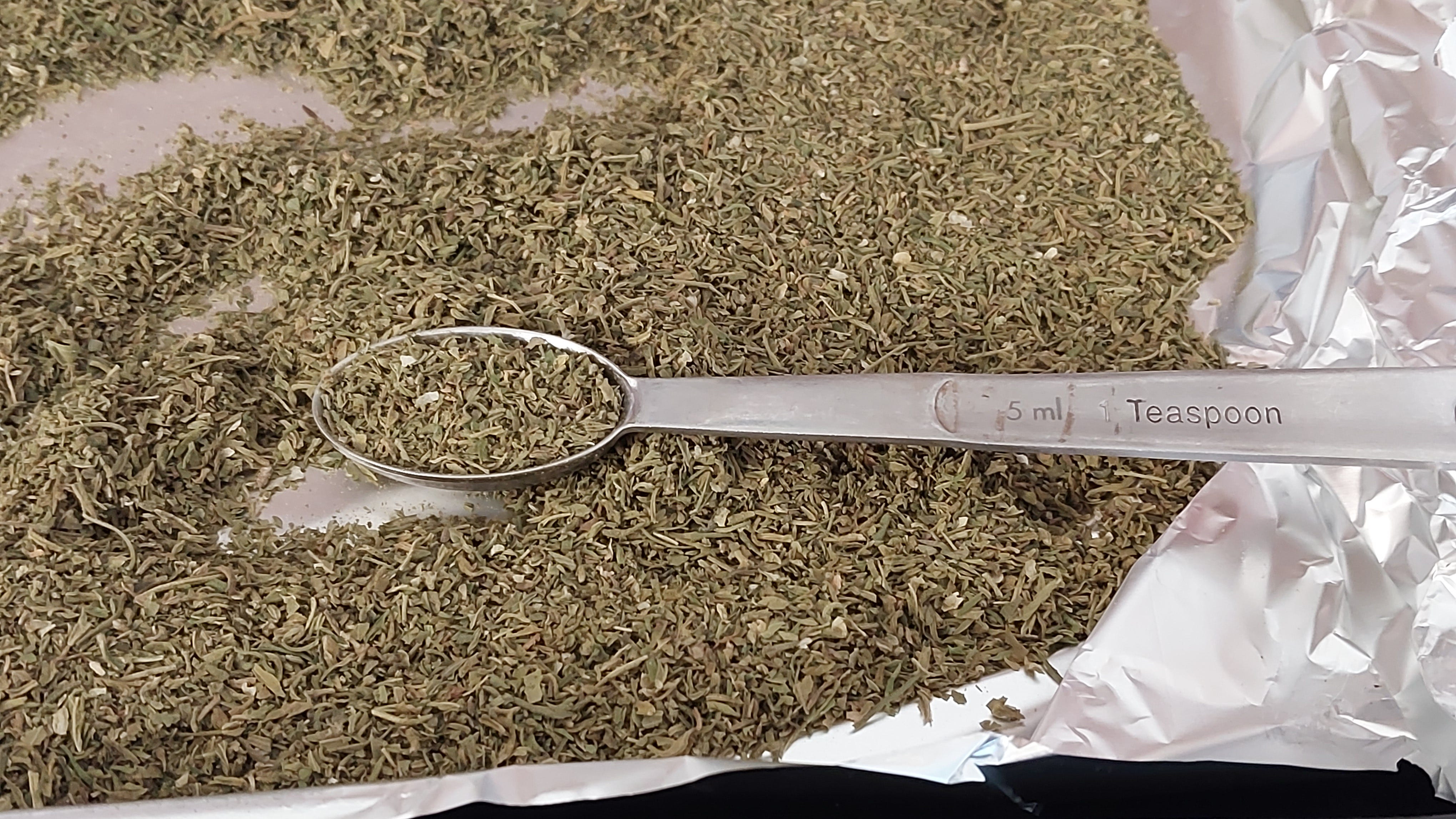
tea bag weighs around 1.8g in total, and with my batch this is equal to
around one and a half teaspoons of decarbed hemp (7.5ml):
For
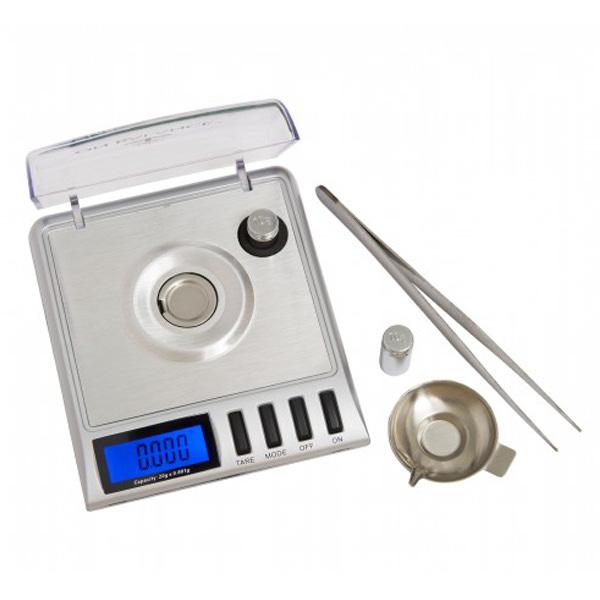
some reason (I can’t think why), online stores have an ample supply of
cheap, Chinese-made scales. Quality can vary somewhat, but so far I
have found On Balance scales to be accurate and reliable, with their
CJ-20 milligram scales being almost lab-quality, and I have a set of
these too.
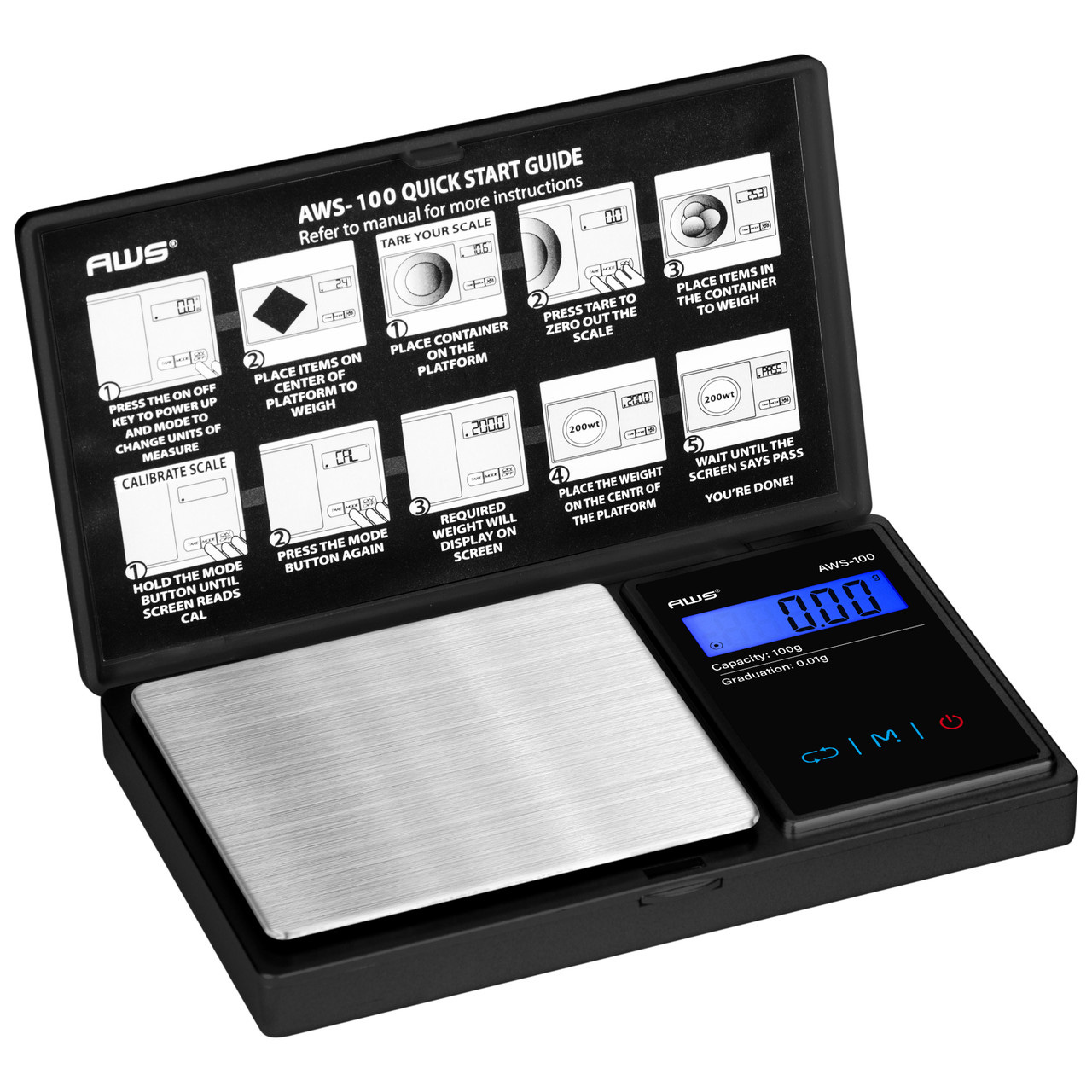
If
you want the real thing, the On Balance 100g pocket scales are a copy
of the reference American Weigh Scales (AWS) AWS-100, which dates back
to the early 2000s and packs a 10-year manufacturer's warranty:
I bought 3 x 30g of Finola tops. This was enough to fill 53 reusable tea bags, delivering a dose of 50-60mg of CBD.
Note:
In 2023, a bunch of comedians—our totally unconflicted-by-BigPharma UK
food regulators—lowered the recommended safe daily dose of CBD from 70
mg (as of 2020) to 10 mg.
I
wish they were this proscriptive about mass medication with a synthetic
form of folic acid that our liver struggles to convert, and is
contraindicated for those with stents or MTHFR mutations.
“Revascularisation” means undergoing further surgery to repair a failed stent.
This may entail:
Balloon Angioplasty.
A Drug-Coated Balloon (DCB).
Placing a New Stent.
Bypass Surgery (CABG).
You can thank your government if this happens to you because of folate poisoning.
Folate
therapy had adverse effects on the risk of restenosis in all subgroups
except for women, patients with diabetes, and patients with markedly
elevated homocysteine levels (15 μmol per liter or more) at baseline.
… Contrary to previous findings, the administration of folate, vitamin B6, and vitamin B12 after coronary stenting may increasethe risk of in-stent restenosis and the need for target-vessel revascularization.
From: “Folate Therapy and In-Stent Restenosis after Coronary Stenting” (2004)
Cannabidiol safe daily dose limit cut by food regulator
Published 12 October 2023
UK
food regulators have lowered the recommended safe daily dose of
cannabidiol (CBD), a cannabis extract present in many different High
Street products, including drinks and snacks.
The Food Standards Agency, external says the advice is precautionary, following concerns long-term use might cause liver and other health problems.
Adults are being advised to have no more than 10 milligrams of CBD a day.
The previous recommended safe daily dose, from 2020, was 70 milligrams.
And
the FSA is warning some products available in shops and online contain
more than 10 milligrams of CBD per serving, which is about four to five
drops of 5% CBD oil.
FSA chief scientific advisor Prof Robin May, said: “The
more CBD you consume over your lifetime, the more likely you are to
develop long-term adverse effects, like liver damage or thyroid issues.
“The
level of risk is related to how much you take, in the same way it is
with some other potentially harmful products such as alcoholic drinks.”
‘Health risks’
Two independent committees reviewed the scientific evidence, including data submitted by manufacturers of CBD products.
The FSA, which has been regulating the CBD market since 2019, says there appears to be no “acute safety risk” from consuming more than 10 milligrams of CBD a day but regular consumption above this level could pose health risks.
The
FSA chief scientific advisor linked the higher dose to liver or thyroid
damage, but I couldn’t find any published research supporting this.
Quite the opposite, in fact.
For example:
The
safety of CBD as a pure compound or as a component of hemp extract has
been investigated in numerous animal and human studies. The liver is the
target organ of CBD toxicity as discovered in both animal8–10 and human studies11–20, but a limited number of studies of CBD found no adverse effects on liver functions.
A
14-day and 90-day oral toxicity study of CBD reported no treatment
related adverse effects in Sprague Dawley rats at any treatment dose and
determined an oral no observed adverse effect level (NOAEL) of 150 and
140 mg/kg-bw/day, respectively21.
A placebo-controlled human study in 20 patients with Crohn’s disease found no effects on liver function
(based on blood tests for liver enzyme activity) after daily
consumption of 20 mg highly purified CBD in olive oil for eight weeks22.
In
addition, CBD in foods and supplements delivering 50.3 ± 40.7 mg/day
and consumed by healthy adults for a minimum of 30 days did not appear
to alter the prevalence of elevated liver enzymes compared to the
general adult population in the United States23.
From: “Hepatotoxicity evaluation of cannabidiol, cannabinol, cannabichromene and cannabigerol using a human quad culture liver chip“ (2025)
Ironically, CBD can even benefit thyroid function!
The
relative expression of CB2 (thyroid ~ 4 folds), VDR protein (liver,
151.72%), and (kidney, 66%) was significantly increased in CBD-60
compared to VDD. Vitamin D3 metabolites were
significantly increased serum (189.42%), kidney (73.84%), and liver
(58.11%) in CBD-60 than VDD. Increased thyroxine (59.9%) and calcitonin
(213.59%); while decreased thyroid-stimulating hormone (36.15%) and
parathyroid hormone (38.64%) was observed CBD treatment in VDD rats.
In conclusion, CBD treatment improves CB2 and VDR expression and the level of vitamin D3 metabolites, along with improved thyroid hormones, including calcitonin.
This
is the first report with an improved CB2 and VDR expression after CBD
treatment in VDD induced animals. Thus, CBD can be considered to use in
hypothyroidism conditions and to maintain bone health.
From: “Cannabidiol improves thyroid function via modulating vitamin D3 receptor in vitamin D3 deficiency diet-induced rat model“ (2022)
2.5 A simple way to improve bioavailability: Add a pinch of pepper
Apart
from taking CBD in oil, or in a tea with milk or coconut oil, piperine
significantly increases its bioavailability (2.5-fold, in a rat model).
Black, white, and green peppercorns contain 2-9% piperine.
Common reference ranges are 5 to 20 mg piperine per day, and it may be taken with curcumin too, as part of your daily stack.8
Piperine
can reduce the first-pass hepatic metabolism of CBD by inhibiting the
cytochrome P450 (CYP450) enzyme family in the liver, particularly
CYP3A4, which metabolises CBD. I always add a pinch of pepper to my
hemp infusions.
This is from a paywalled paper from 2025:
Piperine,
a pungent alkaloid found in black pepper (Piper nigrum), has garnered
significant interest as a natural bioenhancer due to its multifaceted
ability to inhibit cytochrome P450 enzymes, particularly CYP3A4, and
efflux transporters such as P-glycoprotein (P-gp).
These actions
result in enhanced intestinal absorption and prolonged systemic
retention of various therapeutic agents. Additionally, Piperine
modulates intestinal permeability and alters the pharmacokinetics of
drugs by interfering with first-pass metabolism.
Recent
developments in nanotechnology have led to innovative formulation
strategies, such as nanoemulsions, liposomes, and self-emulsifying drug
delivery systems, which further enhance Piperine’s solubility,
stability, and efficacy.
From: “Metabolic Insights into Drug Absorption: Unveiling Piperine’s Transformative Bioenhancing Potential“ (2025)
In
2017, a group of researchers conducted preclinical and clinical trials
using CBD and THC cannabinoids, administered orally with piperine in
Pro-Nanolipospheres (PNLs), with excellent indications:
In
the freely moving rat model, incorporating THC and CBD into the
piperine-PNL vehicle results in a 9 and 6-fold increase in oral
bioavailability, respectively, when compared to THC and CBD solution and
an additional 1.47 and 2-fold increase when compared to THC/CBD-PNL
administration [13].
We maintain that this enhanced absorption is
result of P-PNL’s ability to increase solubility of the cannabinoids,
inhibit phase I and phase II metabolism as well as efflux mechanisms.
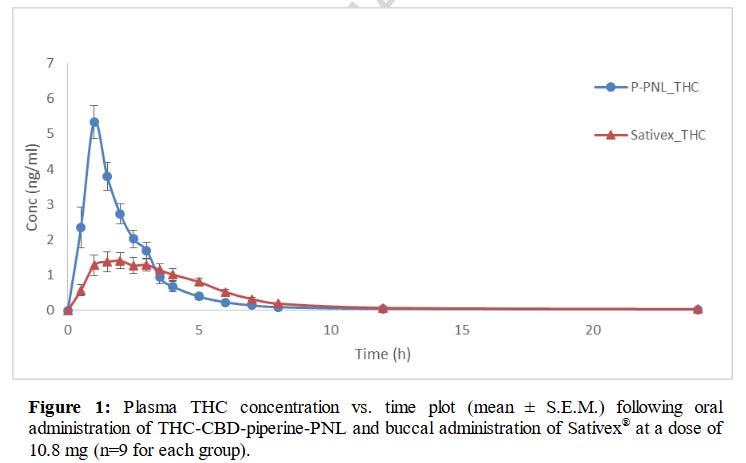
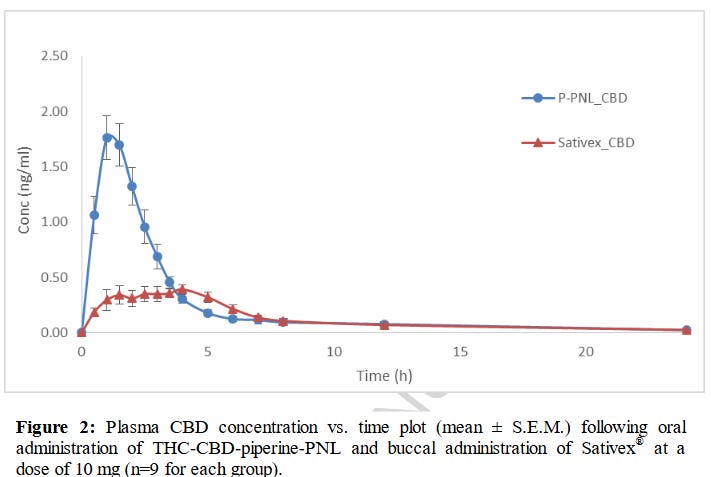
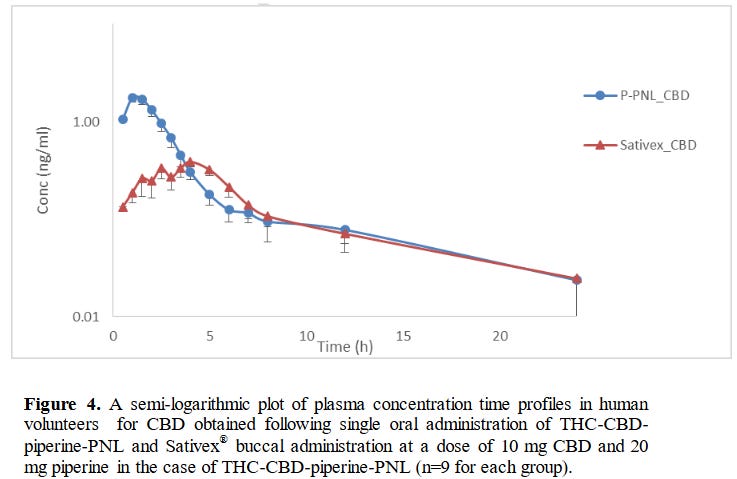
In
this trial, as seen in pre-clinical studies, AUC and Cmax were
significantly higher for each cannabinoid following P-PNL delivery
system administration compared to Sativex® (Figure 1, Figure 2).
Interestingly,
the magnitude of Cmax elevation for CBD following P-PNL delivery system
administration was higher than for THC. The Cmax of THC was increased
approximately by 3-fold whereas the Cmax of CBD was increased by 4-fold.
These
results reinforce our previously suggested hypothesis that the observed
difference can most probably be attributed to the different metabolic
pathways of THC and CBD. As opposed to THC, CBD is subjected not only to
Phase I metabolism but also to Phase II metabolism. The substantial
elevation we observed in CBD may be related to inhibition of Phase II
glucuronidation process induced by the piperine component of our P-PNL
formulation.
… A substantial percentage of cannabis using
patients consumes cannabinoids via the oromucosal pathway, specifically
the spray Sativex®. The advantage of this route is assumingly bypassing
the hurdles of first pass metabolism associated with intestinal
absorption since it is not drained via the portal vein.
Sativex®
is a solution indicated for the relief of spasticity and neuropathic
pain in multiple sclerosis patients, approved in various countries in
Europe as well as in Israel. Nevertheless, Sativex® possesses some drawbacks in terms of side effects, compliance and inter-patient variability.
The
Sativex® solution contains ethanol and propylene glycol as the vehicle
of administration, which over a long-period treatment may be harmful to
the oral environment.
These excipients often lead to lesions,
mouth ulcerations, pain and soreness. In such cases, the treatment has
to be interrupted until complete healing of the oral mucosa[25].
From: “Piperine-pro-nanolipospheres
as a novel oral delivery system of cannabinoids: Pharmacokinetic
evaluation in healthy volunteers in comparison to buccal spray
administration“ (2021)
From 2020, Izgelov et al. demonstrated the beneficial effects of piperine, even without using novel carriers:
The effect of piperine on oral absorption of cannabidiol following acute vs. chronic administration
Abstract
The
piperine is an alkaloid naturally found mostly in black pepper with a
myriad of pharmacological attributes. The most far reaching indication
of piperine is its use as an absorption enhancer, with supportive data
regarding piperine’s ability to inhibit first pass effect mechanisms.
However,
alongside these findings, the role of piperine as an absorption
enhancer is undermined with publications stating an effect of a
metabolic inducer. The aim of this commentary is to investigate the
effect of repeated administration of piperine on oral absorption of
cannabidiol (CBD), compared to single dose administration.
The
effect of piperine on absorption was determined pre-clinically in the
freely moving rat model. Repeated administration of piperine, dissolved
in a lipid-based formulation did not differ from acute piperine
demonstration in its effect on CBD absorption, with a 2.5-fold increase
in oral bioavailability in comparison to control group without piperine.
They didn’t find any tolerance-associated diminution of effects:
3. Results
Single oral administration of CBD in the SNEDDS formulation PNL with piperine resulted in a statistically significant 2-fold increase in AUC and a 1.4 in Cmax compared to CBD-PNL.
Administration of piperine-PNL (P-PNL) for 10 consecutive days resembling chronic administration did not alter the enhancing effect of the piperine component in PNL on absorption of CBD.
Chronic
administration of piperine-PNL did not diminish the piperine effect and
resulted in an approximately 2.8 increase in AUC and a 1.3 increase in
Cmax compared to CBD-PNL.
There was no statistically significant
difference between oral bioavailability of CBD administered in P-PNL
given once and P-PNL given for 10 days.
Tmax is similar for all
three groups, the group of P-PNL given for 10 days had a wider range of
time points. T1/2 is very similar for all groups, indicating that the
elimination phase was not affected.
A large UK chain of stores recommends that you take drops sublingually, and allow a minute for absorption:
Product Uses
Dosage Internal use: The Lucovital CBD 2.8% oil is suitable for adults from the age of 18. The oil is easy to administer by placing 2 drops under the tongue twicea day. This equates to 5 mg of CBD per dose (4 drops). Use a maximum of 8 drops per day.
Take the doses at equal intervals throughout the day. Keep the drops in your mouth for approximately 60 seconds before swallowing.
Increasing the dose slowly is recommended, as the right dosage will vary from person to person. Do not exceed the recommended daily dose.
The
theory is that CBD oil can be absorbed quickly through the mouth’s
mucosal membranes, entering the bloodstream and bypassing the hepatic
portal vein and the liver’s first-pass metabolism:
How often can a person use sublingual CBD?
Medically reviewed by Eloise Theisen, RN, MSN, AGPCNP-BC — Written by Helen Millar — Updated on September 26, 2023
Sublingual
administration refers to taking CBD oil under the tongue. There is no
set guidance yet on how often people can use CBD this way, but most
products advise taking CBD oil once or twice daily.
…
There are many ways people can take CBD including under the tongue.
However, each delivery method has different challenges that may make it
difficult to get the important properties of CBD into the body and
working effectively.
Sublingual use is a delivery method that can
bypass some of these challenges, and proponents suggest that it may
allow CBD to quickly enter the bloodstream through the veins under the
tongue. However, experts need to perform more research on this topic.
Currently,
there is only one manufacturer of a CBD product that has the Food and
Drug Administration (FDA) approval, which is the prescription drug
Epidiolex. This approval enables people to use the drug to treat
seizures that occur due to:
Lennox-Gastaut syndrome
Dravet syndrome
tuberous sclerosis complex
As such, there is still a lot that scientists do not know about CBD. However, research is ongoing into the:
appropriate dosage guidelines
potential long-term effects of CBD
different CBD delivery methods’ effects on people
Evidence
notes that CBD is generally safe, particularly when people use it
responsibly. Therefore, it is advisable to follow product suggestions
for how frequently a person uses sublingual CBD.
Many
manufacturers typically recommend that people take CBD oil once or twice
a day. However, this varies according to various factors, which can
include:
the condition the person is treating
weight
lifestyle factors, such as alcohol consumption
other medication use
Medical
guidelines for using Epidiolex recommend a starting dose of 2.5
milligrams per kilogram of body weight (mg/kg) twice daily, for a total
of 5 mg/kg per day. If tolerable, a person may be able to slowly
increase their dosage to 20 mg/kg per day.
The above guidance is
for taking CBD oil orally. Currently, no guidelines refer to suitable
dosages of Epidiolex when using the sublingual approach. It is important
to note that dosage for Epidiolex will differ from over-the-counter CBD
products. As such, it is advisable for people to follow the
recommendations on the packaging.
How to take CBD under the tongue
Sublingual
administration refers to when a person places a drug under their
tongue, which allows the drug to absorb directly into the bloodstream.
As
such, this may allow the compounds of CBD to enter the bloodstream
rapidly and directly because there are numerous blood vessels under the
tongue. However, more research is necessary to understand how
effectively CBD oil can absorb into the capillaries under the tongue.
Research
suggests that methods that bypass the digestive process, such as
sublingual delivery methods, typically absorb better when people take
CBD orally.
By entering the blood vessels directly, the
part of the drug that enters the bloodstream can skip the process of
metabolism. This prevents the body from disposing of the drug before it
has the chance to enter the system.
To use CBD sublingually, it is
advisable to follow instructions on the product’s label. Typically,
this will involve using a pipette and placing a drop of CBD oil under
the tongue, where a person will hold it until it absorbs. A person can
also follow a healthcare professional’s directions when taking CBD oil
using the sublingual approach.
One
of the reasons that off-prescription use of CBD is so popular—and for
writing these Substacks—is for treating the long-term side effects of
those poisoned by various adjuvanted or mRNA vaccines.
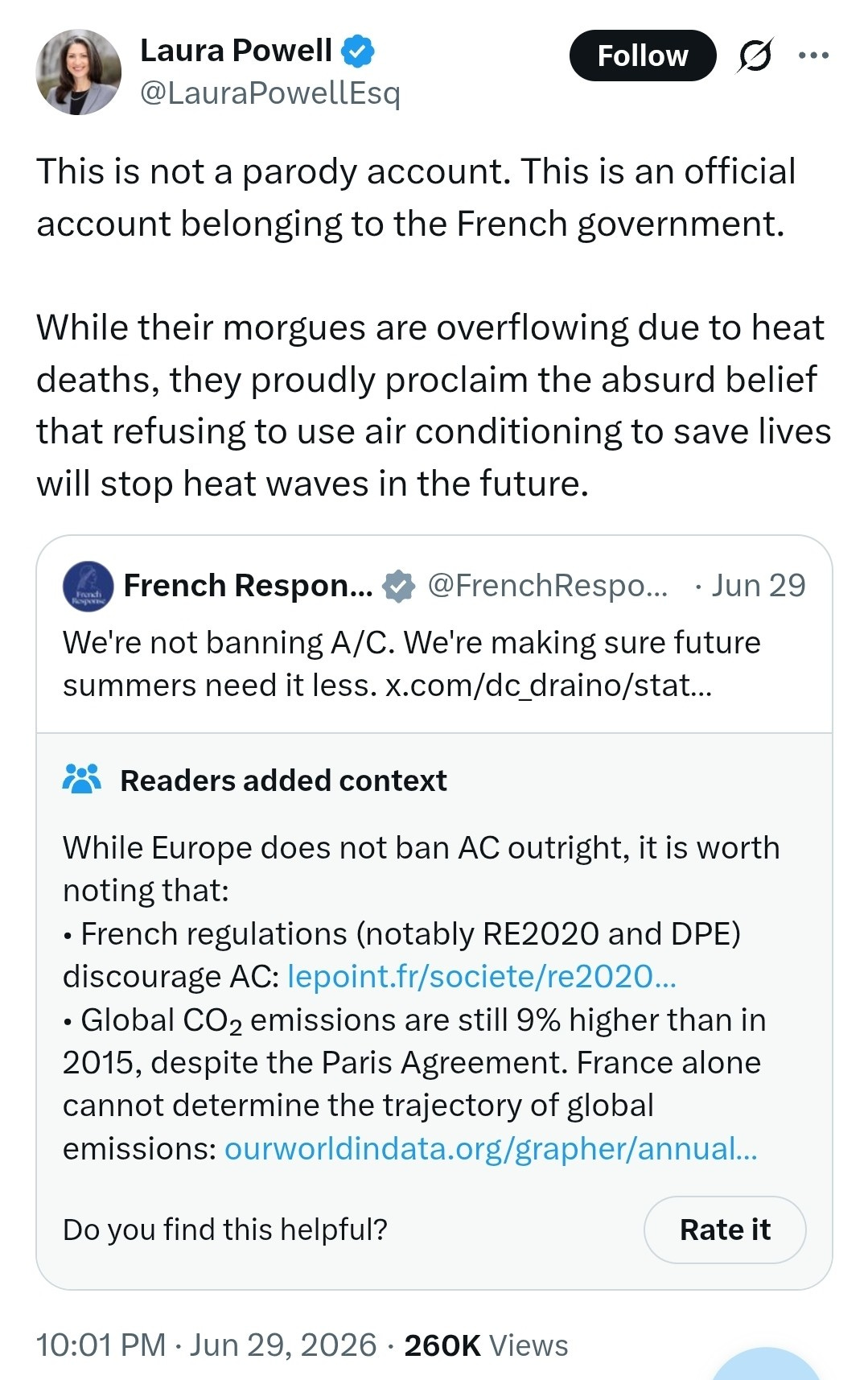
People in France are facing 39–40°C heatwaves. Millions do not have air conditioning. People are sleeping in parks, jumping into canals, cooling themselves in fountains. 55 people have drowned since the beginning of the heatwave.
And the government’s answer is:
“I am horrified by people who say we just need to put ACs everywhere.”
Horrified?
What kind of political class looks at people trying not to die from heat and calls basic cooling an environmental horror?
Air conditioning is not a luxury during lethal heat. It is survival.
Europe spent years lecturing the world about climate morality, banning, taxing, restricting, and moralizing everything.
But when its own people need cooling, suddenly the answer is not infrastructure, not affordable energy, not adaptation — but guilt.
This is not environmentalism, but elite cruelty with a green label.
Commissioners keep their air conditioning. Ordinary staff sweat. French households scramble for fans. People drown trying to cool themselves. And politicians still dare to say more cooling is not the answer.
Then what is the answer?
Let ordinary people bake quietly so Europe can feel morally superior?
China installs air conditioning in pig pens. Europe debates whether human beings deserve it.
That
is the difference between a civilization that builds capacity and a
continent that has turned decline into virtue-signaling.
Major LNG suppliers say the EU’s methane regulations are too burdensome to comply with and could lead to reduced gas supplies.
The
U.S. and Qatar contend that tracking methane emissions across complex
gas supply chains is technically difficult or impossible.
With
nearly 60% of its LNG imports coming from the U.S., the EU risks
straining relations with key suppliers as it pursues stricter climate
policies.
The
United States and Qatar have once again warned the European Union
against doubling down on climate policies seeking to penalize the LNG
industry, saying that if it continues on this course, the EU will face a
gas crunch and higher prices.
“There is no viable path to compliance with the regulation”, the top energy officials of the U.S. and Qatar, Chris Wright and Saad al-Kaabi, wrote in a letter quoted by the Financial Times. “Because
legal compliance remains paramount, exporters and importers alike are
unwilling to enter into contractual agreements that knowingly violate EU
law,” the U.S. energy secretary and the Qatari energy minister also wrote. “Significant supply and price impacts are a certainty.”
The
letter comes ahead of a meeting on Friday when the energy ministers of
EU member states will discuss the policies of the bloc. It was also
signed by two other large gas suppliers to the European Union, Algeria
and Nigeria, the FT also reported.
The so-called
methane regulation, adopted by the European Union two years ago, aimed
at reducing not only the bloc’s own emissions of the greenhouse gas that
constitutes almost 100% of natural gas but also forcing countries
outside the EU that do business with the bloc to cut their emissions as
well, notably gas suppliers.
The
regulation, starting this year, extends to all energy suppliers to the
EU, and these suppliers were anything but happy about it.
CBD
is a broad-spectrum therapeutic that is legally accessible and
affordable for most people, with beneficial health effects for nearly
everyone. When CBD is taken with the hundreds of other cannabinoids and
terpenes in hemp, the entourage effect increases synergy, although the
specific effects vary by variety and their relative proportions.
Be
careful that it doesn’t interact with your other medications, and
always seek professional medical advice. But for some of us, including
those with long-term neurological conditions or crippling arthritis, it
may be one of the few daily meds that you can take long-term without
serious side effects.
Remember
to decarb your hemp, store it away from moisture, air and light in a
fridge or freezer, take it with an oil carrier, and start with the
lowest dose to see how you respond before moving closer to the guideline
mg/d for your condition.
A pinch of pepper can also significantly
affect the impact of CBD and other medications, so keep this in mind
before driving, operating heavy machinery, etc.
I hope this Substack helps you get the most out of your stash and optimise your intake of its many beneficial cannabinoids.
***************
David Cowley University of Lincoln de : https://www.researchgate.net/profile/David-Cowley-10 My studies at the University of Hertfordshire included plant pathology, biochemistry, and genetics. I then transitioned to studying animal biochemistry and pathophysiology. Plant-based therapeutics link the two specialisms. Apart from co-writing, I write a BioMed literature review newsletter and discuss various topics: oncology, neurology, CVD, immunology, BioChem, and therapeutics: https://doorlesscarp953.substack.com/ Skills and Expertise Interferon Vaccines Immunochemistry Viral Immunology Oncology
Le texte ci-après a été publié dans le N° 84 du magazine TOP SECRET, qui tire à 30.000 exemplaires. Il a été écrit par Madame KVALTINOVA , dans une des langues étrangères qu'elle maitrise remarquablement bien : le français. Madame KVALTINOVA a choisi de vivre en FRANCE, parce que notre pays à la réputation d'y défendre les droits humains et de traiter les citoyens avec respect et dignité. Pourtant, à travers ce texte CE N'EST PAS VOUS QUI ĒTES FOU , elle nous apprend qu'elle connaît , pour les subir, les cruautés et la barbarie du HCR et du HCE * (1) Par ce texte, elle nous explique ce qu'elle en sait , pour aider les autres victimes et essayer d'avertir le grand public contre cette monstruosité qui est le sort au quotidien de ceux qu'on appelle du terme général d "individus ciblés" ou encore tout simplement "cibles" HARCÈLEMENT ÉLECTROMAGNÉTIQUE ET HARCÈLEMENT EN RÉSEAU: ce n’est pas vous qui êtes fou. ...
Copié de : https://www.cielvoile.fr/2021/04/jacques-attali-l-avenir-de-la-vie-1981-extrait.html? de Jacques Attali dans "L'avenir de la vie" 1981 - Extrait À l'avenir il s'agira de trouver un moyen de réduire la population. Nous commencerons par les vieux, car dès qu'il dépasse 60- 65 ans l'homme vit plus longtemps qu'il ne produit et il coûte cher à la société. Ensuite les faibles puis les inutiles qui n'apportent rien à la société car il y en aura de plus en plus, et surtout enfin les plus stupides.Une euthanasie ciblant ces groupes ; l'euthanasie devra être un instrument essentiel de nos sociétés futures, dans tous les cas de figure. On ne pourra bien sûr pas exécuter les gens ou faire des camps. Nous nous en débarrasserons en leur faisant croire que c'est pour leur bien. La population trop nombreuse, et pour la plupart inutile, c'est quelque chose d'économiquement trop coûteux. Sociétalement, il est également bien préfé...
De : https://www.globalresearch.ca/five-members-niger-junta-trained-us/5828919? Washington suspend certaines aides au Niger alors même qu'il envisage un soutien accru au putschiste militaire du Burkina Faso. Par Nick Turse Recherche mondiale, 15 août 2023 L'interce pt 10 août 2023 Les États-Unis ont formé au moins cinq membres de la nouvelle junte au pouvoir au Niger, a appris The Intercept. L'Amérique a maintenant " suspendu " l'aide à la sécurité de ce gouvernement dirigé par l'armée alors même qu'elle cherche à augmenter cette aide au Burkina Faso, qui est dirigé par un officier militaire qui a pris le pouvoir lors d'un coup d'État en 2022. La junte nigérienne, qui se fait appeler le Conseil national pour la sauvegarde de la patrie, a pris le pouvoir le 26 juillet et a détenu le président démocratiquement élu Mohamed Bazoum . Le commandant de la garde présidentielle du pays, le général Abdourahmane Tchiani , également...











Commentaires
Enregistrer un commentaire