Any
extracts used in the following article are for non-commercial research
and educational purposes only and may be subject to copyright from their
respective owners.
“Splendid
morning seascape of Adriatic sea. Sunny summer view of small beach in
famous resort - Brela, Croatia, Europe. Beautiful world of Mediterranean
countries.” By Andrew Mayovskyy
“By
manipulating her cells at a genetic level, Anais Gaia (RoboCop: Alpha
Commando) can also control her telomeres, aging and de-aging herself at
will. Power/Ability to: manipulate telomeres.”https://powerlisting.fandom.com/wiki/Telomere_Manipulation
Human
diploid cells can proliferate a limited number of times in cell
culture. Once they reach the “Hayflick limit”, they undergo
morphological and biochemical changes that eventually lead to arrest of
cell division and a transition to the senescent state.
Sensescent
cells of the SASP phenotype (Senescence-Associated Secretory Phenotype)
are marked by a complex, toxic, cancer-promoting mix of inflammatory
cytokines, chemokines, and growth factors.
Telomeres normally shorten with each round of cell division, bringing the cell ever closer to the Hayflick limit.
However, this process may be reversed by an enzyme called telomerase.
The process may be slowed or even reversed by modifying our diet and lifestyle in order to better support telomerase activity.
Other
factors affecting telomere health include our well-being, oxidative
stress, inflammation, metabolism, DNA repair, toxins, calorific load,
and our microbiome.
Part 1 reviewed the literature and clinical trial reports supporting the positive role of vitamin D in telomere health.
The mother’s health, vitamin D status, and telomere status are also reflected in the newborn, with lifelong implications.
Part
2 continues the discussion and reviews the effects of other vitamins,
minerals, and agents on telomere status—both good and bad.
2.0 Discussion
Emphasis is mine in bold, and some passages are lightly reformatted for legibility.
2.1 The association between therapeutics and telomere length (continued)
B12
deficiency is associated with telomere shortening. This is thought to
be due, in part, to elevated serum homocysteine levels and the
generation of reactive oxygen species (ROS), which lead to DNA damage.
Folate (vitamin B9) deficiency serves as a critical, indirect functional
marker for B6 and B12 deficiencies, due to their interconnected roles
in one-carbon metabolism, often referred to as the "folate trap”.
From “The Relationship Between Vitamin B12 and Telomere Length: A Systematic Review“ (2023) by Yıldırım & Ekici:1
… The Role of Vitamin B12 in Telomere Length
The
regulation of telomere length and mitochondrial DNA structure involves
epigenetic mechanisms, namely methylation and histone modifications.
These epigenetic processes can be influenced by dietary micronutrients,
including vitamin B12 (Ma et al., 2019). Vitamin B12 is an essential
cofactor required for two enzymatic reactions in the human body.
One
important aspect is that vitamin B12 serves as a cofactor in the
remethylation process of homocysteine to methionine, which is
facilitated by the enzyme methionine synthase.
On the other hand,
vitamin B12 is the cofactor for the isomerization of methylmalonyl CoA
to succinyl CoA by the enzyme methylmalonyl CoA mutase (Pusceddu et al.,
2019). Figure 2 shows the reactions related to the recruitment of
vitamin B12 as a cofactor.
Homocysteine
due to its role in one-carbon metabolism; folate is
considered a functional marker of vitamin B6 and B12 availability.
The inadequate presence of any of these vitamins might impede the
process of homocysteine detoxification, resulting in
hyperhomocysteinemia.
This condition can lead to an imbalance in oxidative reactions and an elevated production of reactive oxygen species (ROS),
including peroxides and free radicals. ROS has the capability
to induce detrimental effects on DNA, such as causing
damage to DNA bases, breaking DNA strands, and hastening
the process of telomere shortening (Herrmann and Herrmann, 2022).
In
a cross-sectional study evaluating the relationships between
telomere length and serum folate, vitamin B12 and homocysteine;
Serum homocysteine levels due to low-grade systemic inflammation and the
presence of adequate folate and vitamin B12 were found to be inversely
related to leukocyte telomere length.
The research further
proposed the maintenance of circulating homocysteine and
C-reactive-protein (CRP) levels within the range of normal values as a
potential strategy for postponing biological aging in individuals
who are in good health (Herrmann and Herrmann, 2022).
It has been
shown that plasma folate and vitamin B12 levels in elderly individuals
may affect the integrity of the mitochondrial genome, telomere
length, and epigenetic regulation of telomere length through DNA
methylation (Chou et al., 2007).
Plasma folate and vitamin B12
levels may influence aging by stabilizing telomere length and
mitochondrial DNA copy number. (Praveen et al., 2020).
According
to the findings of Pusceddu et al. (2019), individuals
exhibiting either a deficiency or an excess of vitamin B12
display certain features that are linked to increased death rates when compared to those individuals with intermediate levels of vitamin B12.
Insufficient
vitamin B12 levels and hyperhomocysteinemia appear to be
associated with overall DNA methylation and telomere length.
DNA methylation (DNAm)
acts as an “epigenetic clock” that tracks biological ageing, generally
showing increased hypermethylation at specific gene promoters and
overall hypomethylation with age. Overall, DNA methylation levels
decline with age, and this is associated with genomic instability and
telomere shortening.
“… Two people, blue and red, born
at the same time, will always share the same chronological age (gray
arrow timeline measured in years). However, because of genetic,
epigenetic, and environmental factors and lifestyle choices, they may
progress through the functional decline that characterizes biological
aging at different rates.”
“Figure 3. Chronological versus Biological Age and Their Assessment by Methylation Clocks
(A) Two people, blue and red, born at the same time, will always share
the same chronological age (gray arrow timeline measured in years).
However, because of genetic, epigenetic, and environmental factors and
lifestyle choices, they may progress through the functional decline that
characterizes biological aging at different rates. Shown here, red ages
biologically more quickly than blue, likely associated with earlier
onset of lethal disease. As illustrated, in early life, red and blue are
assumed to have the same biological age. (B) By definition, a perfect
chronological clock (left), whether based on DNA methylation or any
other molecular parameter, measures time elapsed since birth. Therefore,
it cannot distinguish between individuals that biologically age fast
(red) or slow (blue). In contrast, a biological clock (center) can
distinguish between unhealthy (red) versus healthy (green) aging but is a
less accurate chronological clock. A hybrid clock (right) tracks
closely with chronological age, but deviation from the position of the
45 perfect chronological clock is a reflection of biological age.
However, the hybrid clock is likely a less accurate predictor of age and
disease than a bona fide biological clock. The human clocks calibrated
against chronological age are likely hybrid clocks (Hannum et al., 2013;
Horvath, 2013; Weidner et al., 2014). The colors of the filled circles
indicate the donor, red or blue, from (A).” https://www.cell.com/molecular-cell/pdf/S1097-2765(18)30642-7.pdf
A clinical study from 2016 helps to support the findings of the previous paper:
Prospective
study of telomere length and LINE-1 methylation in peripheral blood
cells: the role of B vitamins supplementation (2016)
Abstract
Purpose: Deficiencies
of folate, vitamins B12 and D are common age-related conditions.
Vitamin B12 and folate are necessary for DNA methylation. Telomeres
appear to be regulated by DNA methylation. Here, we study the effect of B
vitamins supplementation on telomere length and global DNA methylation
in a prospective study.
Methods: In
total, 60 elderly subjects were supplemented for 1 year with either
vitamin B12, B6, folate, vitamin D and calcium (group A n = 31) or only
vitamin D and calcium (group B n = 29). LINE-1 methylation, relative
telomere length (T/S), vitamin B12, folate, homocysteine (tHcy) ,
5-methyltetrahydrofolate (5-methylTHF), S-adenosylhomocysteine (SAH),
S-adenosylmethionine (SAM), cystathionine and vitamin D were quantified
before and after supplementation.
Results:
… After supplementation in group B but not in group A, LINE-1
methylation correlated inversely with T/S, and LINE-1 methylation
variation was an independent predictor of T/S variation. B vitamins
decreased tHcy significantly in group A.
Multiple backward
regression analysis showed 5-methylTHF in group A and tHcy in group B
were significant predictors for LINE-1 methylation. At baseline, the
lower LINE-1 methylation observed in subjects with 5-methylTHF >10
nmol/l was in agreement with a reduced methyl group transfer due to a
lower SAM formation. In group B, an increase in telomere length was
correlated with lower LINE-1 methylation.
Subjects with
hyperhomocysteinemia >12 µmol/L had compared to those with normal
tHcy a reduced LINE-1 methylation accompanied by a higher SAM and SAH
(that inhibits demethylation of SAM) as well as lower 5-methylTHF.
Additionally, subjects with tHcy > 12 µmol/L had longer telomeres
when compared with subjects having tHcy < 12 µmol/L.
Conclusions: The results suggest a possible effect of B vitamins for telomere biology in blood cells. Suboptimal B vitamins status and hyperhomocysteinemia are associated with altered DNA methylation and telomere length. These data have to be confirmed in future studies.
Subclinical
inflammation, telomere shortening, homocysteine, vitamin B6, and
mortality: the Ludwigshafen Risk and Cardiovascular Health Study (2019)
Abstract
Purpose
Short
telomeres and B vitamin deficiencies have been proposed as risk factors
for age-related diseases and mortality that interact through oxidative
stress and inflammation. However, available data to support this concept
are insufficient. We aimed to investigate the predictive role of B
vitamins and homocysteine (HCY) for mortality in cardiovascular
patients. We explored potential relationships between HCY, B vitamins,
relative telomere length (RTL), and indices of inflammation.
Methods
Vitamin
B6, HCY, interleukin-6 (IL-6), high-sensitive-C-reactive protein
(hs-CRP), and RTL were measured in participants of the Ludwigshafen Risk
and Cardiovascular Health Study. Death events were recorded over a
median follow-up of 9.9 years.
Results
All-cause mortality
increased with higher concentrations of HCY and lower vitamin B6.
Patients in the 4th quartile of HCY and vitamin B6 had hazard ratios
(HR) for all-cause mortality of 2.77 (95% CI 2.28–3.37) and 0.41(95% CI
0.33–0.49), respectively, and for cardiovascular mortality of 2.78 (95%
CI 2.29–3.39) and 0.40 (95% CI 0.33–0.49), respectively, compared to
those in the 1st quartile.
Multiple adjustments for confounders did not change these results. HCY and vitamin B6 correlated with age-corrected RTL (r = − 0.086, p < 0.001; r = 0.04, p = 0.031, respectively), IL-6 (r = 0.148, p < 0.001; r = − 0.249, p < 0.001, respectively), and hs-CRP (r = 0.101, p < 0.001; r = − 0.320, p < 0.001, respectively).
Subjects
with the longest telomeres had a significantly higher concentration of
vitamin B6, but lower concentrations of HCY, IL-6, and hs-CRP. Multiple
regression analyses identified HCY as an independent negative predictor
of age-corrected RTL.
Conclusions
In conclusion,
hyperhomocysteinemia and vitamin B6 deficiency are risk factors for
death from any cause. Hyperhomocysteinemia and vitamin B6 deficiency
correlate with increased mortality. This correlation might, at least
partially, be explained by accelerated telomere shortening induced by
oxidative stress and systemic inflammation in these circumstances.
Drinking
the odd pint of beer can provide “substantial levels” of an essential
brain-boosting vitamin in your diet, according to new research in a
respected journal, external.
The vitamin B6 is good for the brain, blood and immune system and is found in a wide variety of foods.
A
beer “serving” might meet around 15% of your daily B6 requirement, the
authors say, and even alcohol-free lager could have the same effect.
Many
of the raw ingredients used to make beer, including barley, wheat and
brewer’s yeast, contain vitamin B6 and the brewing process doesn’t kill
it all off, research suggests.
B6 is an essential nutrient that we
get through food. Good sources of B6 are meat and fish, but it’s also
present in other foods, including porridge oats, potatoes and chickpeas.
Many breakfast cereals have added B6 too.
Being truly deficient
in B6 is rare, although sometimes levels can be a bit low, often
alongside a lack of other B vitamins, such as B12, which can leave you
feeling tired and nauseous.
The study, which tested 65 different beers bought from local supermarkets in Germany, found:
Bock beer had the highest B6 content followed by lagers, dark lagers, and wheat beers
Rice beers had the least B6 content
Non-alcoholic
beers with their ethanol removed after full fermentation had higher
vitamin B6 levels than those made using yeasts that produce less ethanol
An average lager in the study provided 20% of recommended dietary allowance for vitamin B6
One of the non-alcoholic lagers they tested provided nearly 59%
Men
need about 1.4mg a day and women 1.2mg of vitamin B6, according to the
NHS. A litre of beer can contain anywhere between 0.3mg and 1mg, the
research suggests.
If you stick within recommended alcohol limits,
that’s not enough for regulators to allow you to put a sticker on the
front of a bottle hailing its vitamin content, but it’s still a
measurable amount, says study author Prof Michael Rychlik.
The findings are useful “only for consumers who want to optimise their vitamin intake”, he adds.
Higher dietary intake of vitamin K is statistically positively associated with telomere length:
Association between dietary vitamin K and telomere length: Based on NHANES 2001 to 2002 (2024)
Abstract
As
an anti-inflammatory and antioxidant, vitamin K has the potential to
reduce telomere attrition. However, the correlation between dietary
vitamin K and telomere length (TL) has not been reported. We aimed to
investigate the association between these 2 variables.
This study included 3754 participants
from the National Health and Nutrition Examination Survey 2001-2002
database. We used multivariate linear regression and restricted cubic
splines to assess the relationship between dietary vitamin K intake and
TL.
Subgroup analyses and interaction tests were
utilized to examine the stability of the results. After adjusting for
all variables, each unit increase in daily dietary intake of vitamin K lengthened telomeres by 0.22 base pairs (β = 0.22, 95% CI: 0.09-0.36, P = .001).
Individuals with the highest dietary vitamin K intake had significantly longer TL
(β = 80.27, 95% CI: 20.83-139.71, P = .008). Subgroup analyses
suggested that this association persisted in populations stratified by
gender, age, diabetes, cardiovascular disease (CVD), body mass index and
total energy intake (P for interaction > .05).
A
linear relationship between dietary vitamin K intake and TL was observed
in restricted cubic splines (P for nonlinear = .554). In conclusion,
our findings suggest that dietary vitamin K intake is positively
associated with TL, providing recent evidence to guide the management of
healthy diets.
… Figure 2.
Restricted cubic splines for the association between dietary vitamin K intake and telomere length.
5. Conclusion
Dietary
vitamin K intake was linearly and positively correlated with TL. This
study provides a new perspective on the dietary management of aging and
aging-related diseases. Further prospective studies are required to
demonstrate a causal relationship.
A
cross-sectional data study from 2023 showed that vitamin C was
positively correlated with telomere length, and they discuss some of the
potential mechanisms:
Association between dietary vitamin C and telomere length: A cross-sectional study (2023)
Abstract
Background
Currently,
telomere length is known to reflect the replication potential and
longevity of cells, and many studies have reported that telomere length
is associated with age-related diseases and biological aging.
Studies have also shown that vitamin C acts as an oxidant and free radical scavenger
to protect cells from oxidative stress and telomere wear, thus
achieving anti-aging effects. At present, there are few and incomplete
studies on the relationship between vitamin C and telomere length, so
this study aims to explore the relationship between vitamin C and
telomere length.
Methods
This study used
cross-sectional data from the National Health and Nutrition Examination
Surveys (NHANES) database from 1999 to 2002, a total of 7,094 participants
were selected from all races in the United States. Male participants
accounted for 48.2% and female participants accounted for 51.8%.
The
correlation between vitamin C and telomere length was assessed using a
multiple linear regression model, and the effect of dietary vitamin C on
telomere length was obtained after adjusting for confounding factors
such as age, gender, race, body mass index (BMI), and poverty income
ratio (PIR).
Results
This cross-sectional study showed that vitamin C was positively correlated with telomere length, with greater dietary vitamin C intake associated with longer telomeres (β = 0.03, 95% CI: 0.01–0.05, P = 0.003).
Conclusion
This
study shows that vitamin C intake is positively correlated with human
telomere length, which is of guiding significance for our clinical
guidance on people’s health care, but our study need to be confirmed by
more in-depth and comprehensive other research results.
FIGURE 2.
The curve fitting of leukocyte telomere length (LTL) and vitamin C.
FIGURE 3.
The scatter plot of leukocyte telomere length (LTL) and vitamin C.
…
In this study, after adjusting for multiple linear regression and
confounding factors, dietary vitamin C intake was positively correlated
with LTL. We found that when model 2 adjusted for covariates including
BMI and diabetes prevalence, the correlation significance decreased,
while when model 3 added other covariates, the correlation significance
increased.
It suggests that vitamin C may influence
telomere length through a number of potential pathways, and the
following studies can explain the association found. Previous studies
have shown that vitamin C activates telomerase activity, so that the shortened DNA sequence can be repaired to a certain extent.
Fraga et al. (15) pointed out that ascorbate can prevent DNA damage in cells with high proliferation and differentiation ability.
… In fact, telomerase is rarely expressed or not very active in most normal cells, which is not conducive to maintaining a proper range of telomere length (16). The shortening of LTL also means that the cell proliferation ability is reduced, that is, cell senescence (17).
Tsoukalas et al. (18) used a natural telomere activator that contains vitamin C and found an increase in telomerase expression in the brains of mice; The study of Wei et al. (19). Also proved that vitamin C can increase human telomerase activity.
Although the specific mechanism by which vitamin C can improve telomerase activity is not clear, which may be related to the increased expression of enzyme modified proteins,
there is a possibility that vitamin C can prolong the shortened DNA
sequence after cell division by increasing telomerase activity.
A
statistical analysis of 10,568 participants in a study in the USA from
1999-2001 found a positive correlation between mineral and vitamin
consumption and telomere length:
Mineral and vitamin consumption and telomere length among adults in the United States (2017)
Abstract
INTRODUCTION
Shorter
leukocyte telomere length (TL) is associated with several chronic
diseases, but only a few studies have assessed the associations of
dietary components and dietary patterns with TL in adults in the United
States (US).
OBJECTIVES
This study was aimed to determine the relation of dietary components and dietary patterns with TL among adults in the US.
PATIENTS AND METHODS
National
Health and Nutrition Examination Survey (NHANES) participants with data
on dietary intake and TL measures from 1999 to 2001 were included.
Daily intakes of 60 nutrients and bioactive compounds
were calculated for each participant. Factor analysis, followed by a
varimax rotation, was applied to derive the major nutrient patterns. All
statistical analyses accounted for the survey design and sample
weights.
RESULTS
Of
the 10 568 eligible participants, 48.0% (n = 5020) were men; the mean
age was 44.1 years. Mean (adjusted for sex, age, and race) dietary
intakes of carbohydrate, dietary fiber, total folate, vitamin B6,
magnesium, iron, copper, polyunsaturated fatty acids 22:5, and vitamin C
monotonically increased across TL quarters (P <0.05 for all), while total fat and caffeine decreased across TL quarters (P <0.05 for all).
Three
food patterns together explaining 56.8% of the variance of the dietary
nutrient consumption were identified. We found that the second food
pattern, which was a representative of minerals and vitamins,
monotonically increased across TL quarters and had a positive
association with TL.
CONCLUSIONS
Higher mineral and vitamin consumption is associated with longer telomeres among adults in the US.
…
An American cross ‑sectional study24 reported an inverse association
between food groups and 2 different dietary patterns (fats and processed
meat, whole grains and fruit). Inflammation and oxidative stress have
been proposed as a possible explanation for the observed association
between fat intake and the shortening of TL.25‑27 Chan et al28 reported
an inverse association between TL and the intake of fats and oils in
elderly Chinese women. The oils used were reported to be mainly maize
and peanut oils, which are rich in MUFAs and PUFAs. We also found
an inverse association between MUFAs and TL.
Correlations
with polyunsaturates and monounsaturates (e.g., olive oil) are less
clear and more inconsistent across studies. This may, in part, be due
to long-term PUFA intake, which is associated with ROS formation,
complicating the findings.
Healthwise, from better to worse,
long-term data tend to suggest animal Omega-3s (n-3)>saturated
fats>MUFAs>PUFAs (e.g. linoleic acid, a plant-sourced omega-6,
n-6, polyunsaturated fatty acid).
The increasing
dietary intakes of PUFA 22:5 across TL quarters in our study are
at variance with findings from other published studies. A large cross
‑sectional study comprising control subjects of the Nurses’ Health Study
found a high PUFA intake, and especially a high intake of linoleic acid, to be inversely associated with TL.16 The same study, however, found no association between n ‑3 fatty acids, total fatty acids, and SFAs or MUFAs and TL.16
We
found the food pattern comprising minerals and vitamins to be
positively associated with TL in adjusted models. Moreover, intakes of dietary fiber, total folate, vitamin B6 , magnesium, iron, copper, and vitamin C also increased across the quartiles of TL.
Our results are in line with recent findings by Marcon et al17 that a high intake of vegetables is positively associated with TL. Moreover, in a very recent meta‑‑analysis, Rafie et al29 reported the positive association of fruits or vegetables with TL.
Antioxidants, found in abundance in vegetables and fruits, seem to protect telomeres from attrition.30,31
However, several studies reported opposite findings. In a case‑control study conducted in Poland, which involved cancer patients
aged 62 years or older and healthy controls, TL decreased with
decreasing fruit intake in both groups, but not with vegetable intake.9
An association
between fruit and vegetable intake and TL was not found either in
a large cross‑sectional study assessing fruit and vegetable intakes
combined15 or in studies assessing fruit and vegetable intakes
separately.24,28
A large Belgian cross‑sectional study also
found no association between TL and fruit and vegetable intake
(combined), but when a low fruit and vegetable intake was assessed as part of an unhealthy lifestyle score, a positive association was found.15
Rafie et al29 supported the health benefits of adherence to Mediterranean diet for TL;
furthermore, it has been indicated that specific food groups including
processed meat, cereals, and sugar‑sweetened beverages may be related
with shorter TLs.29
Available studies have also reported inconsistent associations between coffee consumption and TL.5,32 In an intervention study comprising 40 patients with chronic hepatitis C, TL
was found to be significantly longer in patients during
the experimental period of consuming 4 cups of coffee per day for 30
days.32
A cross‑‑sectional study
found no significant association between coffee consumption and TL in
840 white, black, and Hispanic participants of the Multi ‑Ethnic Study
of Atherosclerosis24; however, the focus of the study was not specifically on coffee but on dietary patterns and food groups. On the other hand, the Nurses’ Health Study16 found an inverse relationship between caffeine and TL in women.
Some
explanations have been proposed for contradictory findings of different
studies regarding the effects of dietary pattern on TL. TL is
controlled by genetic and inherent variances
and the handful of available studies has been conducted in different
countries with divergent ethnicities, which might have restricted
the capability to detect relations between TL and dietary
components.29,33 The divergent findings may have also resulted from differences in cooking procedures and amounts of foods used.
A cross-sectional analysis from 2009 found a positive correlation between multivitamin use and telomere length in women:
Multivitamin use and telomere length in women (2009)
Abstract
Background: Telomere
length may be a marker of biological aging. Multivitamin supplements
represent a major source of micronutrients, which may affect telomere
length by modulating oxidative stress and chronic inflammation.
Objective: The objective was to examine whether multivitamin use is associated with longer telomeres in women.
Design: We
performed a cross-sectional analysis of data from 586 early
participants (age 35-74 y) in the Sister Study. Multivitamin use and
nutrient intakes were assessed with a 146-item food-frequency
questionnaire, and relative telomere length of leukocyte DNA was
measured by quantitative polymerase chain reaction.
Results: After age and other potential confounders were adjusted for, multivitamin use was associated with longer telomeres. Compared
with nonusers, the relative telomere length of leukocyte DNA was on
average 5.1% longer among daily multivitamin users (P for trend =
0.002).
In the analysis of micronutrients, higher intakes of vitamins C and E
from foods were each associated with longer telomeres, even after
adjustment for multivitamin use. Furthermore, intakes of both nutrients
were associated with telomere length among women who did not take
multivitamins.
Conclusion: This
study provides the first epidemiologic evidence that multivitamin use is
associated with longer telomere length among women.
FIGURE 1.
Least-squares
mean (±SE) telomere length according to the frequency of multivitamin
use. Generalized linear models were used in the analysis, adjusted for
age, race, BMI, education, cigarette smoking, presence of diabetes or
cardiovascular diseases, energy intake, perceived stress level,
self-reported health status, and physical activity. Numbers within the
bars represents the sample size for each exposure group.
A more recent study also linked multivitamin use to protection against oxidative stress-associated shortening:
A Multivitamin Mixture Protects against Oxidative Stress-Mediated Telomere Shortening (2023)
…
Numerous lifestyle factors have been identified that impact the rate of
telomere shortening; high vitamin consumption has been associated with
longer telomere length, whereas oxidative stress is associated with
telomere shortening.
In this paper, we sought to determine if a multivitamin mixture containing both vitamins and a blend of polyphenolic compounds, could reduce telomere shortening consequent to an oxidative stress (10 uM H2O2 for 8 weeks) in a primary fibroblast cell culture model.
Under conditions of oxidative stress, the median and 20th percentile telomere length were significantly greater (p < 0.05), and the percentage of critically short telomeres (<3000 bp) was significantly less (p < 0.05) in cells treated with the multivitamin mixture at 4, 15 and 60 ug/ml compared to control (0 ug/ml).
Median and 20th percentile telomere shortening rate was also reduced under the same conditions (p < 0.05). Taken
together, these findings demonstrate that the multivitamin mixture
protects against oxidative stress-mediated telomere shortening in cell
culture, findings which may have implications in human health.
Multivitamins really show their worth during periods of oxidative stress:
Results
Median telomere length
In
the absence of an oxidative stress (i.e. standard conditions), the
multivitamin mixture did not impart of a discernable, consistent effect
on the median telomere length at any of the concentrations evaluated
throughout the 8-week study (Figure 1).
Although compared to
controls (0 ug/ml multivitamin mixture) the telomere shortening was
reduced in cells treated with 1 ug/ml and 15 ug/ml multivitamin mixture
after 2 weeks (Figure 1A), and telomere shortening was increased in
cells treated with 250 ug/ml multivitamin mixture after 8 weeks (Figure
1D), these effects were not observed consistently throughout the
duration of the experiments.
In contrast, the
multivitamin mixture consistently reduced the median telomere shortening
in cells exposed to an oxidative stress (Figure 2). In particular, the multivitamin mixture at 4 ug/ml, 15 ug/ml and 60 ug/ml significantly (p < 0.05)
reduced the magnitude of telomere shortening after 4, 6 and 8 weeks of
exposure to the oxidative stress. The multivitamin mixture also reduced
telomere shortening at 250 ug/ml after 4 weeks of treatment (p < 0.05), but this effect was not observed at any other time point.
Figure 1. Median
telomere shortening in cells under standard conditions after 2 weeks
(A), 4 weeks (B), 6 weeks (C) and 8 weeks (D). Aalthough statistically
significant differences in the magnitude of median telomere shortening
was observed at multivitamin concentrations of 1 ug/ml and 15 ug/ml
after 2 weeks, and 250 ug/ml after 8 weeks, there was no consistent
pattern indicative of a persistent multivitamin treatment effect.
Positive values on the y-axis indicate increased, while negative values
indicate decreased telomere length. Tukey box plots: boxes contain the
median value and inter-quartile range (IQR); whiskers contain the
farthest data points within 1.5X the IQR. * p < 0.05 compared with control (0 ug/ml).
Figure 2. Median
telomere shortening in cells exposed to oxidative stress for 2 weeks
(A), 4 weeks (B), 6 weeks (C) and 8 weeks (D). the multivitamin
concentration at 4 ug/ml, 15 ug/ml and 60 ug/ml significantly reduced
the rate of telomere shortening after 4 weeks, 6 weeks and 8 weeks. A
significant reduction in telomere shortening was also observed in cells
treated with 250 ug/ml multivitamin mixture after 4 weeks.
Positive values on the y-axis indicate increased, while negative values
indicate decreased telomere length. Tukey box plots: boxes contain the
median value and inter-quartile range (IQR); whiskers contain the
farthest data points within 1.5X the IQR. * p < 0.05, ** p < 0.0001 compared with control (0 ug/ml).
…
In this work, we have shown that a multivitamin mixture significantly
reduced oxidative stress-mediated telomere shortening rate in a cell
culture model.
Although we speculate that the
protective effects of the multivitamin mixture are mediated through the
antioxidant properties of specific vitamins (i.e. vitamin C, vitamin E),
the effects of vitamins acting as co-enzymes or substrates in pathways
necessary in the maintenance of DNA integrity – for example, niacin as a
precursor of NAD needed for DNA repair (Berger and Sikorski Citation1980), or vitamin C as a key component and regulator of DNA methylation pathways that promote genome stability (Brabson et al. Citation2021) also merit consideration.
Further
research on the role of vitamins – including their antioxidant and
non-antioxidant functions – will be instrumental not just in defining
the specific biochemical functions of vitamins, but also in defining the
necessity of consuming vitamins in the diet in order to optimize human
health.
This study found that LTL was positively associated with vitamin C, folate, and potassium intake of the participants:
Longitudinal associations between micronutrient consumption and leukocyte telomere length (2017)
Abstract
Background: There
are few studies on the association between nutrient intake and telomere
length, which may reflect cumulative oxidative stress and indicate
biological ageing. In the present study, we evaluated longitudinal
associations between the consumption of micronutrients, including
antioxidant nutrients and B vitamins involved in one-carbon transfer
pathways, and leukocyte telomere length (LTL).
Methods: The study included 1958 middle-aged and older Korean men and women (age range at baseline: 40-69 years)
from a population-based cohort. We collected dietary information at
baseline using a semiquantitative food frequency questionnaire (June
2001 to January 2003) and assessed the consumption of micronutrients,
including vitamins A, B1 , B2 , B3 , B6 , B9
(folate), C and E, as well as calcium, phosphorus, potassium, iron and
zinc. We measured LTL using a real-time polymerase chain reaction at the
10-year follow-up examination (February 2011 to November 2012).
Results: In the multiple regression model adjusted for potential confounders, LTL
was positively associated with the consumption of vitamin C (P <
0.05), folate (P = 0.05) and potassium (P = 0.05) in all participants.
In the age-stratified analysis, the association between the consumption
of vitamin C (P < 0.01), folate (P < 0.05) and potassium (P <
0.05) with LTL was significant only among participants aged <50
years.
Conclusions: Our findings suggest that the earlier consumption of vitamin C, folate and potassium, which are abundant in fruitsand vegetables, can delay biological ageing in middle-aged and older adults.
This
study linked plant-sourced antioxidants and C intake to LTL, with the
prevention of strokes being a prime motivation for the research.
Eggs
are an excellent source of lutein, zeaxanthin, β-cryptoxanthin,
canthaxanthin, lycopene, α- and γ-tocopherol, α- and β-carotene, and
retinol, although amounts vary according to the hen’s diet.
Association
between higher plasma lutein, zeaxanthin, and vitamin C concentrations
and longer telomere length: results of the Austrian Stroke Prevention
Study (2014)
Abstract
Objectives: To
examine the association between plasma concentrations of antioxidative
micronutrients and leukocyte telomere length (LTL) in elderly adults.
Design: Cross-sectional cohort study.
Setting: Austrian Stroke Prevention Study, a population-based cohort study on brain aging.
Participants: Individuals with a mean age of 66 ± 7 (n = 786; 58% female).
Measurements: Concentrations
of vitamin C, lutein, zeaxanthin, β-cryptoxanthin, canthaxanthin,
lycopene, α- and γ-tocopherol, α- and β-carotene, and retinol in plasma,
advanced oxidation protein products as a measure of oxidative stress in
serum, and LTL were measured. Vitamins and carotenoids were measured
using high-performance liquid chromatography, advanced oxidation protein
products using spectrophotometry, and telomere length using
quantitative real-time polymerase chain reaction.
Results: Multiple
linear regression analyses with adjustment for age and sex demonstrated
that higher lutein, zeaxanthin, and vitamin C concentrations were
strongly associated with longer telomere length. The associations were
independent of body mass index, maximum oxygen uptake, and vascular risk
factors and were not mediated by advanced oxidation protein products
content.
Conclusion: This study provides first evidence that higher lutein, zeaxanthin, and vitamin C concentrations in plasma are associated with longer LTL in normal elderly persons and suggest a protective role of these vitamins in telomere maintenance.
Conclusion and Implications
The
findings of a strong association between the antioxidative
micronutrients Lu∼Zx, vitamin C, and LTL may have important preventive
implications. LTL shortening is associated with advancing age and with
age-related diseases such as stroke, diabetes mellitus, cardiovascular diseases, and cancer.
If
these associations are causal, one might assume that Lu∼Zx– and vitamin
C–related LTL protection has the potential to prevent or modify the
course of numerous widespread diseases that are among the major
contributors to mortality and morbidity in aging societies.
Vitamin
A was found to demonstrate the most significant inverse correlation
with telomere attrition in this study of Japanese female university
students:
Association between nutrient intake and telomere length in Japanese female university students (2021)
Abstract
Objective: Telomere
length can be a biomarker of cumulative oxidative stress and
inflammation indicating biological aging. Previous studies examined
association of nutrient intake with telomere length targeting
middle-aged and elderly individuals. This study examined whether dietary
macro- and micronutrient intake was associated with telomere length in
young females.
Methods: Seventy-four
Japanese young females (median (interquartile range) age was 19 (19 -
20) years) participated. We estimated their intake of nutrients (energy,
protein, fat, carbohydrate, essential elements, vitamins, fatty acids,
and dietary fibre) using a semi-quantitative food frequency
questionnaire and measured telomere length (T/S ratio, the ratio of
telomere repeat copy number (T) to single-copy gene number (S)) of DNA
extracted from blood by qPCR. The association between telomere length
and tertiles of nutrient intake were analysed.
Results: The median (interquartile range) of telomere length was 0.70 (0.52 - 0.98). Vitamin A intake was positively associated with telomere length
(tertile 1 vs. 2, coefficient [95% confidence interval] = 0.42 [0.12,
0.71]; tertile 1 vs. 3, coefficient [95% confidence interval] = 0.33
[0.04, 0.62]) after adjusting for covariates (age, BMI, passive smoking,
and drinking).
Conclusions: Our findings suggest that variation in vitamin A intake might influence telomere attrition in healthy individuals.
In
this study, nutraceutical supplements demonstrated efficacy. It looks
like they used a good stack, apart from the 400 mg of linoleic acid.
Although we need some in our diet, most of us already have far too much
due to the food industry’s obsession with seed and vegetable oils.2
Association of nutraceutical supplements with longer telomere length (2019)
…
. In this study, we evaluated the effects of a combination of
nutraceutical supplements (NS) on telomere length (TL) in healthy
volunteers with no medical history of any disease.
Participants
(n=47) were selected from healthy outpatients visiting a private clinic
and were divided into the experimental group (n=16), that received the
NS and the control group (n=31). We estimated the length of single
telomeres in metaphase spread leukocytes, isolated from peripheral
blood, using quantitative-fluorescent in situ hybridization (Q-FISH) analysis.
The
length of the whole telomere genome was significantly increased
(P<0.05) for the mean, 1st quartile and median measurements in the
experimental group.
Similar findings were observed for short TL
(20th percentile) (P<0.05) for the median and 3rd quartile
measurements in the NS group, compared to the control group.
The
beneficial effects of the supplements on the length of short telomeres
remained significant (P<0.05) following adjustment for age and sex.
Telomeres were moderately longer in female patients compared to the
male patients. On the whole, the findings of this study suggest that the
administration of NS may be linked to sustaining the TL.
… Materials and reagents
One
capsule of My Health (Lumis Research SA) contains the following: Mix
Vitamin (ascorbic acid, vitamin E acetate 50% natural, niacin, vitamin
B1, vitamin K2 Mena Q7 0.2%, vitamin B6, β-carotene, vitamin B12 1%),
anti-caking agents (microcrystalline cellulose, mono- and diglycerides
of fatty acids, magnesium stearate and silica dioxide.
One drop of vitamin D (Pure D3, Natural Doctor) contains 2,000 IU vitamin D.
One capsule of Complete D3&K2 Cofactors (Natural Doctor) contains 2,000 IU vitamin D3, 100 µg K2 and 56 mg magnesium.
Two capsules of Omega 3-6-9 (Lumis Research SA) contain the following: 740 mg fish oil, 740 mg linseed oil, 740 mg borage oil (Borrgo officinalis
L.), 200 mg Krill oil, 370 mg alpha linolenic acid, 312,6 mg
eicosapentaenoic acid (EPA), 154,2 mg docosa-hexaenoic acid (DHA), 162,8
mg gamma linolenic acid (GLA), 400 mg linoleic acid and 273,8 mg oleic
acid.
Four capsules of My Antioxidant (Lumis Research SA)
contain the following: Mix Vitamin (ascorbic acid, calcium ascorbate,
ascorbyl palmitate, natural vitamin E acetate 50%, vitamin B3, vitamin
B12 1%, β-carotene, vitamin B5, vitamin B6, vitamin B2, vitamin B1,
folic acid, vitamin D3 biotin),
One capsule of My Probiotics (Lumis Research SA) contains the following: Lyophilized kefir grains, Lactobacillus casei (LMG-S27763), Lactobscillus reuteri (LMG S-27759), Bifidobacterium bifidum (B. bifidum; LMG S-27761), Lactobacillus acidophilus (LMG S-27762), inulin, acacia fiber and hydroxypropyl cellulose.
One scoop of My Gastro (Lumis Research SA) contains the following: 2,500 mg L-glutamine (Kyowa®) and 500 mg oligo fructose (FOS). One capsule of My Ubiquinol (Q10) (Lumis Research SA) contains 50 mg of ubiquinol.
Figure 2.
Telomere
length values (bases) for the whole telomere genome (TL) and the short
telomeres (TLS) (<20th percentile) in the nutraceutical supplements
group (NSG) and the control group (CG). Asterisks (*) indicate a
significant difference of P<0.05 between the groups, resulting from
linear regression analysis following adjustment for age and sex.
Figure 3.
Stacked
bar chart of grouped median telomere lengths (in bases) of the control
group (CG; light grey) and nutraceutical supplements group (NSG; dark
grey). Each bar corresponds to a 5% increment in the grouped median
telomere length. NSG group values tended to be higher in all studied
percentiles than the CG group. TL, telomere length.
Figure 4.
Position
of median TL in the nutraceutical supplements group (NSG) and control
group (CG) in the nomograms of TL vs. age. On each pair of numbers
located in chart, first number refers to age in years, second number
refers to TL in kb. Error bars refer to age and TL dispersion (2x
standard deviation). TL, telomere length.
Furthermore, as demonstrated in Fig. 5, and in more details in Table SI,
there were no significant differences in TL among the age groups
examined (P>0.500). P-values of TL vs. age were 0.964 for the 1st
quartile, 0.908 for the median and 0.537 for the 3rd quartile, while
P-values for TLS vs. age were 0.741 for the 1st quartile, 0.826 for the
median and 0.912 for the 3rd quartile.
Figure 5.
Box
plots graphs of TL and TLS among age groups using quartiles as length
indicators from all data [control group (CG) and nutraceutical
supplements group (NSG)]. The ○ symbol indicates an outlier. Asterisks
(*) indicate a significant difference of P<0.05 between the groups,
resulting from linear regression analysis following adjustment for sex
and nutrient supplements groups. TL, telomere length; TLS, short
telomere length.
This
systematic review looked at the impact of diet on the TL of children
and adolescents. As other studies have shown, a healthy diet is better
for their telomeres.
The Impact of Foods, Nutrients, or Dietary Patterns on Telomere Length in Childhood and Adolescence: A Systematic Review (2022)
… The five selected studies were cross-sectional and conducted in children and adolescents aged 2 to 18 years.
The
main results suggest that a higher consumption of fish, nuts and seeds,
fruits and vegetables, green leafy and cruciferous vegetables, olives,
legumes, polyunsaturated fatty acids, and an antioxidant-rich diet might
positively affect TL.
On the contrary, a
higher intake of dairy products, simple sugar, sugar-sweetened
beverages, cereals, especially white bread, and a diet high in glycaemic
load were factors associated with TL shortening.
Everything in moderation: White meat is better for you than red, whereas dietary fibre is protective:
Colonocyte telomere shortening is greater with dietary red meat than white meat and is attenuated by resistant starch (2012)
Abstract
Background & aims: Population studies indicate that greater red meat consumption increases colorectal cancer risk while dietary fibre is protective.
Previous work in rats showed that diets high in protein, including red
meat, increase colonocyte DNA strand breaks and that this effect is
attenuated by resistant starches (RS). Telomeres are long hexamer repeats that protect against spontaneous DNA damage which would lead to chromosomal instability.
Telomere
shortening is associated with greater risk of colorectal cancer. The
current study aimed to determine the effects of cooked red and white
meat intake on colonocyte telomere length in rats and whether dietary RS
modified their effects.
Methods: After
four weeks of feeding cooked beef or chicken at 15, 25 and 35% of diet
with or without RS, colonocyte telomere length was measured.
Results: Telomere
length decreased in proportion to red meat content of the diet. A
similar trend was observed in the white meat group. Colonocyte telomere
shortening due to increased dietary meat was attenuated by the inclusion
of RS.
Conclusion: These data
support previous findings of increased colonocyte DNA damage with
greater red and white meat intake and also the protective effect of
dietary fibre.
Nuts and seeds are, in general, beneficial for TL:
Consumption
of nuts and seeds and telomere length in 5,582 men and women of the
National Health and Nutrition Examination Survey (NHANES) (2017)
… Results
Nuts
and seeds intake was positively and linearly associated with telomere
length. For each 1-percent of total energy derived from nuts and seeds,
telomere length was 5 base pairs longer (F=8.6, P=0.0065). Given the
age-related rate of telomere shortening was 15.4 base pairs per year
(F=581.1, P<0.0001), adults of the same age had more than 1.5 years
of reduced cell aging if they consumed 5% of their total energy from
nuts and seeds.
Conclusions
Consumption of nuts and seeds accounts for meaningful decreases in biologic aging and cell senescence. The findings reinforce the recommendations of the 2015-2020 Dietary Guidelines for Americans, which encourage the consumption of nuts and seeds as part of a healthy diet.
Just having a category called “nuts and seeds”
is not that informative, as there are over 50 commonly recognised
edible culinary nut and seed varieties, and they aren’t all
nutritionally equal. I would value them something like this:
Macadamia
> pecans > hazelnuts > Brazil nuts > almonds > walnuts
> pistachios > [but not peanuts, as these are a legume].
For
the present investigation, the exposure variable was nuts and seeds.
Consumption of nuts and/or seeds was recorded and quantified using three
methods: 1) grams of nuts and seeds, 2) energy value of the nuts and
seeds, and 3) energy value attributed to nuts and seeds divided by total
energy intake, resulting in the percentage of each participant's total
energy derived from nuts and seeds.
…
The regression model estimate of the age-related rate of telomere
shortening in the present sample was 15.4 base pairs per year. In other
words, if two groups of the same chronological age differed by 30.8
telomere base pairs, then the group with the shorter telomeres would be
estimated to have 2 additional years of cell aging compared to those with the longer telomeres.
Hence,
interpretation of the findings of the present study suggests the
following: U.S. adults of the same age would experience almost 2 years less biologic aging per 30 grams (1 oz) of nuts and seeds consumed per day.
The
estimated biologic aging advantage would be nearly 1 year for each 100
kcal of nuts and seeds consumed per day. Moreover, when reported as a
percentage of total energy, adults deriving 5% of their total energy
from nuts and seeds would have approximately 1 2/3 years less cellular
aging than non-consumers. Clearly, consumption of nuts and seeds
accounts for meaningfully lower levels of biologic aging in U.S. men and
women.
… Years of increased or decreased
cellular aging associated with the consumption of nuts and seeds can be
understood better when compared to other lifestyle variables. For
example, in the present study, pack-years of smoking was significantly
and inversely related to telomere length (F=14.3, P=0.0007), after
adjusting for all the covariates.
For each pack-year
reported, telomeres were approximately 4.2 base pairs shorter.
Therefore, adults reporting 10 pack-years of smoking would tend to have
about 2.7 years of advanced biologic aging.
Moderate alcohol drinkers had longer TLs than abstainers, ahem:
On the other hand, moderate
alcohol drinkers had telomeres that were 22 base pairs longer than
abstainers, resulting in a non-significant biologic aging advantage.
Given
the associations between smoking, alcohol use, and telomere length as a
reference, it appears that consumption of nuts and seeds accounts for
meaningful decreases in biologic aging and cell senescence in U.S. adults.
…
The hypothesis that nuts and seeds predict longer telomeres was based
on research showing that these foods help reduce oxidative stress and
inflammation. Oxidative stress and inflammation are reported as the
primary mechanisms responsible for telomere shortening (30).
… Nuts and seeds have healthy concentrations of unsaturated fats, plant-based amino acids, vitamins, minerals, fiber, tocopherols, phytosterols, and polyphenols (7, 8, 10). They are recommended as part of a nutritious diet in multiple sections of the recently published Dietary Guidelines for Americans (2015-2020).
Objective:
In vitro and in vivo studies in rodents have demonstrated many health
promoting properties of individual phytochemicals including
antioxidative and chemopreventive effects. Recently combination of
substances is claimed to enhance activity. The objective of this study
was to investigate health benefits of a daily consumption of a
combination of a large variety of phytochemicals (TimeBlock ®). To
assess potential changes we analyzed specific biomarkers that are
associated with aging, oxidative stress and DNA stability: Methylation
of LINE-1, c-Myc, IL-6, MLH1, DNMT1, ITGA2B and telomere length.
Methods:
For this study 110 healthy participants of both sexes between 31-76
years were recruited, 101 subjects were included in further analysis. A
small reference group (n=20) without intervention within the same age
interval served as control.
Participants received a
plant based dietary supplement (TimeBlock ®) for 6 months by oral
administration. Ingredients included extracts from green tea (EGCG), wheatgrass (tocotrienols), barley grass (folic acid), tomatoes (lycopene), tagetes (zeaxanthin, lutein), algae, shiitake mushrooms (vitamin D) and grape seeds (resveratrol).
Capillary
blood samples were collected from all participants before
administration and within 6 days after the end of the study period
following DNA extraction, bisulfite conversion and qPCR as well as high
resolution melting curve analysis addressing analysis of LINE-1, c-Myc,
IL-6, MLH1, DNMT1, ITGA2B and telomere length. Nutrition, lifestyle and
health status were assessed with a standardized food and lifestyle
questionnaire.
Results and discussion: Our
results confirmed the positive effect of plant derived antioxidants on
telomeres and inflammation frequency. An age-specific drift of analyzed
markers could be observed.
While methylation of c-Myc-a key factor in telomerase regulation-was not affected by administration, total telomere length showed a significant increase,
which we suggest to be linked with an increased cell turnover and
accelerated apoptosis of senescent or mutated cells without enhancing
telomerase activity.
Further, methylation of mismatch
repair protein gene MLH1 showed a strong negative correlation with
telomere length, supporting the influence of MMR on telomere regulation.
Conclusion: The results of the present
study indicate that a combined administration of a variety of
phytochemicals can be a potential preventive and therapeutic agent, as
each substance exhibits different modes of action and in combination,
health promoting effects could be potentiated. Addressing different
mechanisms of aging, specific phytochemicals could be used as new
therapeutic approach against age-related diseases.
Figure 2: Promoter DNA methylation changes after administration of EGCG containing combined dietary supplement..
Figure 3: Changes in telomere length after administration of EGCG containing combined dietary supplement in correlation to age.
Chinese tea consumption is associated with longer telomere length in elderly Chinese men (2009)
…
The present study examined the association between food groups and TL
in a sample of elderly Chinese. In a sample of 2006 Chinese (976 men and
1030 women) aged 65 years and over, TL was measured by quantitative
real-time PCR and daily intake of food groups was assessed by a
validated FFQ.
Linear regression and analysis of covariance were
used to examine the association between food group intake and TL, with
adjustment for demographic and lifestyle factors.
In men,
only Chinese tea consumption was significantly associated with TL after
adjustment for demographics and lifestyle factors (P
= 0·002). Mean difference in TL for those in the highest quartile of
Chinese tea consumption (>3 cups/d or >750 ml/d) as compared with
those in the lowest quartile of Chinese tea consumption ( ≤ 0·28 cups/d
or ≤ 70 ml/d) was 0·46 kb, corresponding to approximately a difference
of 5 years of life.
In
women, intake of fats and oils was borderline and negatively associated
with TL after adjustment for demographic and lifestyle factors (P = 0·037).
In conclusion, Chinese tea consumption was positively associated with TL in elderly Chinese men.
17
metals measured in toenail samples of Bangladeshi children were
analysed. Arsenic and mercury showed the greatest correlations with TL
shortening.
Zinc showed the greatest inverse correlation:
Exposure to metal mixtures and telomere length in Bangladeshi children (2024)
Telomere
length is associated with chronic diseases and, in younger populations,
may represent a biomarker of disease susceptibility. As growing
evidence suggests that environmental factors, including metals, may
impact telomere length.
We investigated the association between
17 metals measured in toenail samples and leukocyte relative telomere
length (RTL), among 472 5- to 7-year-old children enrolled in the
Bangladesh Environmental Research in Children’s Health (BiRCH) cohort.
In single-exposure linear regression models, a doubling of arsenic (As) and mercury (Hg) (μg/g) were associated with a −0.21 (95% CI, −0.032 to −0.010; P = .0005) and −0.017 (95% CI, −0.029 to −0.004; P = .006) difference in RTL, respectively.
In
Bayesian Kernel Machine Regression (BKMR) mixture models, the overall
metal mixture was inversely associated with RTL (P-for-trend
< 0.001). Negative associations with RTL were observed with both log2-As and log2-Hg, while an inverted U-shaped association was observed for log2-zinc (Zn) with RTL.
We
found little evidence of interaction among metals. Sex-stratification
identified stronger associations of the overall mixture and log2-As with RTL among females compared to males.
Our
study suggests that As and Hg may independently influence RTL in
mid-childhood. Further studies are needed to investigate potential
long-term impacts of metal-associated telomere shortening in childhood
on health outcomes in adult life.
Extract
from “Figure 1. Association of 17 metals with scaled, log2-transformed
relative telomere length (RTL) estimated by Bayesian kernel machine
regression (BKMR) among all children (n = 472)…. (C) Individual metal
effects on TL, comparing the median level of one metal while fixing the
other metal mixture at the 25th (Q1), 50th, and 75th (Q3) percentile.
Abbreviations: Aluminum (Al], arsenic (As], cadmium (Cd], chromium (Cr],
cobalt (Co], copper (Cu], iron (Fe], lead (Pb], manganese (Mn], mercury
(Hg], molybdenum (Mo], nickel (Ni], selenium (Se], tin (Sn], uranium
(U], vanadium (V], and zinc (Zn].”
The
previous study showed no significant correlation between lead and TL
length in children, whereas this study of adult lead smelter workers
confirmed a significant shortening of TL length. This may have been due
to various factors, including the duration and intensity of exposure;
the cumulative dose was higher.
They also analysed samples of whole blood instead of toenail clippings:
Telomere length, telomerase expression, and oxidative stress in lead smelters (2015)
Abstract
The
negative health effects caused by lead (Pb) exposure are widely
recognized; however, the molecular mechanisms remain unknown. The aim of
this study was to assess the effect of occupational Pb exposure on
telomere length and to investigate the potential mechanisms leading to
telomere shortening.
A cohort of 334 male Pb smelters (exposed
group) and 60 age-adjusted males unexposed to Pb (control group) were
examined. Assessments of relative telomere length (rTL) and telomerase
reverse transcriptase (TERT) gene expression were performed using
quantitative real-time polymerase chain reactions.
Assessments of
whole blood Pb (B-Pb) and whole blood cadmium (B-Cd) concentrations and
serum selenium concentration (S-Se) were performed using graphite
furnace atomic absorption spectrometry.
We analyzed total
oxidation status (TOS), lipid hydroperoxides (LHPs), malonylodialdehyde
levels in serum (MDA) and in erythrocyte hemolysates (MDA-hgb), and
8-hydroxy-deoxy-guanosine (8-OHdG).
The Pb-exposed group had higher B-Pb values and shorter rTL than the control group. The arithmetic mean values calculated for B-Pb were 33 µg/dL versus 2.2 µg/dL (p < 0.0001), and the rTL values were 0.928 and 1.126 relative units (p = 0.001), respectively, for the Pb-exposed and control groups.
The rTL was found to gradually shorten in response to the increasing levels of Pb exposure.
The Pb-exposed group also demonstrated a higher level of oxidative
stress than the control group, which was indicated by increased TOS and
MDA-hgb values. rTL was negatively associated with parameters that
indicated increased oxidative stress, including TOS (Spearman’s rank
coefficient (rS) = −0.16; p < 0.01) and MDA-hgb (rS = −0.17; p < 0.001).
No
correlations were found between rTL and B-Cd and S-Se or smoking and
MDA and LHP levels. Univariate analysis indicated that B-Pb was
associated with decreased rTL (β =−0.0041; p = 0.0063) and that the association between B-Pb and rTL remained significant, even when adjusting for age (β = −0.0041; p = 0.0065) and in multivariable-adjusted model (β = −0.0042; p = 0.0063).
In
conclusion, occupational Pb exposure resulted in decreased rTL and may
represent a mechanism that contributes to Pb-related diseases.
Probably not, although it can’t have helped and was still over a hundred times more than the local spring water:
ScienceShot: Did Lead Poisoning Bring Down Ancient Rome?
Sediments downstream from Rome reveal health risks of empire’s plumbing
21 Apr 2014
When
in ancient Rome, don’t drink as the Romans do. High-born Romans sipped
beverages cooked in lead vessels and channeled spring water into their
homes through lead pipes (pictured). Some historians argue that lead
poisoning plagued the Roman elite with diseases such as gout and
hastened the empire’s fall.
Now, a team of archaeologists and
scientists has discovered just how contaminated Roman tap water was. The
team dredged sediment downstream from Rome in the harbor basin at
Portus, a maritime port of imperial Rome, and from a channel connecting
the port to the Tiber River.
While
the lead contamination was measureable, the team says the levels were
unlikely high enough to be harmful, ruling out tap water as a major
culprit in Rome’s demise.
The team’s thousand-year historical
record included noticeable changes in lead pollution from Rome following
major events such as the Gothic Wars in 535 C.E., Byzantine repairs to
abandoned Roman aqueducts in 554 C.E., and the mid-9th century Arab sack
of Rome. The team says this timeline can support historians studying
the changing character of Rome and Portus during the turbulent
post-empire years.
Protective effects of selenium against heavy-metal-induced TL shortening
Newborns may be protected, to some degree, by ensuring that the mother has sufficient dietary selenium intake:
Protective role of selenium in the shortening of telomere length in newborns induced by in utero heavy metal exposure (2020)
Abstract
The
effects of toxic heavy metals, such as arsenic (As), cadmium (Cd), and
lead (Pb), on telomere length (TL) have been reported previously.
Although
selenium (Se) is considered as an anti-oxidant which may detoxify the
effects, there are no data on whether Se could protect against the
TL-shortening effects of heavy metals. Thus, the aim of this study was
to evaluate the protective role of Se against heavy metal-induced TL
shortening.
A birth cohort study was conducted in Myanmar in 2016, including 408 mother-infant pairs.
First, pregnant women in the third trimester were interviewed
concerning their socioeconomic, and pregnancy and birth characteristics
using a pre-validated questionnaire.
Maternal spot urine
samples were collected after the interview. During the follow-up period
(1-3 months), blood samples were collected from the umbilical cord at
birth by local health workers. Metal concentrations were measured using
inductively coupled plasma mass spectrometry (ICP-MS).
TL was
measured by quantitative real-time polymerase chain reaction (PCR).
Relative TL was calculated as the ratio of telomere genes to single-copy
genes. To evaluate the effect of Se on TL shortening, molar ratios were
calculated. Linear regression analyses were performed to examine the
associations between heavy metals and TL, individually and after
adjustment for Se level.
The effects of As, Cd, and Pb exposure
on TL were smaller after adjustment for the Se level, especially for Pb
(unadjusted β = -0.10; 95% CI: 0.18, -0.01; adjusted β = -0.03; 95% CI:
0.13, 0.05).
On stratifying the data by Se concentration, there
was no significant association between Cd or Pb exposure and TL in the
high-Se group.
Our study indicated a protective effect of
Se against the TL shortening induced by heavy metal exposure, where the
effect sizes were smaller after adjusting for the Se level, compared to
individual metal exposure.
The authors of this review conducted a PubMed review using “(Mediterranean diet OR polyphenols OR vitamins OR minerals OR fatty acids) AND telomere length AND diseases” as the search query, and screened the results before combining the evidence:
The Impact of the Mediterranean Diet on Telomere Biology: Implications for Disease Management—A Narrative Review (2024)
Abstract
Introduction:
Telomeres
are nucleoprotein complexes at the ends of chromosomes that are under
the control of genetic and environmental triggers. Accelerated telomere
shortening is causally implicated in the increasing incidence of
diseases.
The Mediterranean diet has recently been identified as
one that confers protection against diseases. This review aimed to
identify the effect of each component of the Mediterranean diet on
telomere length dynamics, highlighting the underlying molecular
mechanisms.
Methods:
PubMed was searched to identify relevant studies to extract data for conducting a narrative review.
Results:
The
Mediterranean diet alleviates clinical manifestations in many diseases.
Focusing on autoimmune diseases, the Mediterranean diet can be
protective by preventing inflammation, mitochondrial malfunction, and abnormal telomerase activity.
Also,
each Mediterranean diet constituent seems to attenuate aging through
the sustenance or elongation of telomere length, providing insights into
the underlying molecular mechanisms.
Polyphenols, vitamins, minerals, and fatty acids seem to be essential in telomere homeostasis,
since they inhibit inflammatory responses, DNA damage, oxidative
stress, mitochondrial malfunction, and cell death and induce telomerase
activation.
Conclusions:
The
Mediterranean diet is beneficial for maintaining telomere dynamics and
alleviating age-related illnesses. This review provides a comprehensive
overview of cross-sectional, observational, and randomized controlled
trials regarding the beneficial impact of every constituent in the
Mediterranean diet on telomere length and chronic disease management.
…
The MD, as a senolytic dietary strategy, is among the healthiest diets
worldwide, and it has received a lot of interest throughout the last
several decades. High intakes of vegetables, legumes,
fruits, nuts, and cereals are the main characteristics of the
traditional MD. Additionally, high consumption of olive oil and low
intake of saturated lipids, moderately high intake of fish, low to
moderate consumption of dairy products, low intake of meat and poultry,
and regular but moderate intake of ethanol—mostly in the form of wine
and usually during meals—are additional features of the standard MD
[28,29]. Notably, combining a healthy diet and exercise can attenuate
the progression of age-related disorders caused by telomere shortening
[26,27].
Since the 1960s, the MD has gained attention
as a suitable plant-based diet that lowers the possibility of several
age-related illnesses, such as neurodegeneration, cancer, metabolic syndrome (MetS), diabetes, and CVD [30,31,32,33].
In
this regard, a meta-analysis has highlighted the clinical importance of
the MD dietary strategy in attenuating many chronic disorders like diabetes, cancer, cardiac events, neural disorders, and general mortality
[34]. Accordingly, a recent systematic review has demonstrated that an
MD dietary strategy can attenuate the risk of obesity, cardiac diseases,
and mental disorders, thus mitigating telomere shortening and
supporting longevity [35].
A vast body of research
has highlighted the beneficial effects of the MD dietary strategy on
several organs, including the circulatory system, the pancreas, the
liver, the intestine, and skeletal muscle [36] (Figure 1).
Figure 1.The Mediterranean diet exerts a protective effect on organ systems.
The Mediterranean diet ameliorates the function of the circulatory
system, the pancreas, the intestine, the liver, and skeletal muscle.
Abbreviations: GLP-1: glycagon-like-peptide-1; LDL: low-density
lipoprotein; HDL: high-density lipoprotein. (Created with
BioRender.com.)
…
In specific demographic subgroups, leukocyte telomere length and MD
adherence seem to have a favorable relationship [11,53]. For example, a
group of nurses from southern Italy and nurses between the ages of 30
and 55 showed telomere length elongation depending on their adherence to
the MD dietary plan [69]. After controlling for relevant
unknown variables, longer telomeres were observed in women who adhered
more strictly to the MD dietary plan [69].
The researchers revealed that even modest dietary adjustments could significantly impact telomere length
[69]. In parallel with this, they found no evidence of statistical
significance in the association of Western dietary habits with telomere
length [69].
Furthermore, two Mediterranean populations—one
on the island of Ikaria in Greece and the other in the Sicani Mountains
of Sicily, Italy—showed that the two populations’ longevity was
accomplished by following the MD dietary plan [70].
Elderly
men living in Greece displayed longer telomeres and more antioxidant
responses than elderly Dutch men who lived in a more stressful urban
environment and consumed a diet lower in antioxidant elements, implying a
causal connection between aging-related telomere length shortening and
elevated oxidative stress [71].
In another
cohort study of elderly Spanish individuals, telomere length elongation
was observed at a greater extent when a high-quality diet was followed.
Interestingly, individuals who were positively assessed using the Prime
Diet Quality Score (PDQS), the Mediterranean Diet Adherence Screener
(MEDAS), and Dietary Approaches to Stop Hypertension (DASH) had a lower
probability of having short telomeres than those who followed a
classical diet [72].
Consistent with this, Trichopoulou et
al. invented the MD score to show the extent of adherence to the MD
dietary plan [28]. In this regard, Italians also showed telomere length elongation according to their degree of compliance with healthy dietary habits
[73]. The aforementioned examples support the idea that the
populations’ strict compliance with the MD was tightly related to
longevity.
… From a
molecular perspective, the main mechanisms of action underlying the MD’s
protective properties are based on its anti-inflammatory and
antioxidative components. The beneficial effect of MD
food components is ascribed to reductions in oxidative stress,
inflammation, DNA damage, and telomerase induction (Figure 2) [73,77].
Figure 2.The molecular mechanisms underlying the protection by the Mediterranean diet.
The benefits of the Mediterranean diet are ascribed to reductions in
DNA damage, inflammation and oxidative stress, telomerase activation,
and epigenetic modifications. Abbreviations: TNF−α: tumor necrosis
factor−α; il−6: interleukin6; ROS: reactive oxygen species; O2−: superoxide anions. (Created with BioRender.com.)
Better
adherence to the MD dietary plan is related to reduced telomere
shortening to a greater extent [87]. In particular, some micronutrients
like vitamins (including folate and vitamins A, B12, C, D, and E),
minerals (such as magnesium, zinc, and iron), and other dietary
components (such as fatty acids and polyphenols) have been revealed to
exert a significant impact on sustaining or elongating telomere length
through several mechanisms [88] (Figure 3).
Figure 3.The protective effects of constituents included in the Mediterranean diet.
The main components of the Mediterranean diet are polyphenols,
polyunsaturated fatty acids, monounsaturated fatty acids, vitamins, and
minerals. They can inhibit telomere shortening by attenuating
inflammation, oxidative stress, DNA damage, mitochondrial dysfunction,
and cell death. Abbreviations: ROS: reactive oxygen species; PUFAs:
polyunsaturated fatty acids; MUFAs: monounsaturated fatty acids; Ca:
calcium; K: potassium; Fe: iron; Mg: magnesium; Zn: zinc; Cu: copper.
(Created with BioRender.com.)
Wesley
Streeting has resigned as UK Health Secretary in order to challenge PM
Kier Starmer for the top job. I suspect that he is happy to be out of
it, given the state of the NHS.
A winner-takes-all gamble, but he will likely be offered a front-bench position by Burnham if it all goes wrong.
What can Wes Streeting’s successor learn from his record on the NHS and social care?
With
Wes Streeting moving on from his role as the Secretary of State for
Health and Social Care, Mark Dayan looks back at his tenure and picks
out the key lessons that his successor would do well to heed.
Published: 14/05/2026
Whoever
succeeds Wes Streeting as Secretary of State for Health and Social Care
will follow one of the most prominent personalities to hold the office –
and the only one from the previous six who leaves hoping that their
next job might be an upward move. They will be tucked into what
Conservative health secretary Ken Clarke called a “political deathbed”, responsible for decisions every day which cost or save lives, running the institution British people are most proud of at a time of public rancour.
Streeting’s triumphs and disasters
across his 23 months in office have several lessons on how to stave off
political demise, keep signs of NHS recovery going, and avoid the
ongoing neglect of social care.
Get a grip on the torrent of targets
Streeting
has talked about cutting down the number of targets in the English NHS –
a service described academically as having a “priority thicket” of clashing goals and commitments, and by one of our recent interviewees
for a report as plagued by “people who think it’s their job to look at
the impossible pile of things to do and take their little rock and put
it on top”.
Streeting deserves credit for facing up to this. Last year’s planning guidance
for trusts and ICBs slimmed down goals for the NHS. He was right to say
that the merging of NHS England into his department might make it
easier to stop the avalanche of demands.
However, that only
works if the Secretary of State themself does not announce targets that
are too high or too many in number – and this has still been happening.
Only a few weeks ago, an ill-considered target for hospitals to bounce one in four referrals for certain conditions back to GPs had to be almost immediately scrapped,
and while trusts improved to hit their flagship annual target for
waiting lists after a late funded sprint, goals for A&E and
ambulance waits proved a stretch too far. There will be political logic
for the new incumbent to promise more, faster. Experience suggests they
would regret it.
Resist the temptation of reorganisation
The
strongest temptation facing a health and care Secretary of State seems
to be reorganising the service’s structure. In his first few months,
Streeting promised it was “the last thing I would do”. A few months later, he announced plans to abolish NHS England and multiple other safety and patient voice bodies; add multiple new models to shift care out of hospitals; and switch up the duties, size and power of ICBs.
Streeting
could argue that this is minor compared to the reorganisations in the
early years of New Labour, or those in 2012 and 2022. There is a real problem with distrust and duplication where DHSC and NHSE host teams doing overlapping jobs, and concrete cost savings are on the table.
But merging and restructuring public bodies, not just in health but beyond,
distracts officials and staff from their day jobs while often doing
little to resolve longstanding problems. In this case, the arbitrary 50%
job cut requirement risks worsening matters. Reorganisations often drag
out longer than expected: these changes were delayed by six months of
deadlock over redundancy funding. Extra changes tend to get added and
contribute to legislation being mired in controversy, as we see with the removal of independence for HSSIB and for patient voice organisations in the current NHS Modernisation Bill.
The
world doesn’t need more vaccines or fearporn. It certainly doesn’t
need any more weaponised viruses released in the name of “vaccine
development” or cancer prevention.
Angry crowd sets Ebola hospital tents on fire in DR Congo
21 May 2026
The unrest highlights the struggle authorities face as cases of the virus rise
An
angry crowd set alight a section of a hospital at the epicentre of the
Ebola outbreak in the eastern Democratic Republic of Congo after family
and friends of a young man thought to have died from the virus were
prevented from taking his body away for burial.
“They
started throwing projectiles at the hospital. They even set fire to
tents that were being used as isolation wards,” local politician Luc
Malembe Malembe told the BBC about the scene he witnessed at Rwampara
General Hospital.
In the chaos, police fired warning shots to disperse the crowd.
The
body of a dead Ebola victim is highly infectious and the authorities
need to ensure safe burial to stop the spread of the virus.
Medical
workers at the Rwampara hospital, located near the city of Bunia in
Ituri province, where almost all of the cases have been reported, were
placed under military protection as the police moved in to restore
order.
A healthcare worker was injured by stone-throwing
protesters before law enforcement agents intervened, a hospital worker
told the AFP news agency.
The man who died was a popular figure in
the local community and those upset by his death did not “grasp the
reality of the disease,” Jean Claude Mukendi, who is co-ordinating the
security response to Ebola in Ituri, told the Associated Press.
Witnesses
told Reuters the young man was a footballer who had played with several
local teams. His mother told the news agency she believed her son had
died of typhoid fever, not Ebola.
… The outbreak has been caused by a rare species of Ebola known as Bundibugyo.There is currently no vaccine for this species and the WHO has said it could take up to nine months for a jab to be ready.
Tristan
da Cunha is a tiny island in the middle of nowhere. Sporting a
population of less than 260, its cottage hospital was ill-equipped to
cope with a hantavirus patient, who became symptomatic after departing
the Dutch-flagged cruise death-ship MV Hondius, which departed from Argentina.
This presented the perfect excuse for a publicity stunt for the lame-duck WHO-puppet, Starmer the boys to show what they can do.
Soldiers parachute in to help remote island
A
fast-paced mission to parachute medical support to a remote South
Atlantic island has shown the unique speed and reach offered by the
Army’s airborne forces.
A team from 16 Air Assault Brigade
(16 Air Asslt Bde) parachuted in to deliver medical supplies and
clinicians to Tristan da Cunha, where a British national was suspected
of contracting Hantavirus.
After being alerted on Thursday,
16 Air Asslt Bde formed a plan with the RAF, gathered specialist troops
and kit, and flew them 7,000 miles to parachute on to Tristan da Cunha
on Saturday.
“The arrival of paratroopers, medical
personnel and medical supplies from the sky has hopefully reassured the
people of Tristan da Cunha.”
Brigadier Ed Cartwright, 16 Air Assault Brigade
The
operation demonstrates 16 Air Asslt Bde’s readiness to spring into
action in its role as Defence’s global response force, and the unique
speed and reach that only airborne forces can provide.
Isolated community under pressure
Tristan
da Cunha is a group of volcanic islands in the South Atlantic Ocean and
Britain’s most remote inhabited overseas territory. With a population
of just over 200 people, it has no airstrip and is only accessible by a
week-long boat crossing from South Africa.
With a seriously ill
patient, oxygen supplies at a low level and the island’s two-person
medical team stretched, an airdrop was the only method of delivering
help in time.
A team of eight troops – six from Pathfinders, the
brigade’s advance force, and a consultant anaesthetist and an intensive
care nurse from 16 Medical Regiment - took off in an RAF A400M transport
aircraft from RAF Brize Norton.
Refuelled by an RAF Voyager
tanker, they flew more than 4,000 miles for a short stopover at RAF
Ascension Island for final preparations. On Saturday lunchtime, they
took off for the final 1,800-mile leg to Tristan da Cunha.
Note: the nearest island with medical facilities is Saint Helena.
Not 7,000, not 4,000, but about 1,500 miles north of CdC.
Or you could use Cape Town, at 1,750 miles.
If
the government had tapped them up instead, perhaps supplies could have
been delivered in less than the 56 hours it took to execute the commando
paradrop publicity stunt.
Brig Ed
Cartwright, the commander of 16 Air Assault Brigade, said there was
“7,000 miles and about 56 hours” between help being requested and
“having those parachutists and those medical stores on the ground”.
Remind me who was leading the charge to modernise the NHS with a tech and AI shake-up.
UK.gov hikes health AI tender by 400% – and hundreds of millions – after a chat with suppliers
Maximum framework value sky-rockets from £150M to £600M after ‘an extensive intelligence gathering exercise’
The UK government has
upped the maximum value of a health service AI framework agreement by
£600 million following a conversation with tech suppliers.
The
National Health Service’s Shared Business Services (NHS SBS), a
purchasing quango under the Department for Health and Social Care,
recently launched a competition for places on a framework for NHS AI and
robotics worth a maximum of £750 million excluding tax. Back in January 2025, the same procurement was priced at a maximum of £150 million, excluding tax, in an early market engagement with suppliers.
An NHS SBS spokesperson said: “As
with all our framework agreements, we conducted an extensive
intelligence gathering exercise whilst bringing this framework to
market. During this, both suppliers and customers indicated that a higher threshold was appropriate, and this has been approved by NHS England, the Cabinet Office and the Department for Science, Innovation and Technology.”
… Standing out from the list is Virtual and Robotic Health,
a lot which “covers innovative solutions that are transforming the
healthcare landscape by enhancing clinical capabilities, improving
patient care, and driving operational efficiency.”
The tender also seeks AI tech for operational efficiency. It wants “platforms
designed to enable data capture, analytics, and workflow automation to
drive operational efficiencies within NHS and public sector
environments.”
At face value, these may seem like reasonable
aspirations, but it’s also worth pointing out that they don’t fully
reflect what capabilities the NHS is looking for through this
procurement or how success or failure would be measured.
Meanwhile, £750 million is a lot of money, especially considering NHS resident doctors – an early-career specialist training role – are still seeking pay restoration after a decline in earnings of around 21 percent in real terms since 2008.
UK
government as a whole has pegged its hopes on AI to help extract it
from an especially painful fiscal hole. The promise of tech investment
in the NHS is just one strand of a thread through a cross-public sector
approach which could save the public sector £45 billion, the government claimed. Experts later told MPs the figure was based on broad-brush guesswork.
UK taxpayers might hope the latest NHS spending vehicle is built on a more sturdy design.
What
we can learn from these studies is that a healthy lifestyle, including
fasting, regular physical activity, and sufficient sleep, is one of the
best ways to support your LLPCs.
A nutritious, balanced,
low-protein anti-inflammatory diet, complete with probiotics, further
helps to tune the immune system, providing lasting protection against
pathogens, cancers, and age-associated neurological and autoimmune
diseases. The Mediterranean diet has been shown to be an effective
model for healthy eating.
Most TL-friendly vitamins are
antioxidants, but that’s not the whole story, as not all of their
benefits stem from reducing ROS levels. They can also act as co-enzymes
or substrates in DNA repair pathways.
You may take too much as
well as too little of them. Some of the papers demonstrated a sweet
spot for intake, above which there is little benefit, or even a risk of
negative effects. Everything in moderation, as they say.
Cheers!
5.0 Disclaimer
This
site is strictly an informational website that reviews research on
potential therapeutic agents. It does not advertise, provide medical
advice, diagnosis, or treatment, nor does it promote any of these as
potential treatments or make claims about efficacy. Its content is aimed
at researchers, registered medical practitioners, nurses, or
pharmacists. This content is not a substitute for professional medical
advice, diagnosis, or treatment.
Always seek the advice of your
physician or other qualified health provider with any questions you may
have regarding a medical condition. Never disregard professional medical
advice or delay seeking it because of something you have read on this
website.
Always consult a qualified health provider before
introducing or stopping any medications, as any possible drug
interactions or effects will need to be considered.
Any extracts
quoted in the previous article are for non-commercial research and
educational purposes only and may be subject to copyright by their
respective owners.
“Ceramic
Dishes of Mezze Arranged on a Low Wooden Table in a Mediterranean
Courtyard Garden - Scenic Nature and Outdoor Background” By l1gend
Yıldırım Z, Ekici EM. The Relationship Between Vitamin B12 and Telomere Length: A Systematic Review : Vitamin B12 and Telomere Length. Turkish Journal of Agriculture - Food Science and Technology. 2023;11(12):2485-2492. doi:10.24925/turjaf.v11i12.2485-2492.6381
Mercola J, D’Adamo CR. Linoleic
Acid: A Narrative Review of the Effects of Increased Intake in the
Standard American Diet and Associations with Chronic Disease.Nutrients. 2023;15(14):3129. doi:10.3390/nu15143129
DoorlessCarp🐭 @doorlesscarp Chercheur indépendant et co-auteur de BioMed : https://www.researchgate.net/profile/David-Cowley-10 SCIENCE IMMUNOLOGIE MÉDECINE
"Mes études à l’Université du Hertfordshire comprenaient la pathologie végétale, la biochimie et la génétique. Je suis ensuite passé à l’étude de la biochimie et de la physiopathologie animales. Les thérapies végétales relient ces deux spécialités. En plus de co-écrire, j’écris une revue de la littérature BioMed et discute de divers sujets : oncologie, neurologie, MCV, immunologie, BioChem et thérapeutique : https://doorlesscarp953.substack.com/ Compétences et expertise Interféron Vaccins Immunochimie Immunologie virale Oncologie " https://substack.com/@doorlesscarp
https://vaccineimpact.com/2025/exposed-victims-of-child-sex-abuse-in-israel-by-powerful-leaders-testify-exposing-jewish-satanic-ritual-sex-abuse/? ATTENTION ! LE CONTENU DE CET ARTICLE PEUT ÊTRE CHOQUANT ! par Brian Shilhavy rédacteur en chef de Health Impact News 11 juin 2025 La semaine dernière, des victimes d’abus sexuels rituels sataniques en Israël ont témoigné devant la Knesset, décrivant les horreurs qu’elles ont subies lorsqu’elles étaient enfants, mettant en lumière ce qui est largement connu mais rarement rapporté en public ou dans les médias. Depuis le début des manifestations et des émeutes vendredi dernier, j'ai le sentiment que ces événements étaient une diversion par rapport à quelque chose de peut-être bien plus grave, et je viens d'apprendre aujourd'hui l'existence de ce témoignage à la Knesset la semaine dernière, car il ne s'agissait évidemment pas d'un gros titre et n'avait pas été largement rapporté. Extrai...
https://www.naturalnews.com/2026-07-30-escaping-the-medical-fear-machine-terrain-theory.html Échapper à la machine à peur médicale : pourquoi la théorie du terrain est la clé d'une véritable liberté en matière de santé 30/07/2026 // Mike Adams La peur qui nous rend malades Le corps médical tire profit de la peur des germes invisibles et de la dépendance aux médicaments. Ce système fondé sur la peur est une machine à nous contrôler, et nous devons la reconnaître pour nous en libérer. La véritable santé commence lorsque nous cessons de craindre la maladie et que nous prenons soin de notre organisme. La médecine moderne repose sur la peur, et non sur la science. Dès notre naissance, on nous apprend à craindre les microbes, à désinfecter toutes les surfaces et à consulter un médecin au moindre rhume. Comme ...




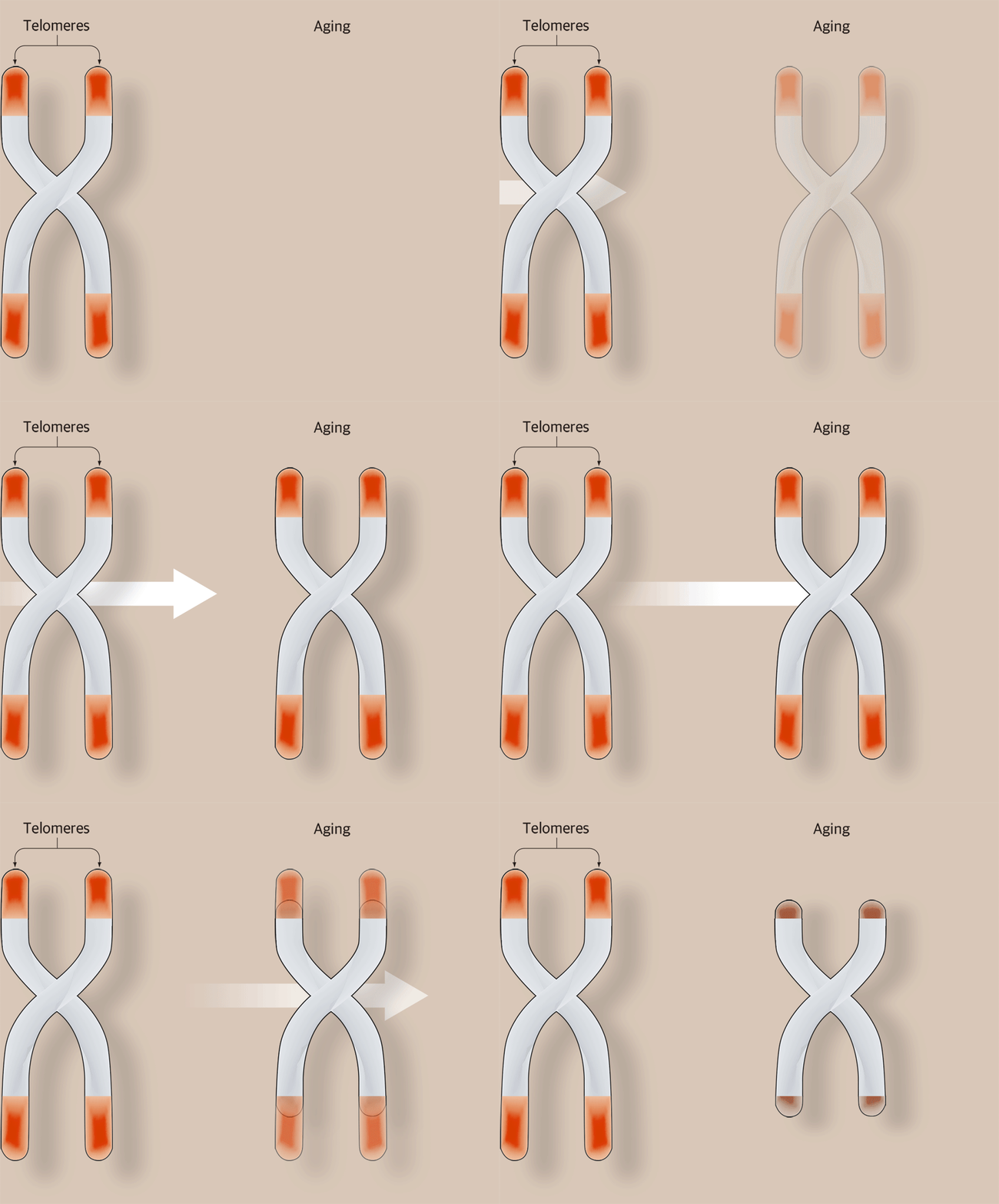

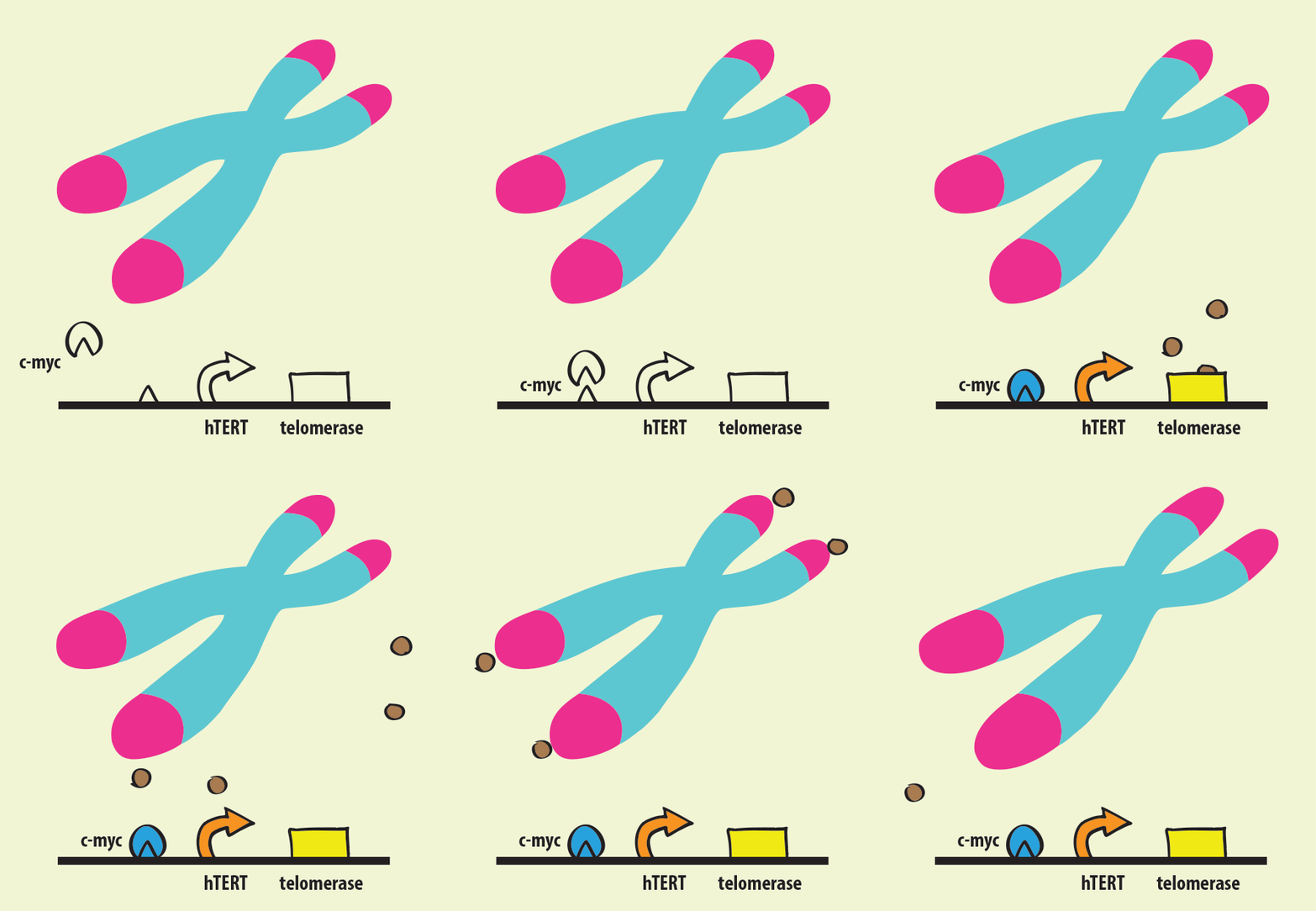
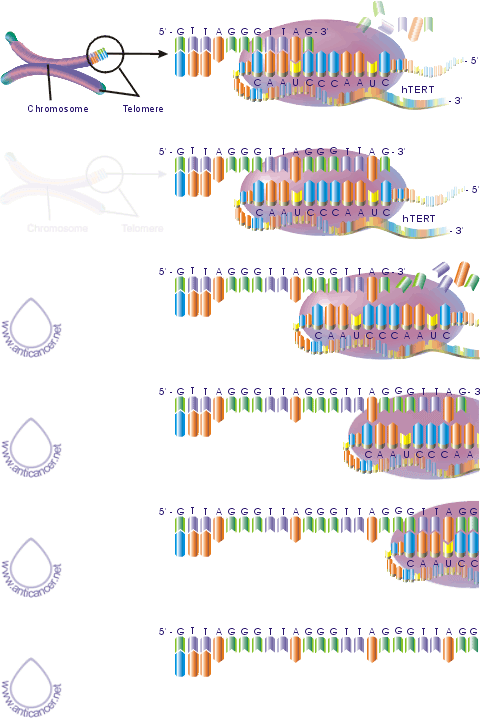
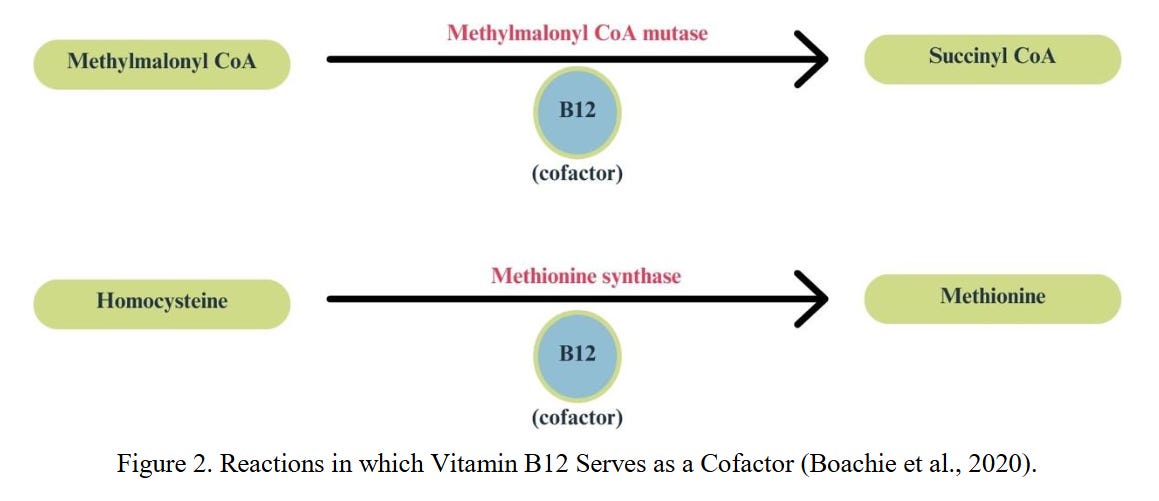
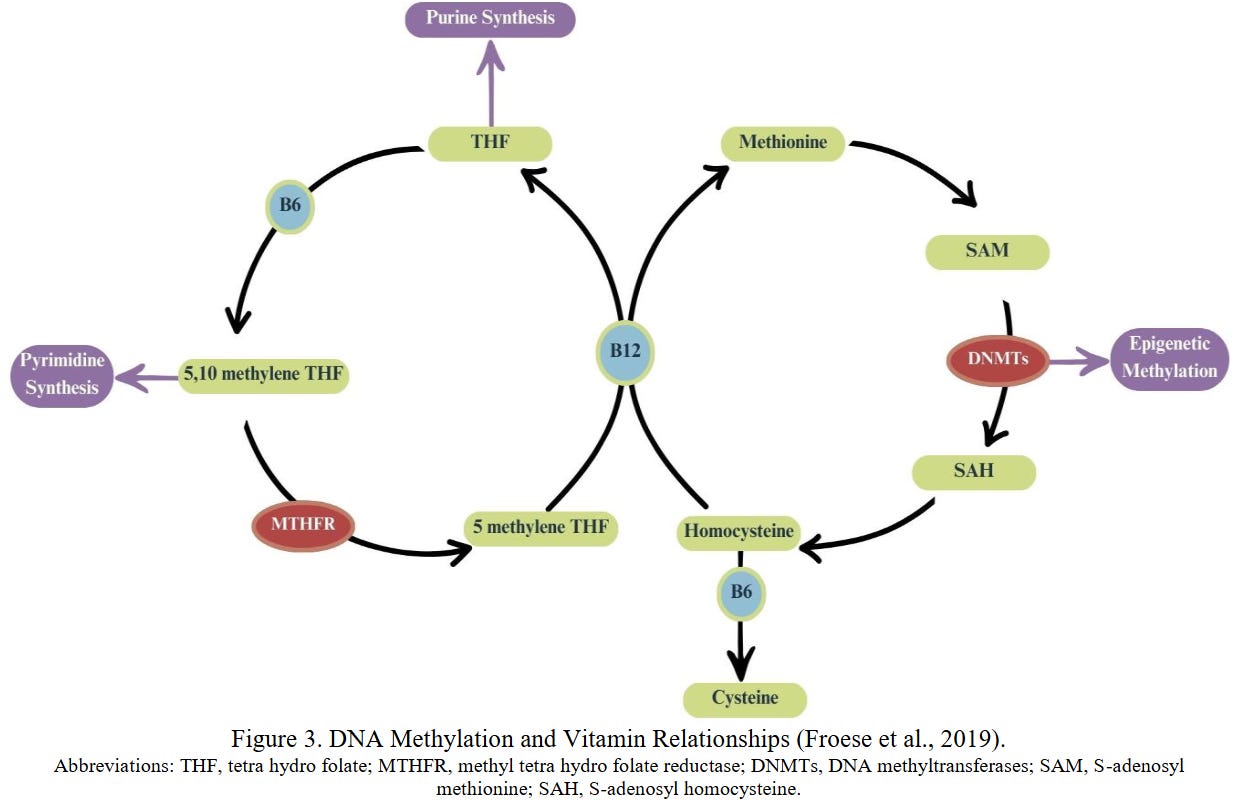
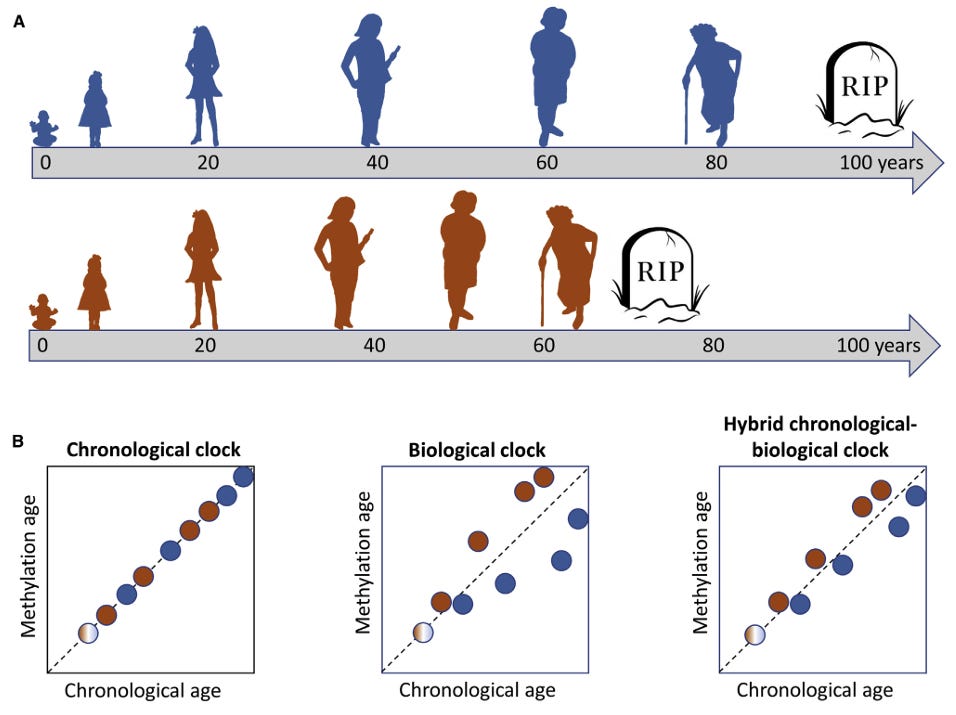


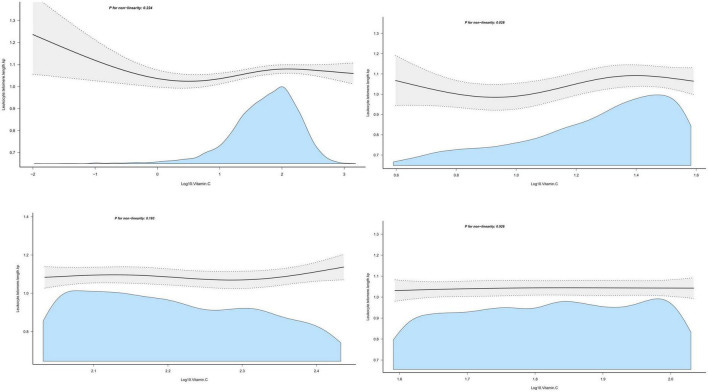
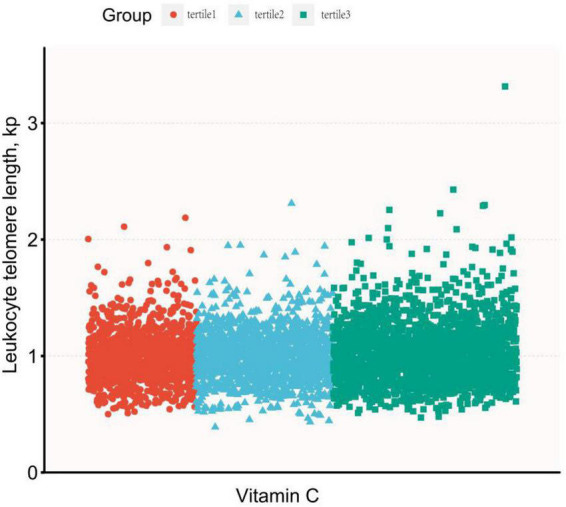
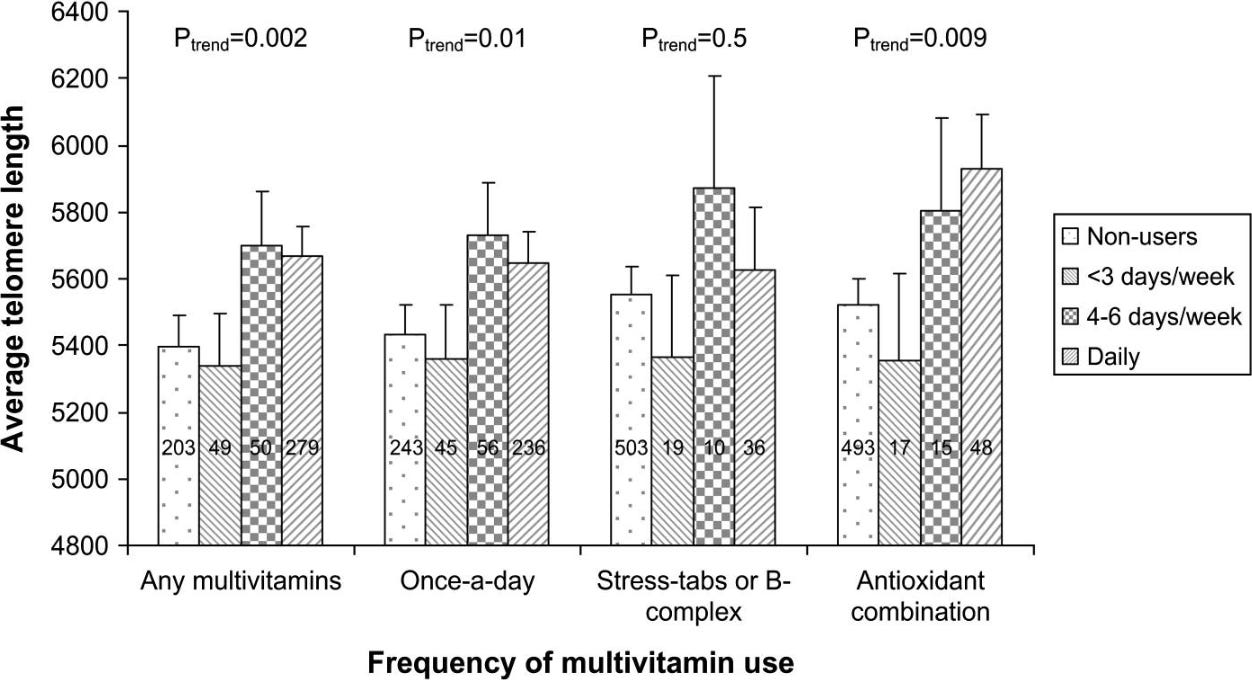
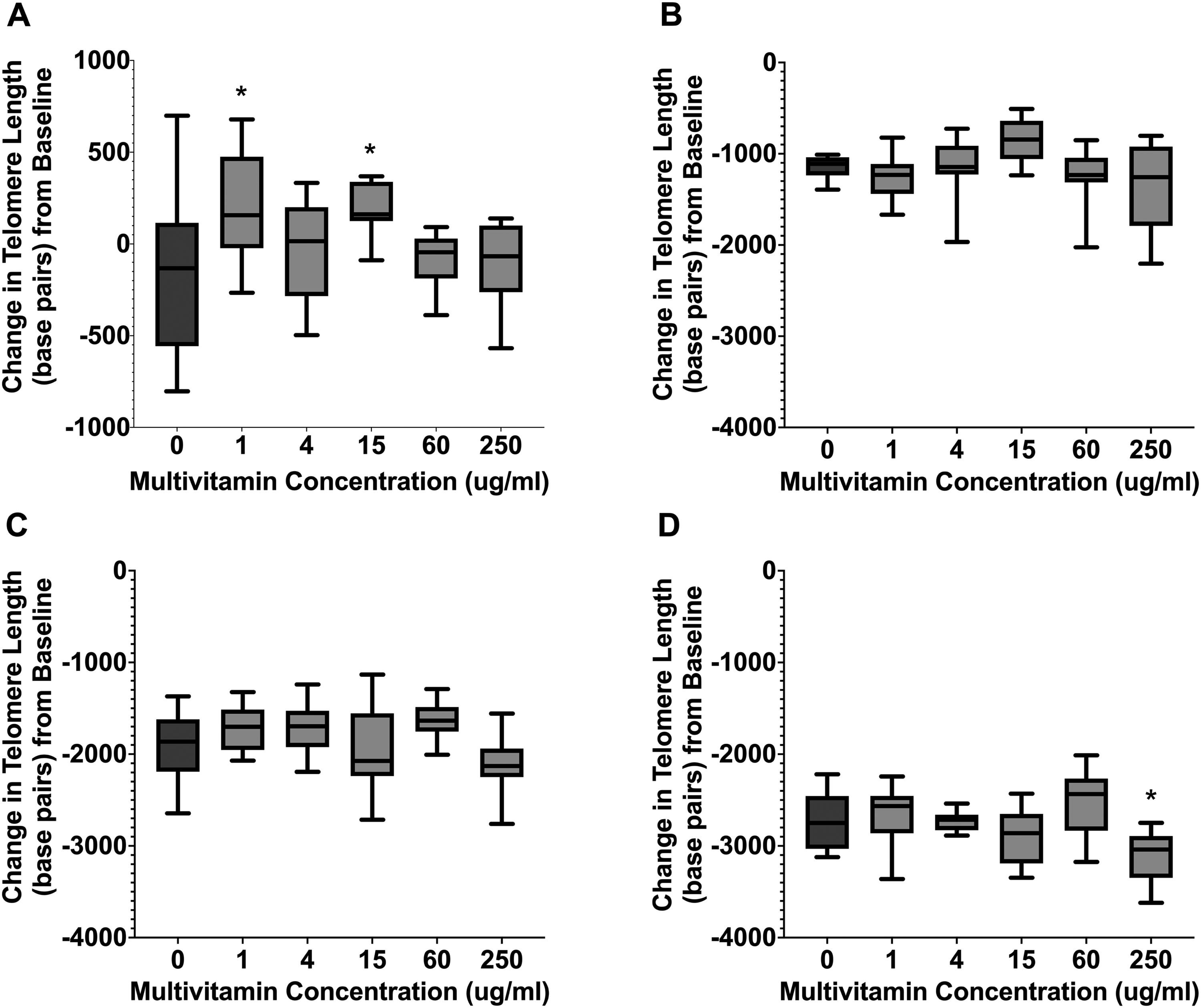
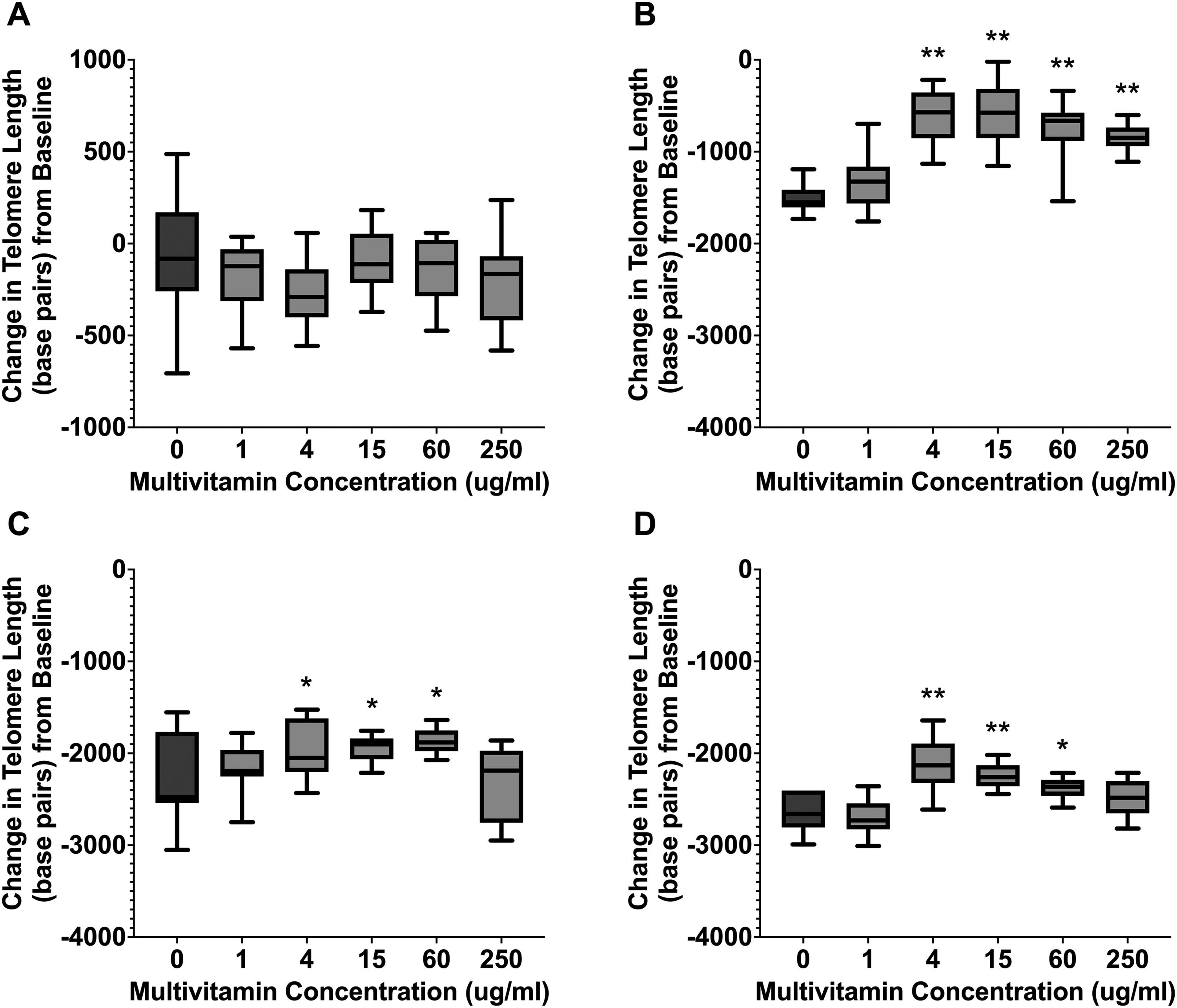


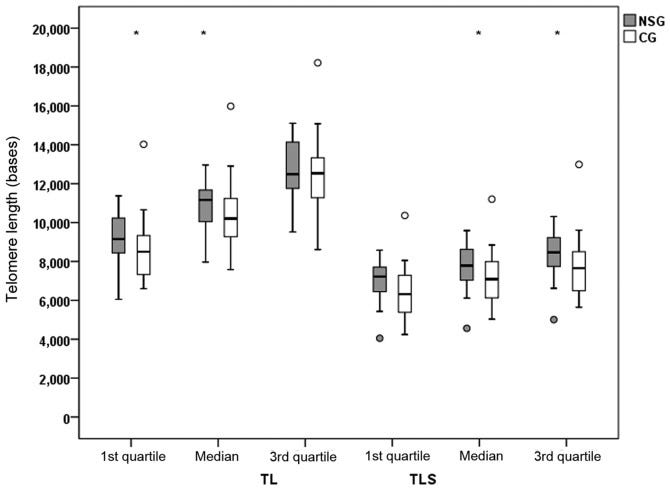
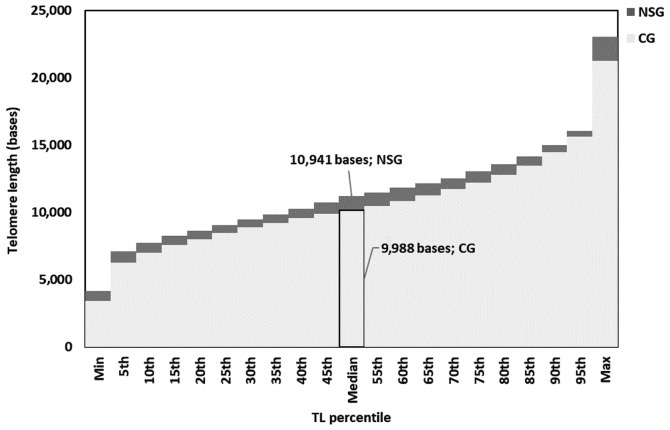
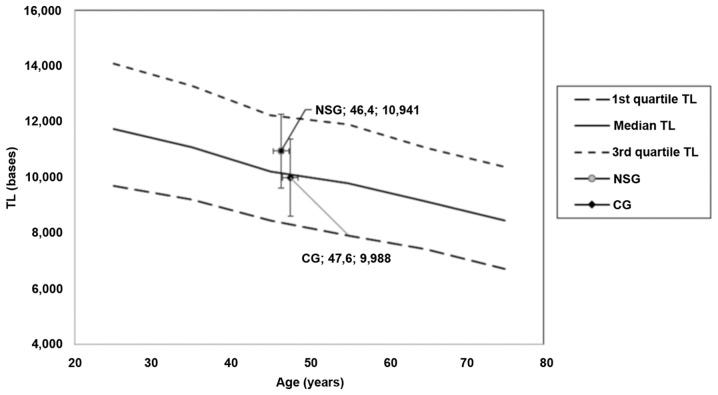
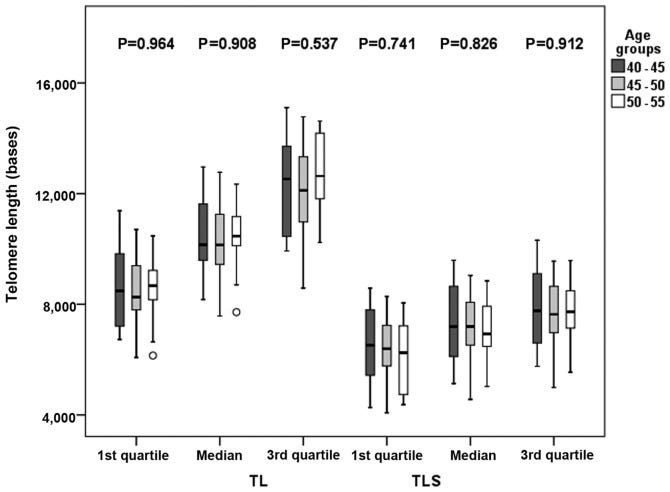




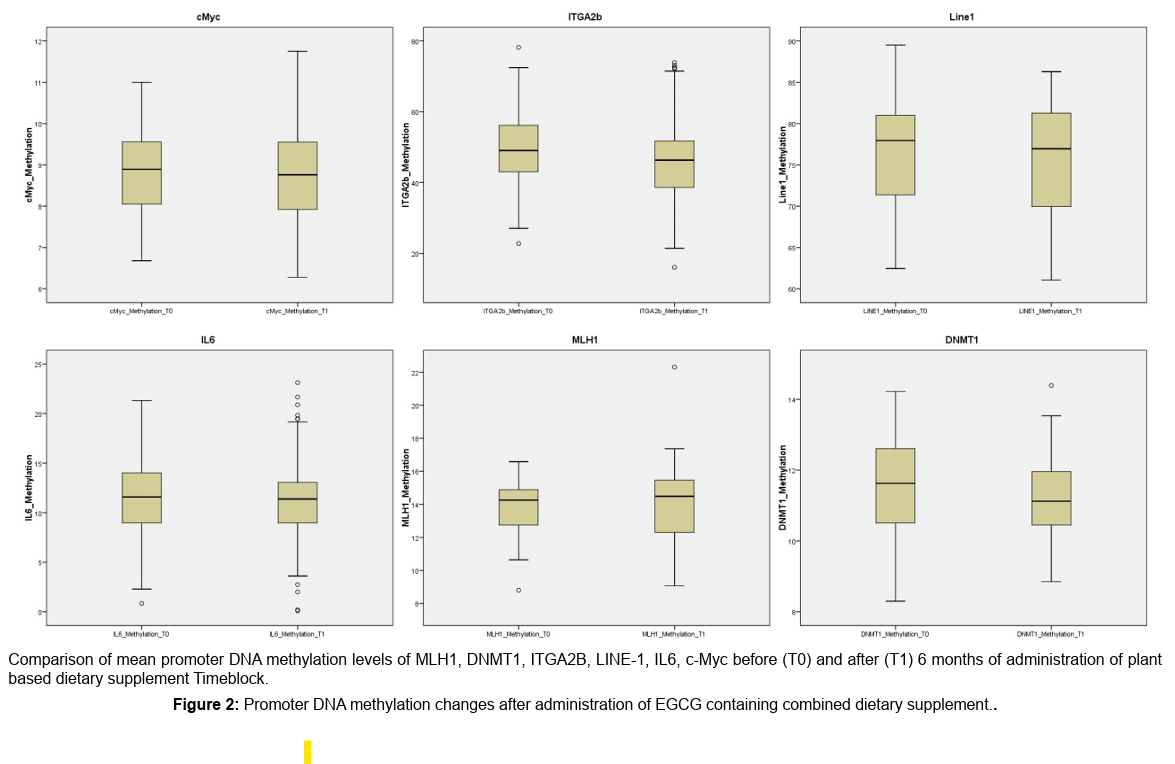
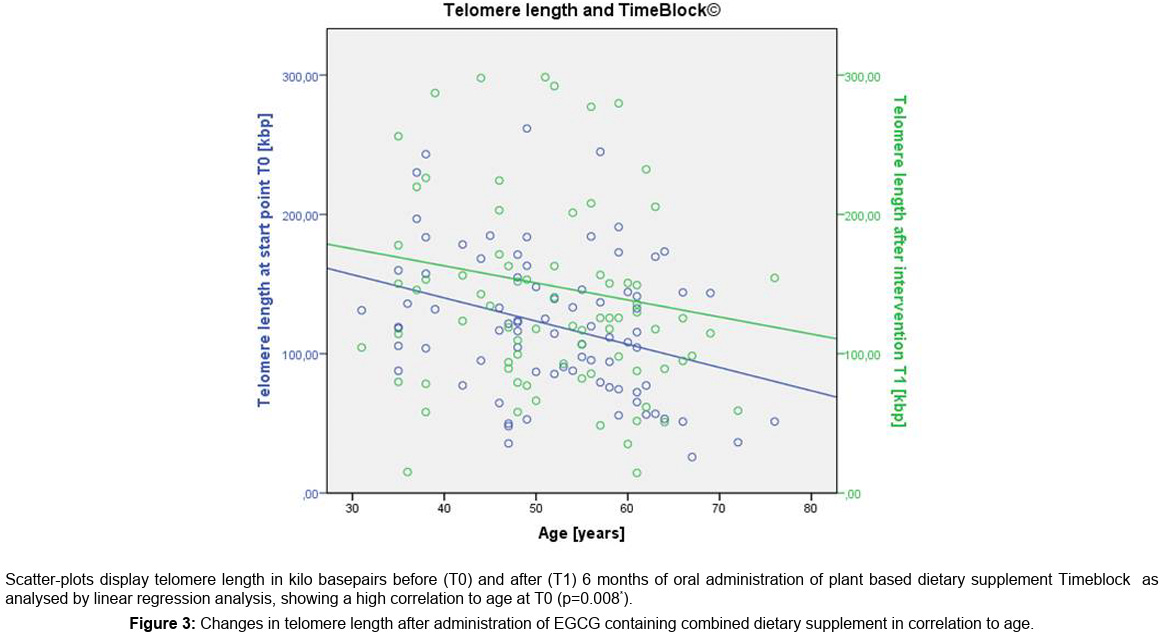
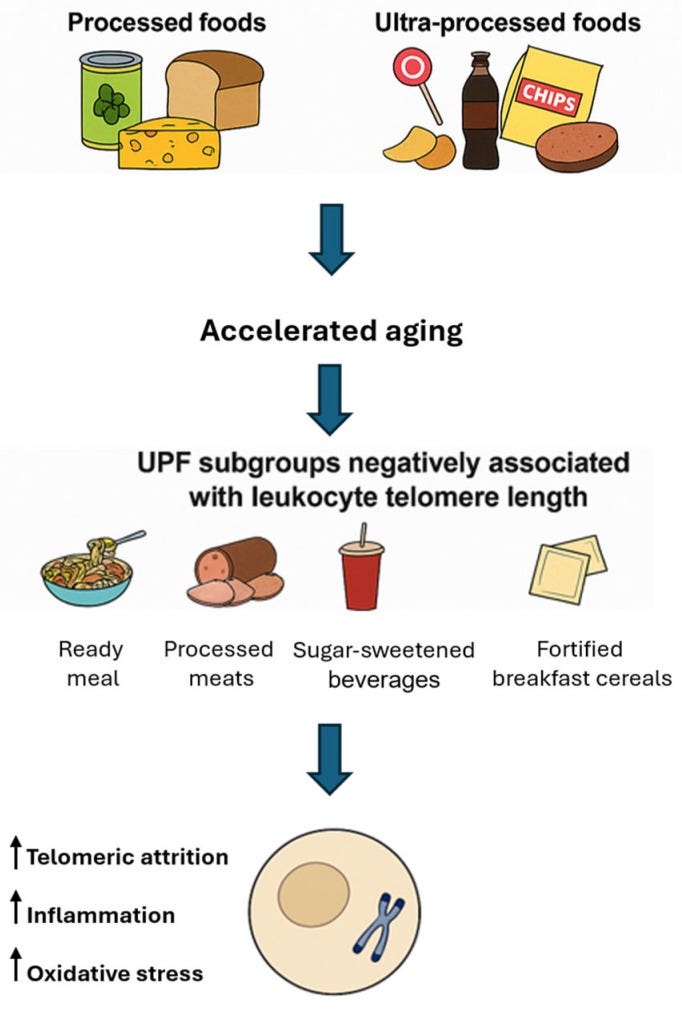
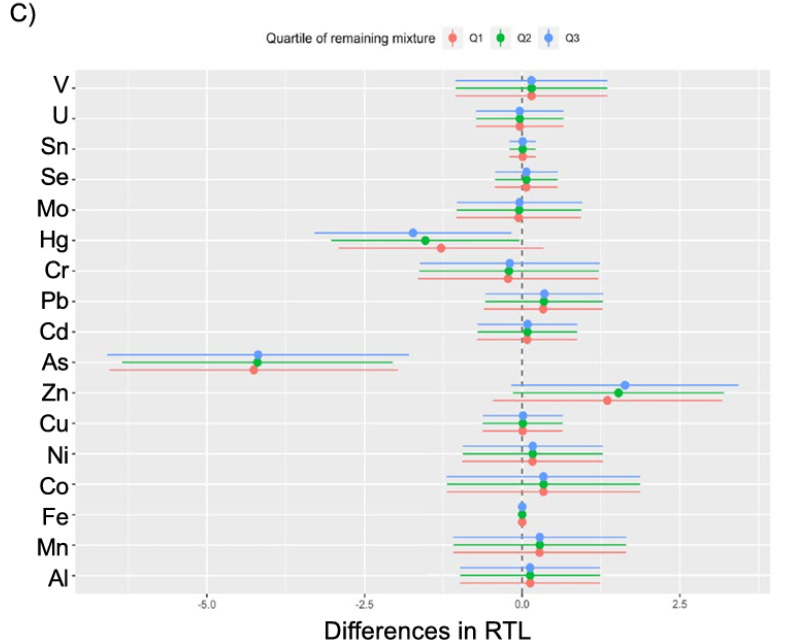


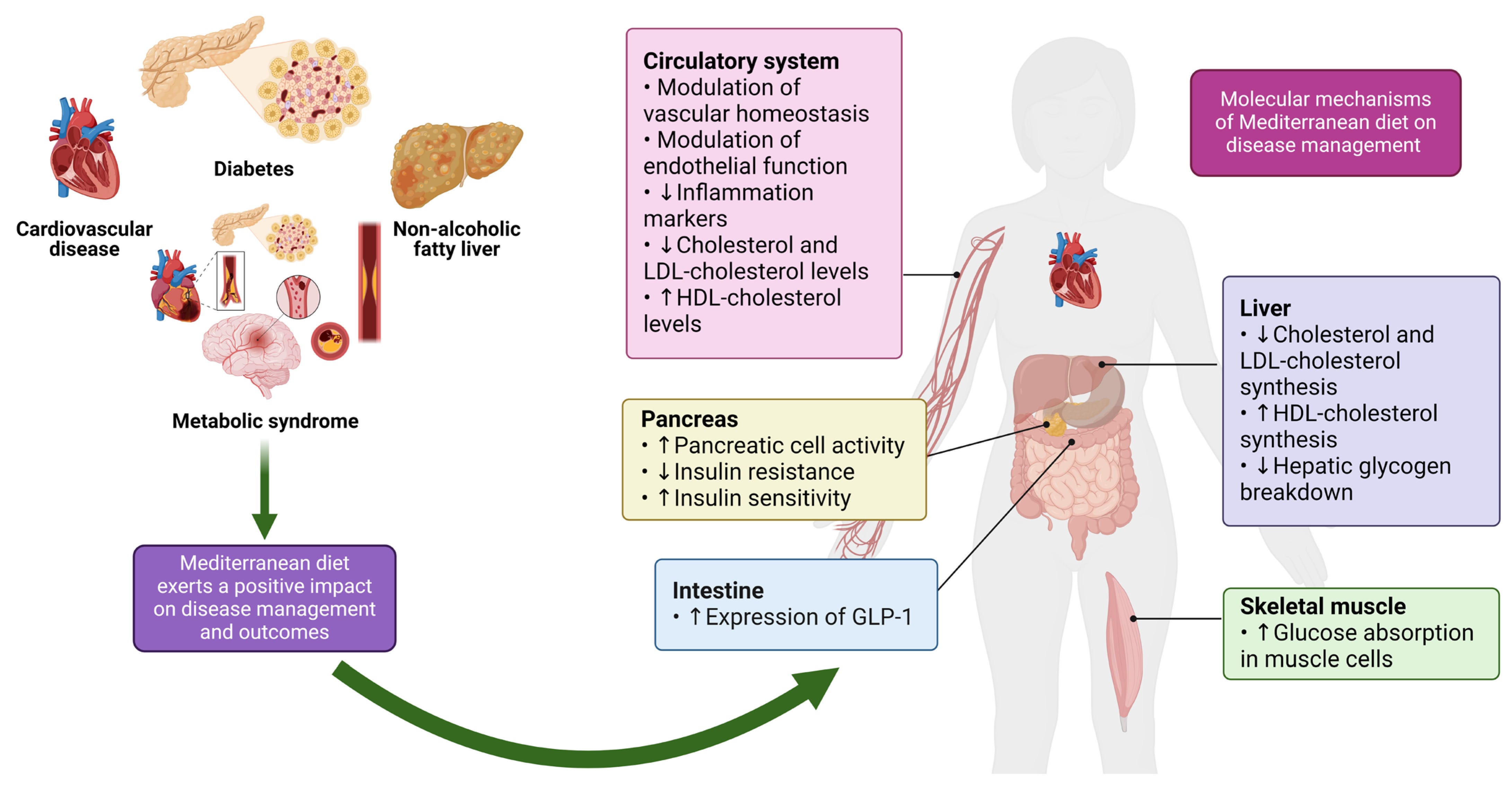
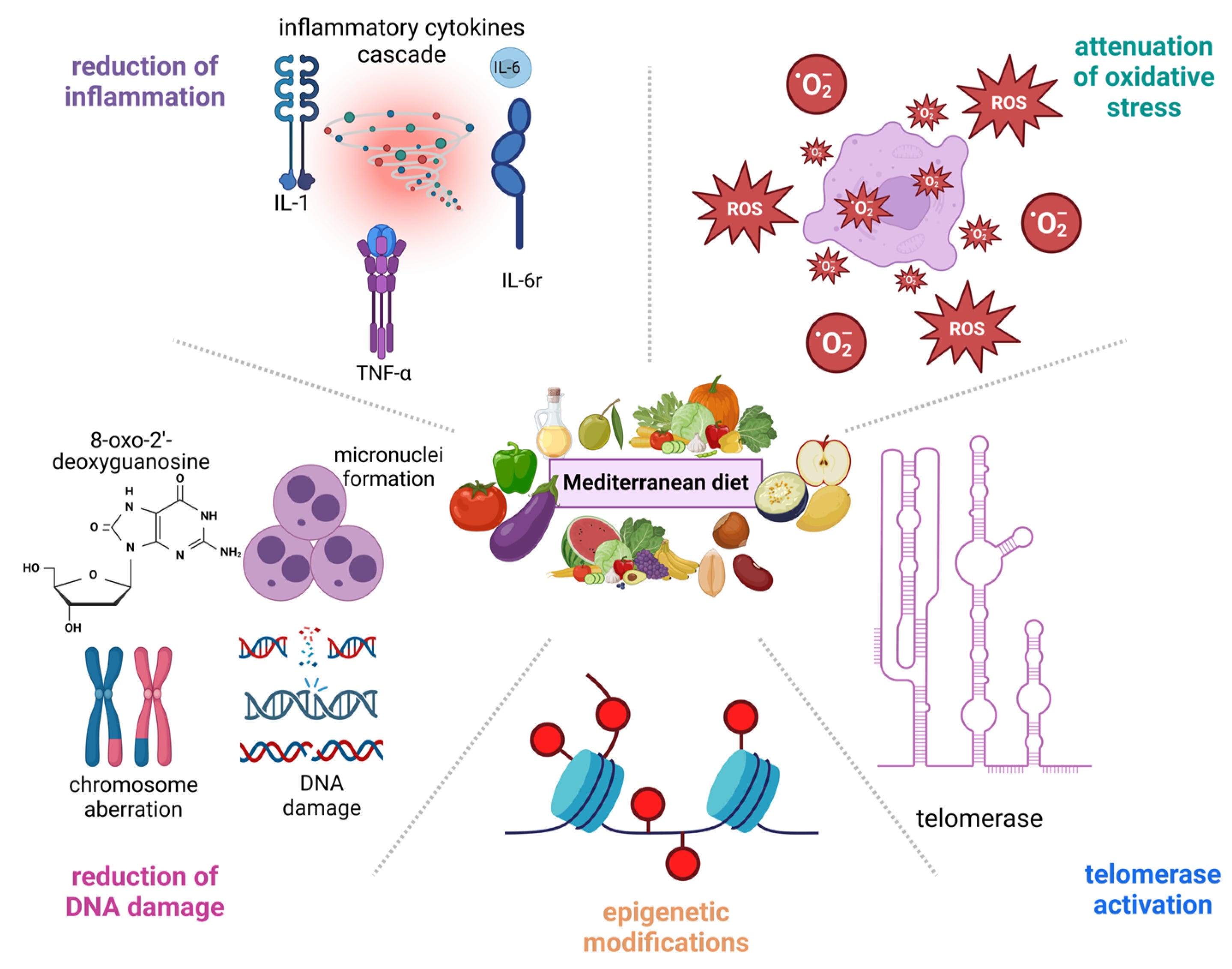
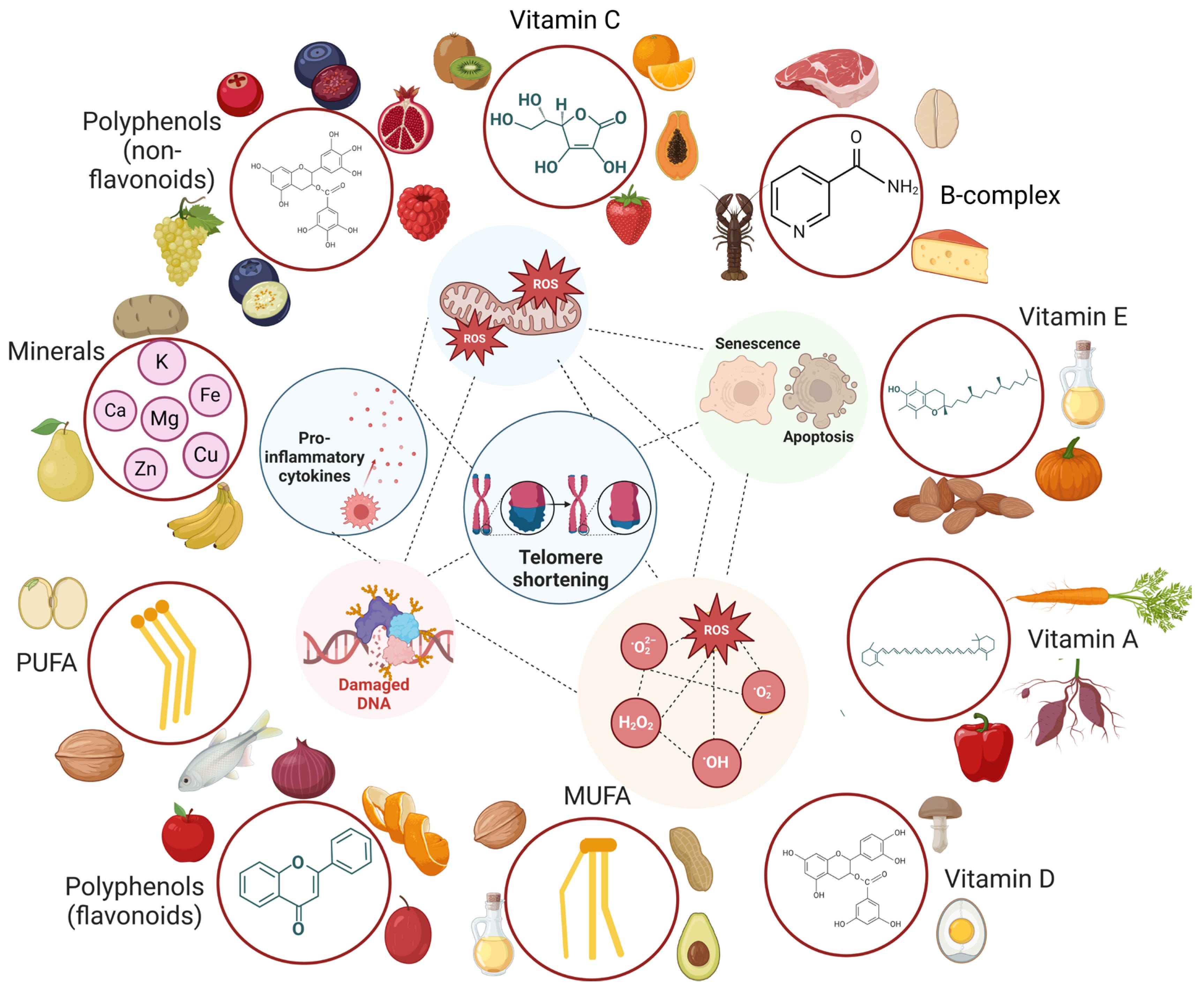

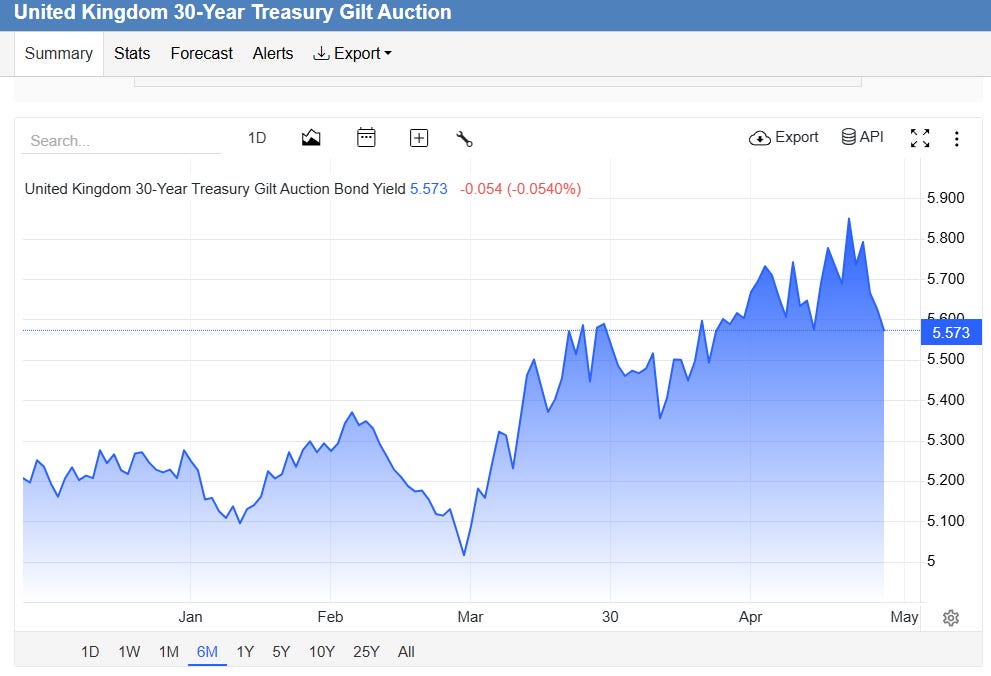

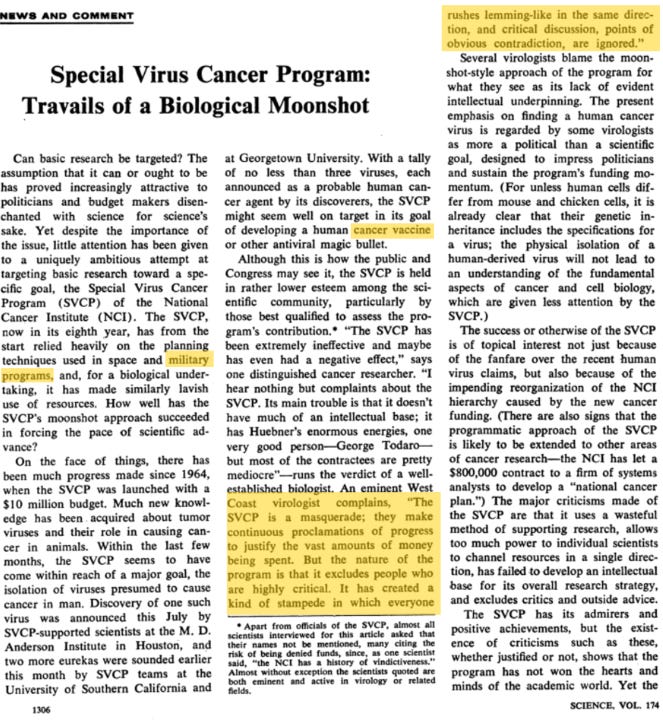



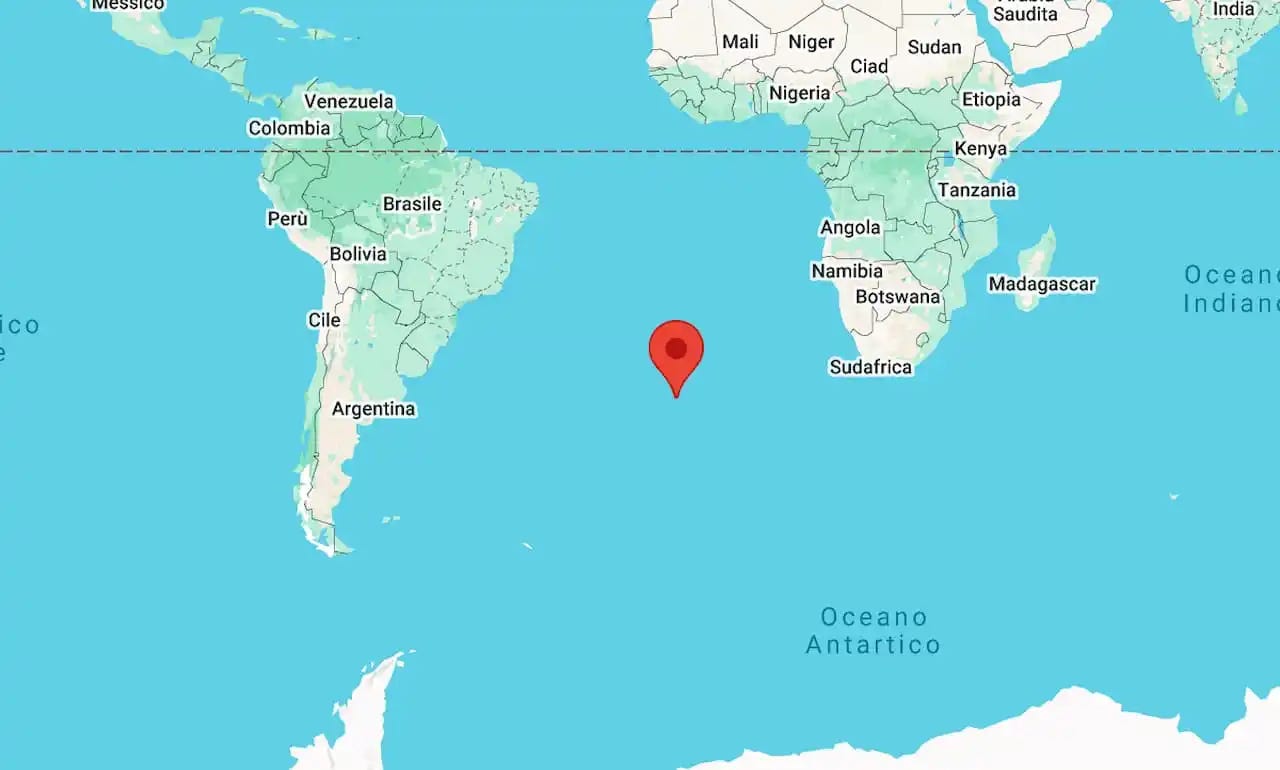








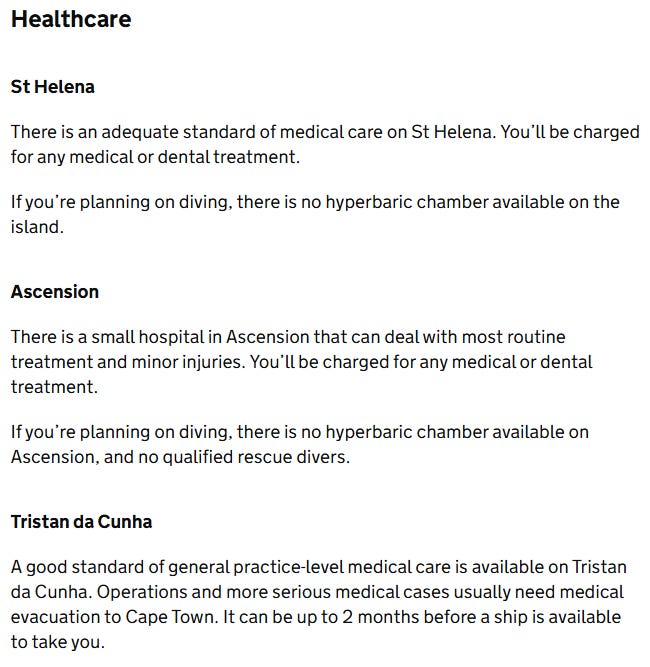





DoorlessCarp🐭
RépondreSupprimer@doorlesscarp
Chercheur indépendant et co-auteur de BioMed : https://www.researchgate.net/profile/David-Cowley-10 SCIENCE IMMUNOLOGIE MÉDECINE
"Mes études à l’Université du Hertfordshire comprenaient la pathologie végétale, la biochimie et la génétique. Je suis ensuite passé à l’étude de la biochimie et de la physiopathologie animales. Les thérapies végétales relient ces deux spécialités. En plus de co-écrire, j’écris une revue de la littérature BioMed et discute de divers sujets : oncologie, neurologie, MCV, immunologie, BioChem et thérapeutique : https://doorlesscarp953.substack.com/
Compétences et expertise
Interféron
Vaccins
Immunochimie
Immunologie virale
Oncologie "
https://substack.com/@doorlesscarp